

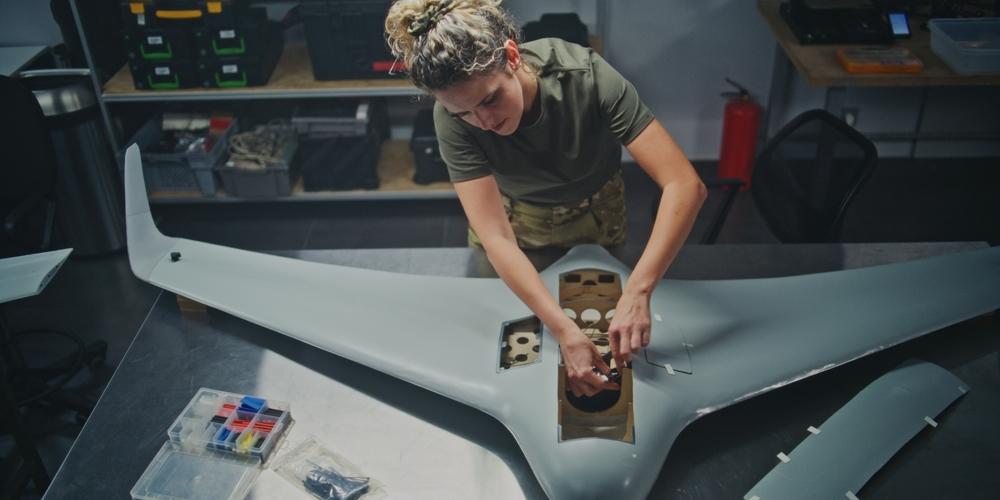


War drones, data centres, AI, cybersecurity, privacy, medical technology... These are all developments in which engineers play a key role and which have a tremendous impact on our daily lives. What about the ethics of those engineers? On 10 December, BrEA is organising the symposium Ethics and the Moral Duty of the Engineering Profession. The keynote speaker is moral philosopher Katleen Gabriels. She studies how morality and technology influence one another. She earned her doctorate in computer ethics at VUB and now teaches and researches ethics of technology at Maastricht University, where she is also Head of the Department of Philosophy. “The question is not whether engineers should innovate, but how they can do so responsibly.”
Can an engineer refuse to work on lethal AI weapons systems or energy-hungry data centres?
“That is possible, but such choices are naturally complex. A well-known example is Project Maven. In 2018, Google employees collectively protested against the company’s collaboration with the US military on artificial intelligence. A number of employees ultimately resigned. The case is described in detail in the book The Turing Way.
We are seeing similar discussions today. Google DeepMind’s collaboration with the defence sector is once again causing moral unease among some employees. One of them said: ‘Realising my company is pushing more and more for AI systems in military operations makes me feel ashamed to work at Google.’ Such examples show that this is not an abstract ethical debate. Engineers and developers are confronted with these issues very directly in their day-to-day work.”
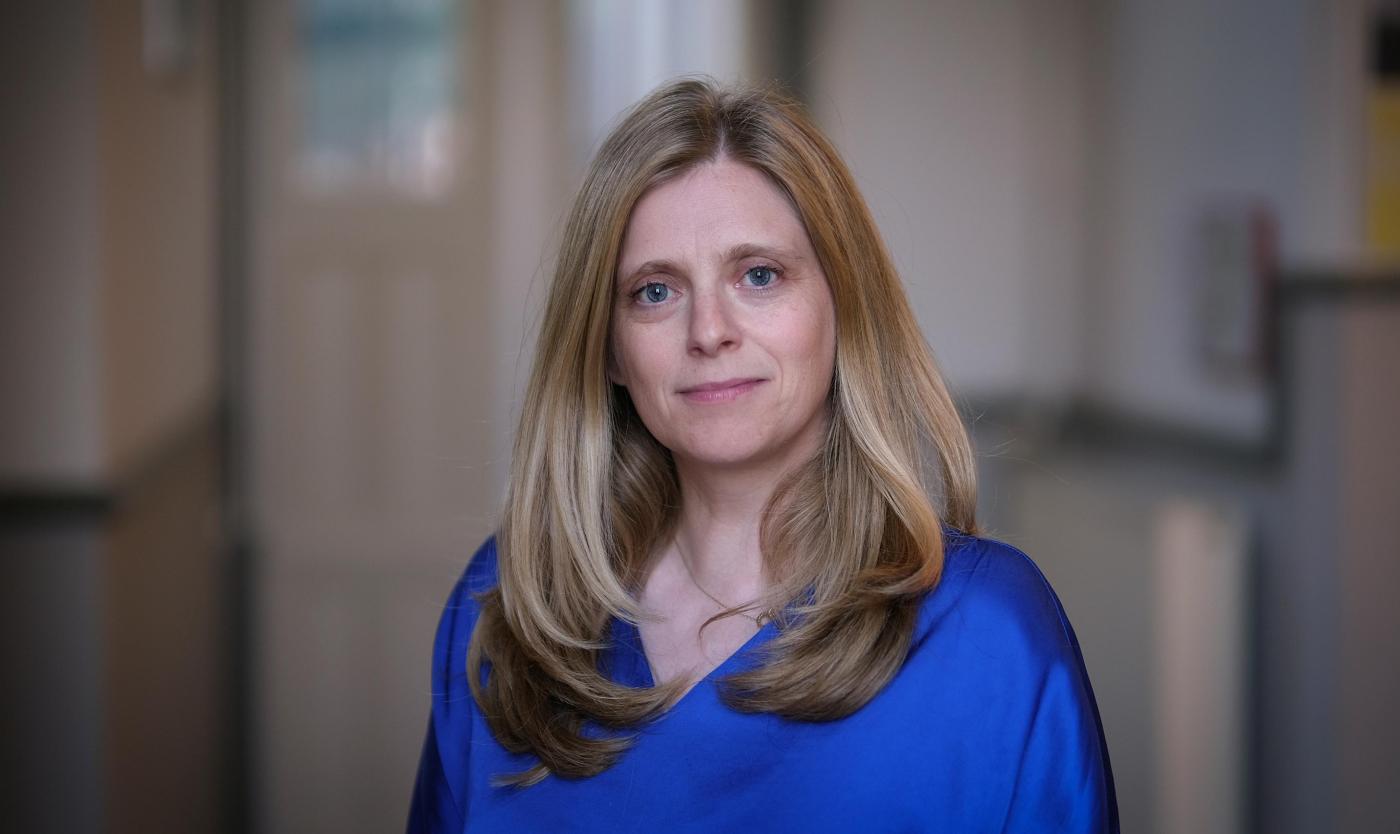
Katleen Gabriels
When does an engineer become morally responsible for what he or she creates?
“Technology design and morality are closely intertwined. An engineer is constantly making decisions that can have an ethical impact. Moreover, technology is not developed in a vacuum: what engineers design can have a significant influence on society. That is why it is important that they are aware of that moral responsibility.
This debate is not new, by the way. After the Second World War, the American mathematician Norbert Wiener wrote open letters about the responsibility of scientists. In his view, the development of the atomic bomb had made it clear that scientists ultimately bear responsibility for how their knowledge is used.”
"Some technology developers advocate a kind of Hippocratic Oath for engineers"
The US seems to give technological innovation much more free rein than Europe. Is there a fundamentally different view of technology?
“We need to be careful with that idea, because such a contrast quickly becomes too black and white. The differences between the United States and Europe have much more to do with factors beyond morality or attitudes towards technology. For example, there are major differences in the availability of capital and venture capital, and in the way entrepreneurship is viewed.
The political and legal context is also entirely different. The United States is one country with largely one language, whereas the European Union consists of different Member States, with different languages and partly different national legislation. Added to that are cultural differences. The comparison is therefore far more complex than simply saying that Americans see technology as neutral and Europeans do not.”
But do engineers not also have a moral duty to innovate and thereby enable economic and societal progress?
“Absolutely. Innovation and progress are important, provided that no harm is caused in the process. Interestingly, some technology developers who later came to regret certain design choices advocate a kind of Hippocratic Oath for engineers. As with doctors, the guiding principle should be: first, do no harm.
One of them is Tony Fadell, who led the team at Apple that developed the iPod and was involved in the development of the iPhone. He later expressed regret about some design decisions. He believes that technology developers need to think much earlier about questions such as: what is the purpose of what we are creating, and what consequences will it have for society?”
Symposium Programme
The symposium will take place on 10 December 2026, from 7:00 PM to 10:00 PM, in Building I on the VUB Main Campus, Pleinlaan 2, 1050 Ixelles, Belgium.
The following keynote speakers have been announced:
- Dr Katleen Gabriels (Associate Professor of Philosophy and Ethics of Technology, Head of the Department of Philosophy, Faculty of Arts and Social Sciences, Maastricht University)
- Louis de Diesbach (ULB)
- ir. Ken Watzeels (Commercial Director, Victor Buyck Steel Construction)
- ir. Serge Everdepoel (Director Corporate Health & Safety, Johnson Controls)