



Immunotherapy has transformed the treatment of cancer in recent years. However, it does not work equally well for every patient. Researchers at the Vrije Universiteit Brussel explain that a relatively overlooked biological process may play a significant role: the ageing of immune cells, also known as T-cell senescence. Their review article was published on 3 September in the leading scientific journal Signal Transduction and Targeted Therapy.
The study analyses decades of research on two forms of T-cell dysfunction: T-cell exhaustion and T-cell senescence. T cells are crucial soldiers of the immune system, responsible for recognising and destroying abnormal or malignant cells. When they are subjected to prolonged pressure, for example as a result of cancer, they can gradually lose their effectiveness.
According to the researchers, T-cell exhaustion currently receives considerable attention in the development of new immunotherapies. T-cell senescence, by contrast, remains relatively underexplored, despite growing evidence suggesting that it may also significantly limit the success of treatments. Senescent T cells divide less efficiently, respond less effectively to tumours and may therefore reduce the effectiveness of advanced therapies.
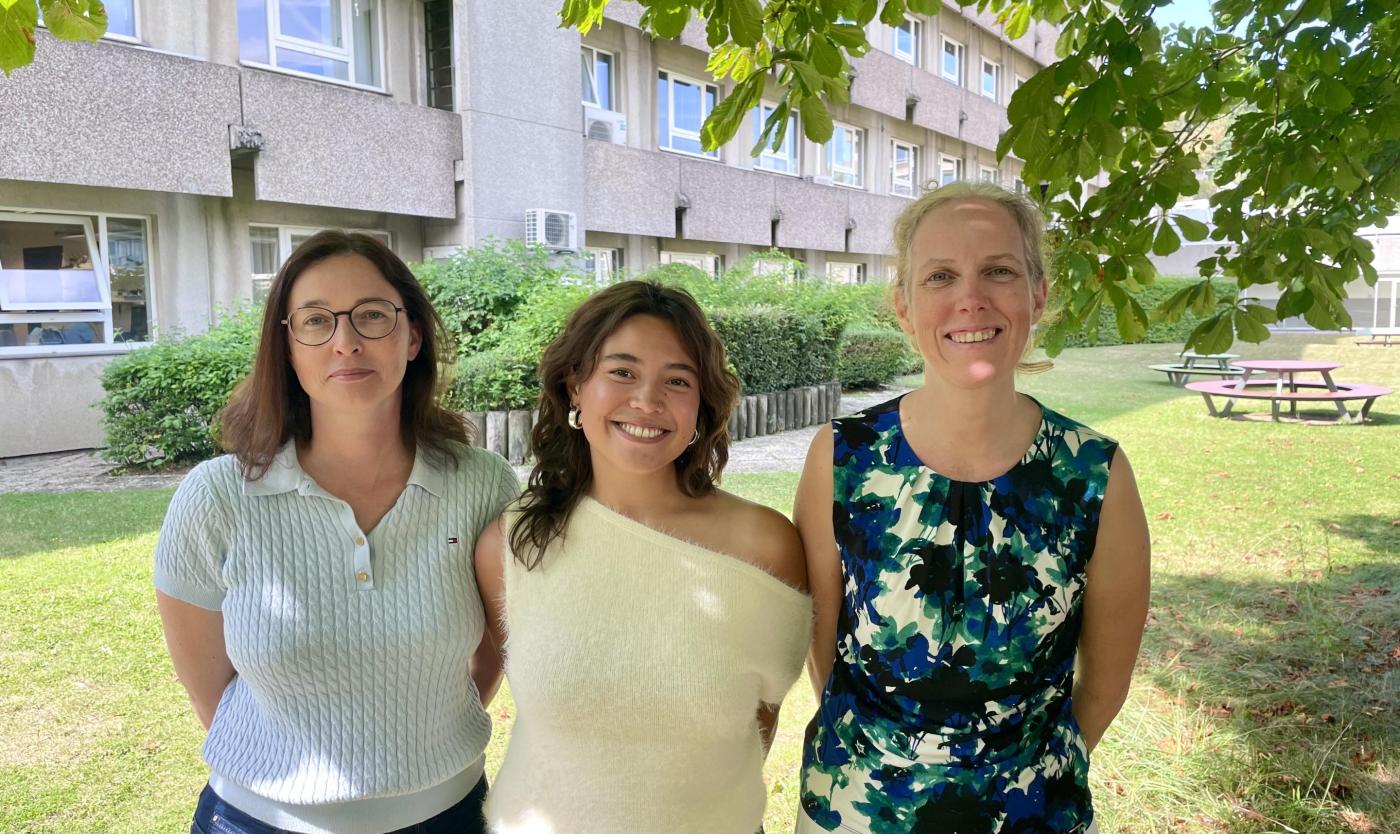
From left to right: Elke De Bruyne, Lauren Van Den Broucke en Eline Menu
This is particularly relevant for treatments such as CAR T-cell therapy and other personalised immunotherapies, where the quality of the immune cells used directly determines how well a treatment works. The authors therefore call for greater research efforts into strategies that can prevent, reverse or circumvent T-cell senescence.
The publication was led by researchers from the Translational Oncology Research Centre (TORC) of VUB and UZ Brussel. The review was written by PhD researcher Lauren Van den Broecke under the supervision of Professor Eline Menu and Professor Elke De Bruyne. Co-authors are Arne Van Der Vreken, Fenja Watté, Fien Meeus, Kim De Veirman and Karine Breckpot.
Lauren Van den Broecke:"Much research today focuses on T-cell exhaustion. We bring together the available evidence showing that T-cell senescence may also represent an important therapeutic target for making future immunotherapies more effective."
Literature
Publication: https://www.nature.com/articles/s41392-026-02923-x
DOI: 10.1038/s41392-026-02923-x
What is TORC?
TORC is the Translational Oncology Research Centre at VUB. The research group brings together fundamental and clinical cancer research. Scientists and physicians work on new ways to detect cancer earlier, treat it more effectively and improve patients' quality of life. An important research line focuses on immunotherapy, in which the body's own immune system is used to fight cancer. TORC investigates, among other things, CAR-T cell therapies, mRNA-based immunotherapies and new strategies to overcome resistance to treatments.
TORC
How important is this journal?
The study is published in Signal Transduction and Targeted Therapy, an international peer-reviewed open-access journal from Nature Portfolio. The journal has an impact factor of 81.2, which is an exceptionally high score within the biomedical sciences. It ranks among the world's leading journals in fields such as cancer research, molecular medicine and translational therapies.