

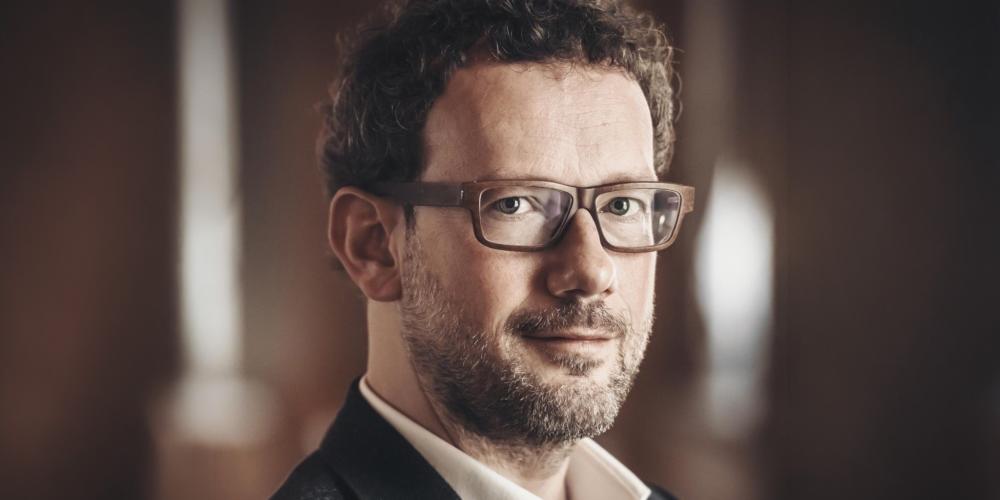


Political scientist Dave Sinardet reflects in his fortnightly column for De Morgen on the case of the thirteen students from Gaza. Having been awarded scholarships to study at Belgian universities, they have so far not been evacuated.
From across the Mediterranean, an aircraft glides into the dusk, towards a runway already illuminated in the darkness. Behind the windows sit Palestinian students carrying baggage that cannot be measured in kilograms. The day before, they were still trapped in Gaza. Then through Kerem Shalom, across the Jordanian border, a night in Amman. On their way to lecture theatres and libraries. From rubble to desks.
In the protocol lounge at the airport, an unusual reception committee awaits them. The Deputy Prime Minister and Minister of Foreign Affairs says he is moved by their smiles “after the tragedy of war, the deaths and the bombardments”. At his side, the Minister for Scientific Research Policy declares that he wants to bring as many students here as possible, “so that they can deepen their knowledge and, later, once again find a place in a rebuilt Gaza”.
You have probably guessed by now: this heart-warming scene is not unfolding at Brussels Airport. Thirteen Palestinian students selected by our universities are, for the time being, not allowed to enter Belgium. Foreign Minister Maxime Prévot has not even managed to secure approval for them in the Council of Ministers. The scene I have described seems so improbable that it could only have sprung from the feverish imagination of a left-wing idealist overdosing on world-improvement. Yet it happened exactly like this a few months ago.
Which progressive utopia organised it, you may wonder? Pedro Sánchez’s Spain? A Scandinavian paradise where border guards wear rainbow badges? Wrong. It was Rome. Yes, in Giorgia Meloni’s Italy. The radical right-wing Prime Minister who has made tough borders her trademark, advocates a strict migration policy and is hardly known for waving Palestinian flags.
Yet it was precisely her government that did not wait for Palestinian students to reach Italy under their own steam. It actively brought them out of Gaza. Italy arranged visas and flights, mobilised diplomats and negotiated passage routes. Ministers even travelled to Amman. A complex process, according to Deputy Prime Minister Antonio Tajani, but by now 229 Palestinian students from Gaza have been evacuated in this way. In Parliament, Meloni even highlighted that Italy was the first country to establish such “university corridors”.
“Barring thirteen students quickly looks tough when actually controlling illegal migration proves far more difficult.”
If radical right-wing Italy wants to make political capital out of this, what does it say about our supposedly moderate government that it cannot even agree on thirteen visas? Perhaps Bart De Wever could have asked his grande amica Meloni about it, as he called her during his state visit to Rome last week. For instance, about how to combat illegal migration while simultaneously managing legal migration.
Because migration can hardly be more controlled than in the case of these students: selected by universities, vetted by the authorities, with a known identity, destination and reason for residence. Moreover, the knowledge they acquire is intended to help rebuild Gaza in the future, which could itself reduce migration pressures.
But it is precisely here that our own would-be Meloni, Migration Minister Anneleen Van Bossuyt, lowers the barrier. Where her Italian role model sees future builders of Palestine, she already hears the domino effect of a new migration flow.
The decisive difference between them and other foreign students is difficult to ignore: they come from Gaza. We rarely hear warnings of falling dominoes when it comes to the many other international students who arrive at our universities every year. Here, a desire to signal pro-Israeli credentials neatly aligns with a desire to signal toughness on migration.
It is especially the latter signal that Van Bossuyt can make use of: barring thirteen students quickly looks tough when actually controlling illegal migration proves far more difficult. Only yesterday, the MR mayor of Schaerbeek complained that barely 8 per cent of undocumented individuals apprehended there had been detained with a view to repatriation. Earlier, Prosecutor Julien Moinil reported that across Brussels, of 7,000 people apprehended, 90 per cent were released again, in a region struggling under the weight of drug-related violence.
And so Belgium ends up with a migration policy turned inside out: flexing its muscles at the legal front door, powerless at the illegal back door. Even voices on the right have long acknowledged that credible legal pathways can actually help curb illegal migration. Blocking the safe route merely pushes people further towards irregular ones.
Next week, our lecture halls will once again fill with footsteps and voices. At my university, one seat will remain empty. Elsewhere in the country, twelve more. Thirteen students survived the bombs of Gaza only to become victims of political grandstanding in Belgium.