

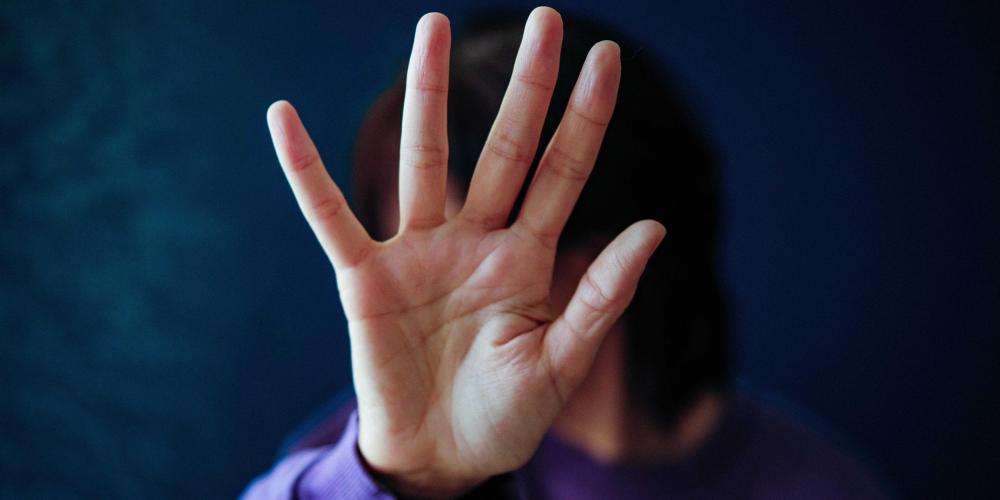


One in three Belgian women who have ever had a partner has experienced psychological, physical or sexual intimate partner violence. Through the Zonta Says NO campaign, Zonta Club Brussels Sablon, together with UN Women Brussels, aims to make violence against women and girls visible and open for discussion. This year, the focus is on the role of men as allies. A conversation with Sofie Temmerman, President of Zonta Club Brussels Sablon, and Farida Lamkanfi, VUB Honorary Fellow and alumna, as well as a volunteer with Zonta. “Behind every statistic is a woman or a girl. It could be your daughter, your sister, your mother.”
16 Days Against Violence Against Women
From 25 November to 10 December, the international Zonta Says NO campaign takes place during the 16 Days of Activism Against Gender-Based Violence. Brussels and the Flemish periphery around Brussels will be lit up in orange through illuminated buildings, posters and awareness-raising activities. This year’s theme is Make Men Our Allies: men and boys are encouraged to make their voices heard.
Why is a campaign such as Zonta Says NO still needed, even in 2026?
Sofie Temmerman: “European figures show that around one in three women will experience physical, sexual or psychological violence at some point in their lives. These are not figures based on reports made to the police, but the results of a survey in which women themselves were asked about their experiences. What strikes us most is how often violence begins with subtle forms of control: no longer being allowed to do certain things, receiving disparaging comments, being isolated from your surroundings. This can happen so gradually that women themselves do not immediately realise what is happening.”
Farida Lamkanfi: “Behind every statistic is a woman or a girl. It could be your daughter, your sister, your mother. Even one per cent would already be too much. Moreover, we see reports of femicide and violence against women almost every week. The question of whether such a campaign is still necessary should really no longer be asked. It should be self-evident that we all stand up against this.”
“It can also involve psychological manipulation, stalking, coercion, economic control or digital violence”
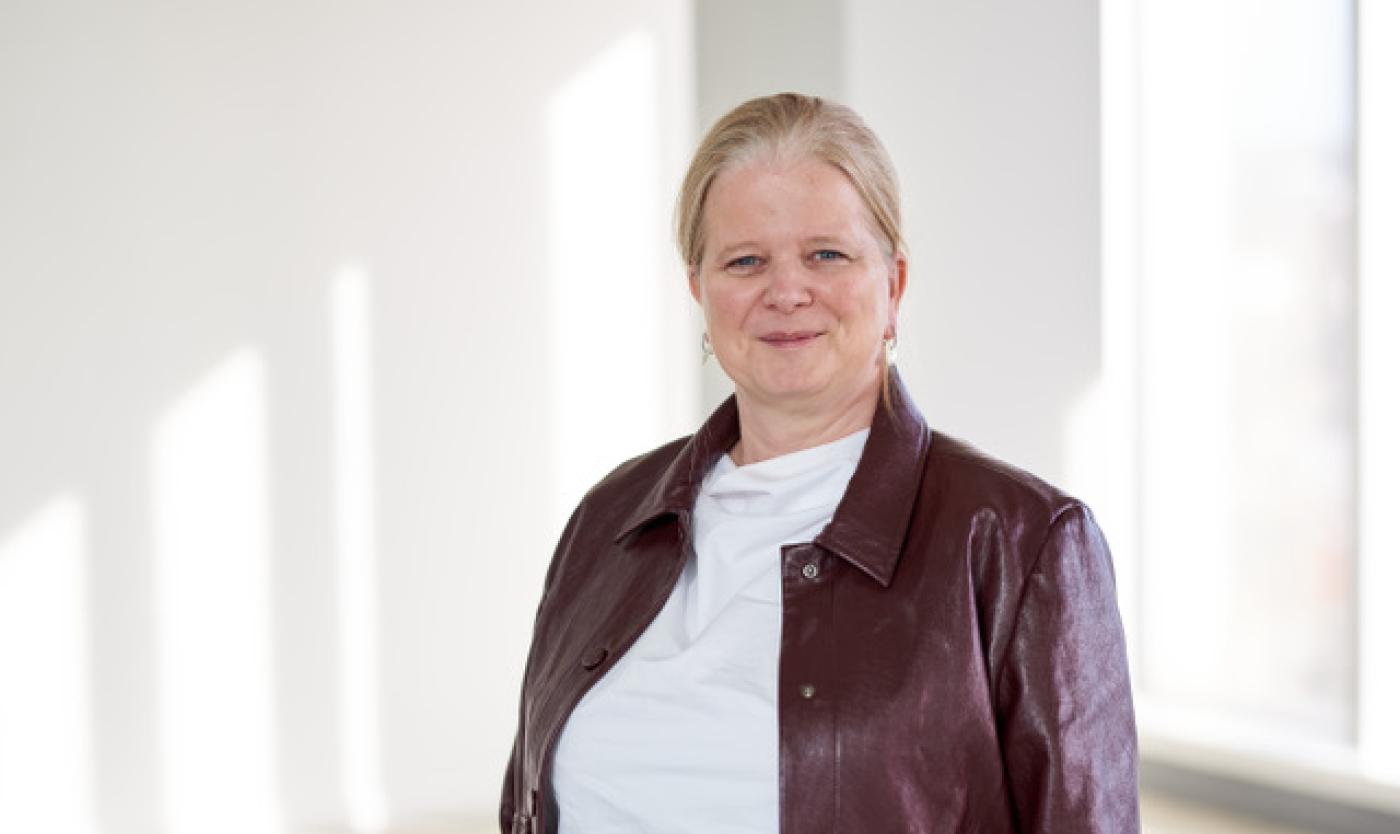
Sofie Temmerman
What exactly do you hope to achieve with Zonta Says NO?Sofie: “Zonta is an international organisation of professional women committed to human rights, and in particular to women’s rights. We do this in different ways. For example, we organise awards and scholarships to encourage young women in leadership and in fields of study where they are less commonly represented. But we also want to influence policymaking. We do not only want to support good causes, but also have a seat at the table and help place societal issues on the agenda. Zonta Says NO is an important example of this, because violence against women and girls is not a women’s issue but a societal issue.”
Farida: “That violence goes far beyond physical or sexual violence. It can also involve psychological manipulation, stalking, coercion, economic control or digital violence. The latter is certainly an important concern among young people. We must never normalise or minimise such forms of violence, whether they occur in the workplace, on a campus or in private life.”
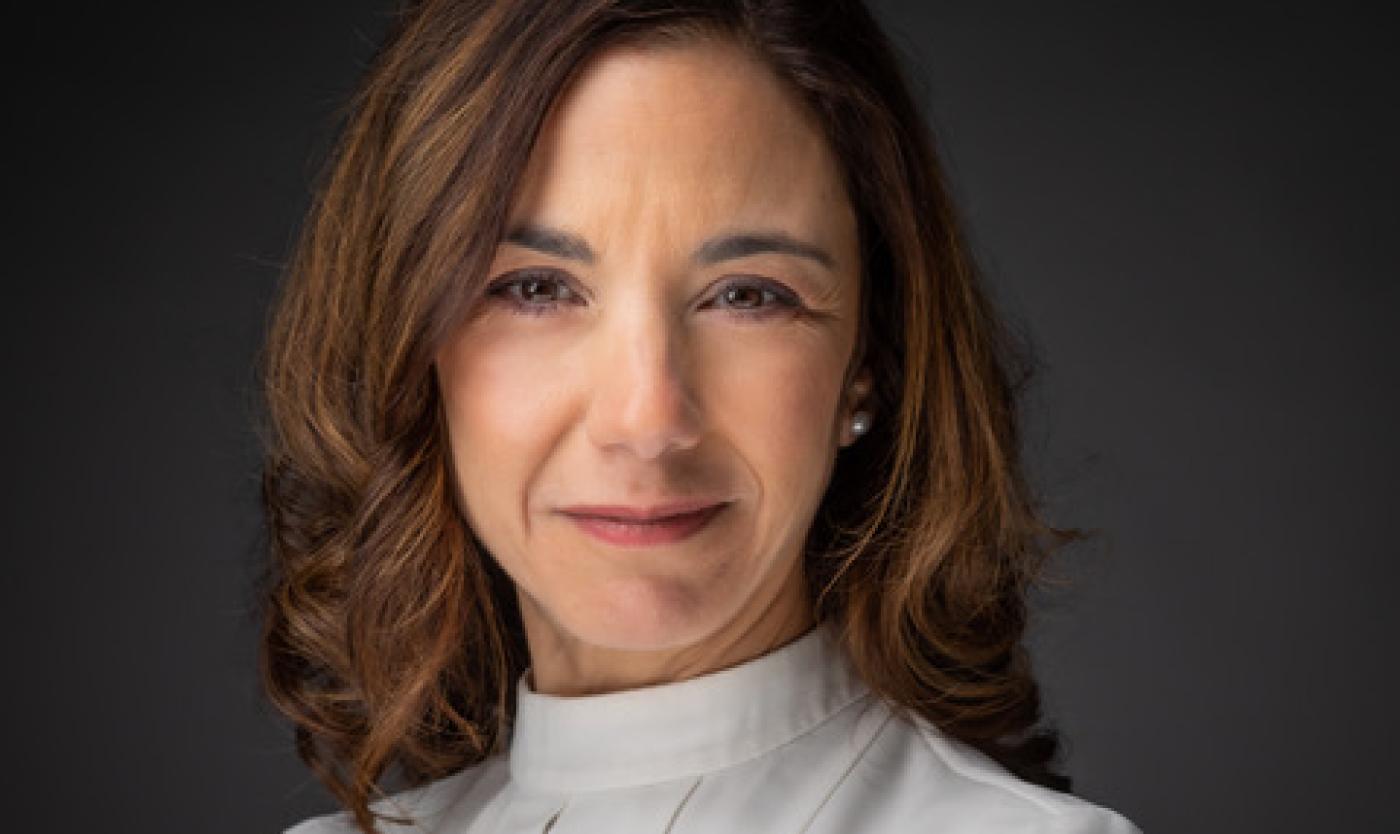
Farida Lamkanfi
What does the campaign look like in practice?
Sofie: “The campaign runs from 25 November, the International Day for the Elimination of Violence against Women, until 10 December, Human Rights Day. These are the sixteen days of action. On 25 November, many buildings and locations will be illuminated in orange. In Brussels, this includes Brussels Central Station, La Monnaie and the Town Hall. Several municipalities in Brussels and the surrounding area are also taking part. In addition, we focus on awareness-raising through social media. Other Zonta clubs in Belgium are also organising activities. In Ghent, for example, there is a walk organised in cooperation with the city and other women’s organisations.”
An important new development this year is that you are also reaching doctors and pharmacists.
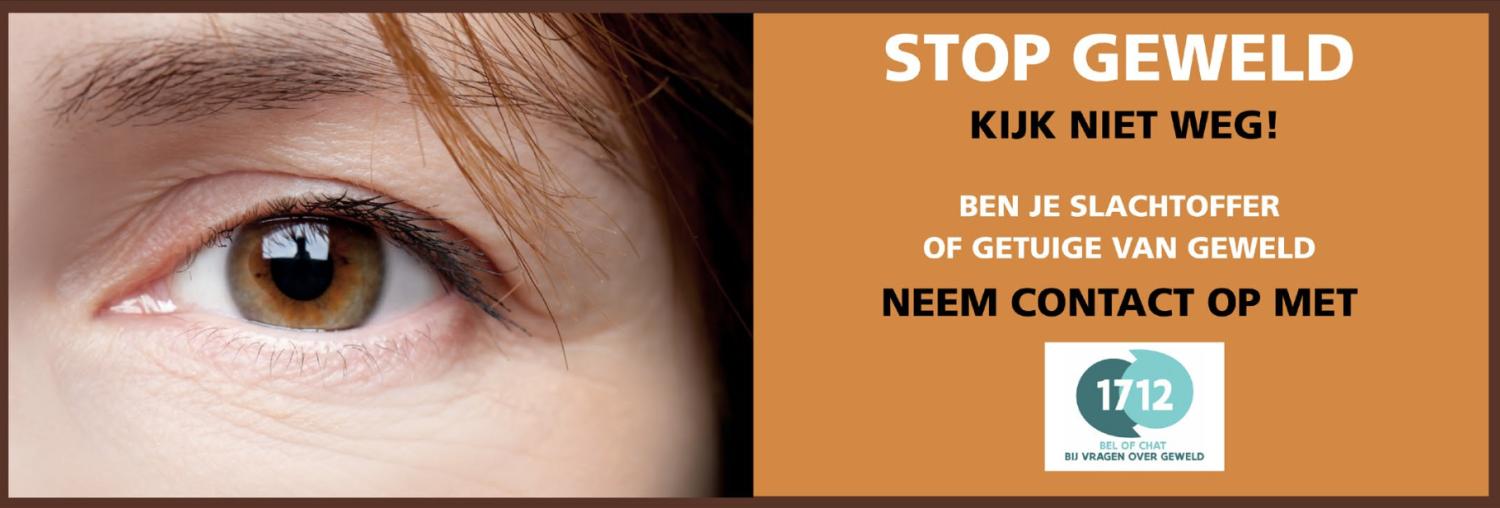
Farida: “That’s right. Through a newsletter, around 16,000 doctors will see our posters. In addition, the posters will also appear on screens in pharmacies. We want to reach people in places where they can easily speak to a trusted professional. A doctor or pharmacist can sometimes be the first person someone tells about what is happening at home or in their surroundings. Our posters also include the official helpline numbers and a QR code. In this way, we hope to lower the threshold for seeking help.”
Sofie: “We cannot fight violence on our own. Cooperation is essential. If universities, healthcare institutions, cities and, hopefully now, doctors and pharmacists also support the campaign, the message becomes much stronger. In this case, one plus one really does equal three.”
“Men can hold each other accountable and help create a culture of respect”
This year’s international theme is ‘Make Men Our Allies’. Is that an important signal?
Sofie: “We certainly do not want to stigmatise men. The aim is not to say that men are the problem. Many men want to help think about solutions and also speak out against violence. When a man says that he does not accept violence against women, it can sometimes have a different impact on other men than when women convey the same message. Men can hold each other accountable and help create a culture of respect.”
Farida: “Allyship often begins with small actions. Not laughing along when someone makes a degrading joke. Speaking to a friend or colleague about behaviour that is not acceptable. Or simply listening when someone tells you they are a victim of violence. You do not need to have a loud voice or a forceful personality to do that. The most important thing is not to look away. We must also continue to emphasise that responsibility always lies with the person committing the violence. A victim is never responsible for what happens to her. If someone finds the courage to tell her story, it is incredibly important that we believe her and listen without immediately judging. Small signs of support can mean a great deal.”
“When a man speaks out against violence, other men are more likely to listen”
Why is it important to involve young people and universities in that message as well?
Farida: “A university is much more than a place where students obtain a degree. It is also an environment where young people develop their identity and learn how to engage with others and with society. They are not only the generation of tomorrow, but can already help determine what behaviour is acceptable today. That is why it is important to have conversations about respect, boundaries, equality and responsibility. The core values of the VUB - freedom, equality and connectedness - play an important role in this. Young people must learn to think critically about their own behaviour and that of others. A university must also be a safe environment, where students and staff know where to turn if they experience something or wish to report it. Equality is not a favour, but a fundamental right.”
When will the campaign be a success for you?
Sofie: “We must remain realistic: we are not going to eradicate violence overnight. But if one young person starts thinking differently because of our campaign, or if one victim dares to seek help, then we have achieved something. We have seen that our digital campaign reaches people: last year our messages received thousands of views and we saw more visitors to our website. This year, thanks to doctors and pharmacists, we can reach many more people.”
Farida: “My dream is that one day we will no longer need to organise this campaign. Until then, we will continue our efforts. Every campaign contributes in some way. And sometimes that is already a great deal.”
Sofie Temmerman is President of Zonta Club Brussels Sablon and volunteers in support of the rights of women and girls. She is CEO of two financial institutions at European level. Her daughter studies at the VUB, a university with which she feels closely connected.
Farida Lamkanfi trained as a medical doctor and works internationally in clinical research for a pharmaceutical company. She is a VUB alumna and has been an Honorary Fellow of the university since 2018. She is also a volunteer with Zonta Club Brussels Sablon.