


On 2 December, the VUB will host the Mental Health in Esports Conference. Researchers, players and coaches will come together to discuss mental wellbeing in the rapidly growing world of esports. VUB Professor of Health and Sport Psychology Jolan Kegelaers coordinated an international study involving more than a thousand esports players. The results are striking.
Interesse in sportpsychologie? Ontdek Psychologie aan de VUB!
GTA VI attracted millions of hours of viewership upon its release. Does the popularity of gaming still surprise you?
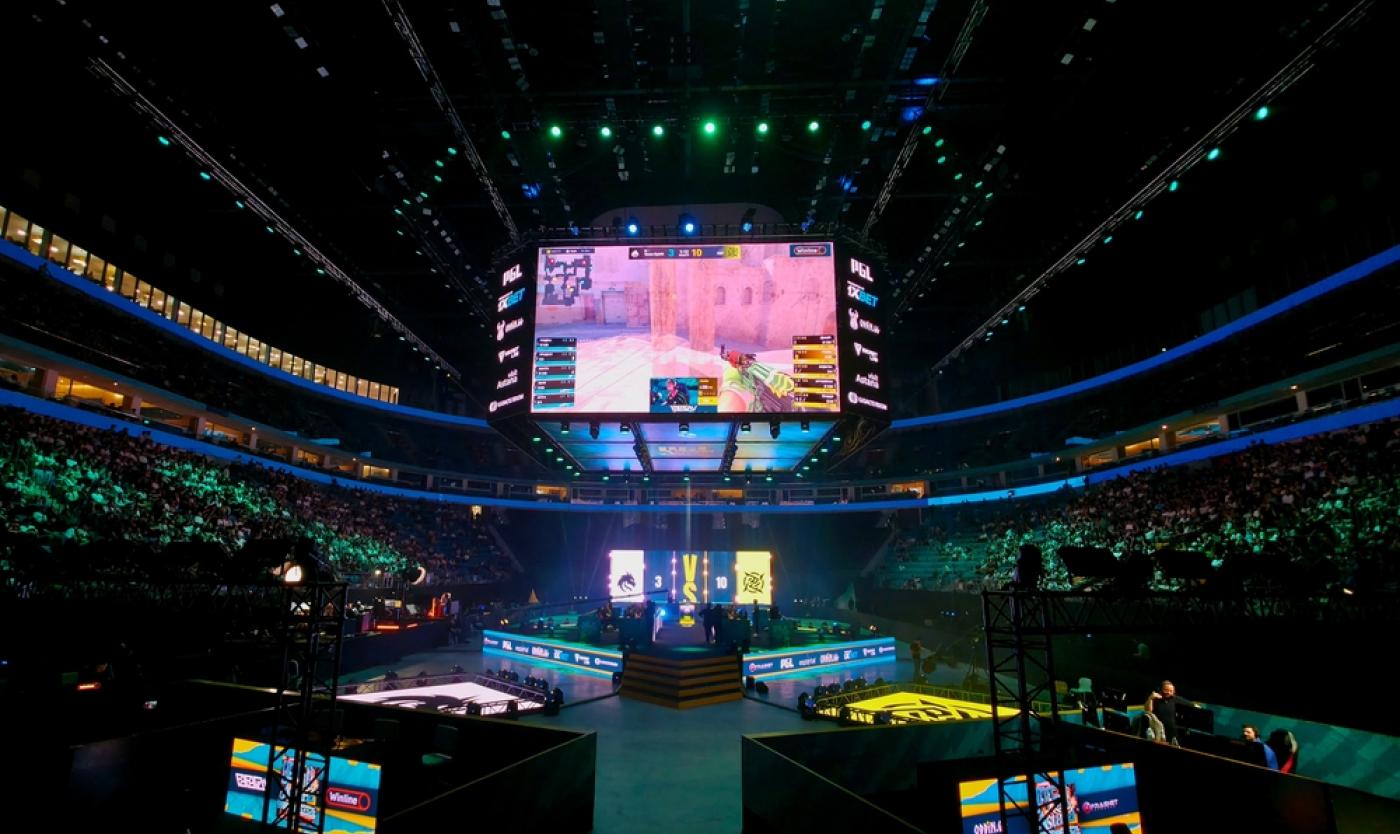
Jolan Kegelaers: “Those are impressive figures, but they do not really surprise me. There is a very large community around gaming and esports. It is simply less visible to many people. When a major game is launched or when the Counter-Strike World Championship takes place in Antwerp, a much broader audience suddenly realises how large that world has become.”
On 2 December, the Mental Health in Esports Conference will take place at the VUB. What can we expect?
“It is the closing event of The Good Game Project, a three-year European research project. We investigated the mental health of esports players and developed tools to support them more effectively. During the conference, we will present our findings. We are also bringing together other researchers and organisations to exchange knowledge and good practices.”
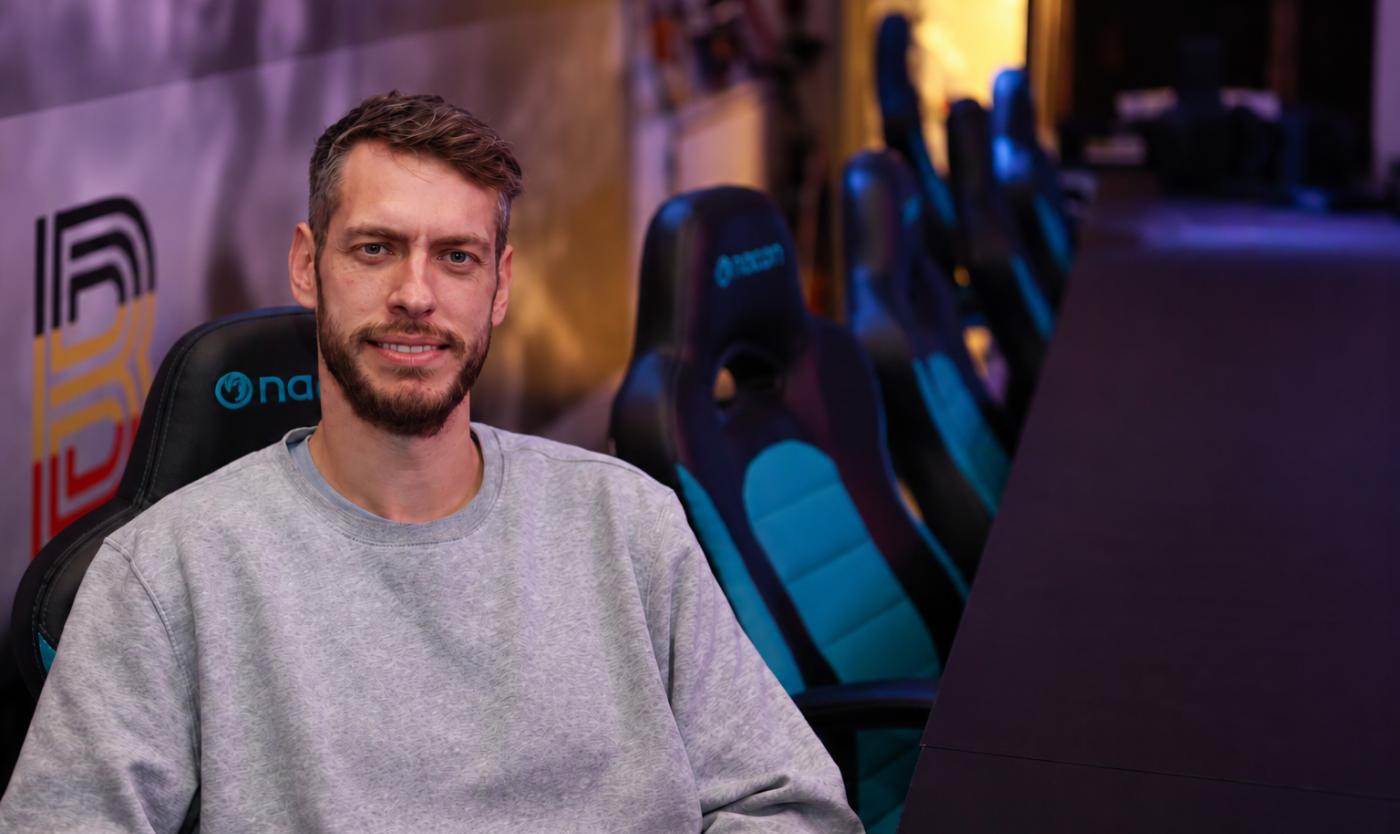
Jolan Kegelaers
You surveyed more than a thousand esports players. Who exactly do you consider to be an esports player?
“We take a fairly broad view. An esports player is someone who plays video games competitively. That may be someone trying to achieve an online ranking, but equally someone who participates in online or in-person tournaments. We like to compare it with traditional sport: we are not looking at someone kicking a ball around with friends for fun, but at people who engage with their sport competitively. Within that group, we surveyed both recreational and professional players.”
“Around 45 per cent of participants scored above the clinically significant threshold for depressive symptoms”
What were the main findings?
“The burden of mental health issues proved to be quite substantial. Around 45 per cent of participants scored above the clinically significant threshold for depressive symptoms. That does not mean that all of those people have clinical depression, but it does mean that they report enough symptoms to warrant attention. For anxiety symptoms, the figure was around 33 per cent.
The sleep figures were particularly striking. As many as 70 per cent reported sleep problems above the threshold used. That is an enormous number. We expected sleep to be a point of concern in this population, but not that the problem would be so pronounced.”
General wellbeing is also lower than among their peers?
“Approximately 63.5 per cent of participants reported experiencing good wellbeing. In the general population of roughly the same age, that figure is usually around 70 per cent. In that respect too, esports players score lower than we would expect.”
One of the most striking findings concerns neurodiversity. Nearly four in ten participants identified themselves as neurodivergent. Did you expect that?
“That is considerably more than we would expect based on figures from the general population. Depending on how it is measured, the figure there is closer to 15 per cent. We asked participants themselves whether they identified as neurodivergent. So we are not necessarily talking about people with an official diagnosis of, for example, ADHD or autism. But it does show that a remarkably large group of neurodivergent people is active in esports.”
“A remarkably large group of neurodivergent people is active in esports”
Why might they feel so attracted to competitive gaming?
“We do not know exactly yet. It is possible that competitive video gaming aligns more closely with the way some players think and process information. As a result, they may feel more at home in that environment. That is an interesting hypothesis that deserves further research.”
You also observed differences depending on competitive level. What stood out?
“Neurodivergent players at lower competitive levels reported significantly more mental health issues than neurotypical players at the same level. Among players competing at the highest level, we observed the opposite pattern: neurodivergent esports players reported fewer symptoms of depression and anxiety than their neurotypical counterparts. They still reported lower wellbeing and more sleep problems, however.”
How do you explain that difference?
“One possible explanation is that certain forms of neurodivergence provide a competitive advantage. Perhaps esports is better suited to the way these players function. Another explanation is selection: neurodivergent players who also experience mental health problems may find it harder to progress to the top level. In that case, only those who succeed in developing certain coping mechanisms reach the highest level. Both explanations may play a role. We do not know yet.”
Does esports itself cause these mental health issues?
“That is not an easy question to answer. Competitive pressure, the online environment and the toxicity that is sometimes present there can create additional stress. But it may also be the case that young people who are already struggling with certain issues are more likely to find their way into esports because they feel more at home there.
Other research conducted by our team provides indications for that second hypothesis. Using network analyses, we examined which symptoms and factors are interconnected. There, we often see mental health problems as the starting point, followed by esports-related problems. That suggests that young people with a certain vulnerability may be more likely to end up in esports. We must be cautious in drawing conclusions: this field of research is still in its infancy.”
How can we better support young people who are active in esports?
“As part of our project, we developed an online learning platform. It contains information about mental health, how to recognise symptoms and how to start conversations about them. There are also modules on sleep optimisation and specific information for parents and coaches. We want to provide accessible information to everyone involved in esports.”
What responsibility do professional esports organisations have?
“They too need to look beyond performance alone. Just as traditional sports clubs pay attention to the wellbeing of their athletes, esports organisations need to do the same for their players. We are seeing gradual change in that direction. G2, one of the largest esports organisations in Europe and a partner in our project, is paying increasing attention to players’ overall development and wellbeing. But that transition is happening gradually.”
“Perhaps we should invest more in local esports organisations where young people can game together under adult supervision”
ou also see opportunities beyond the professional esports world?
“Absolutely. Perhaps we should invest more in local esports organisations where young people can game together under adult supervision. I like to compare it with traditional sports clubs. There, a coach focuses not only on performance but also on teamwork, emotional regulation and mental resilience. Perhaps we need a similar system in esports. It would also help bring young people out of their rooms and together in shared spaces, where they can develop social skills.”
What do you hope the conference on 2 December will achieve?
“I hope researchers will establish new connections and identify opportunities for future collaboration. We still have much to learn about mental health in esports. For practitioners, I hope that the various good practices we are bringing together will inspire them to support their own players more effectively.”
What advice would you give to a young gamer who wants to become a professional esports player?
“Today, esports can be a fully fledged professional career. If that is your ambition, you should certainly pursue it. But do not lose yourself in what we call grind culture: constantly putting in more hours and playing even more. We often see young people investing so much time in their gaming performance that other areas of life become neglected. Think about physical activity, nutrition, sleep and mental health. Those things are important for your health, but ultimately also for your performance.”
BIO
Jolan Kegelaers is Professor of Health and Sport Psychology at the VUB and a postdoctoral researcher. He studied Clinical Psychology at the VUB and obtained a PhD on resilience and mental toughness in elite sport. His research focuses on mental health and wellbeing in a range of performance contexts, including sport, music and esports. He coordinates The Good Game Project, a European research project on mental health in esports.