

Professor Cedric Van Dijck, a literary scholar affiliated with the VUB Centre for Literary and Intermedial Crossings, has been awarded the 2026 Flemish Scientific Foundation Prize. It is the first time since 2011 that a VUB researcher has received this triennial prize for the humanities and social sciences. “I became deeply interested in the role magazines played in constructing colonial ideologies. But also in dismantling those ideologies.”
You also received a European Commission ERC Starting Grant in 2024. Was that for the same research?
Cedric Van Dijck: “Largely, yes. The prize I have received recognises my research of roughly the past ten years and my book Modernism, Material Culture and the First World War. In it, I study the trench press of the First World War. AFROPRESS, the ERC project on which my team and I are currently working, examines the decolonisation process through African literary and arts magazines. It is a similarly overlooked source, but approached from a different angle.”
Your research focuses on the period from 1918 to 1968. Is that because most countries became independent afterwards?
“No. The countries we examine in this project, Congo-Brazzaville, the Democratic Republic of the Congo, Uganda, South Africa and Madagascar, became independent in 1960, or even earlier. Many of the literary magazines that helped shape a canon of African literature ceased publication around 1968. During that period, the continent’s history entered a different phase of rapid transformation. By focusing on the half-century before 1968, we can more precisely study the contribution of magazines to the transition from colonialism to independence.”
“Magazines covering seemingly light-hearted topics played an important role in social, cultural and political change”
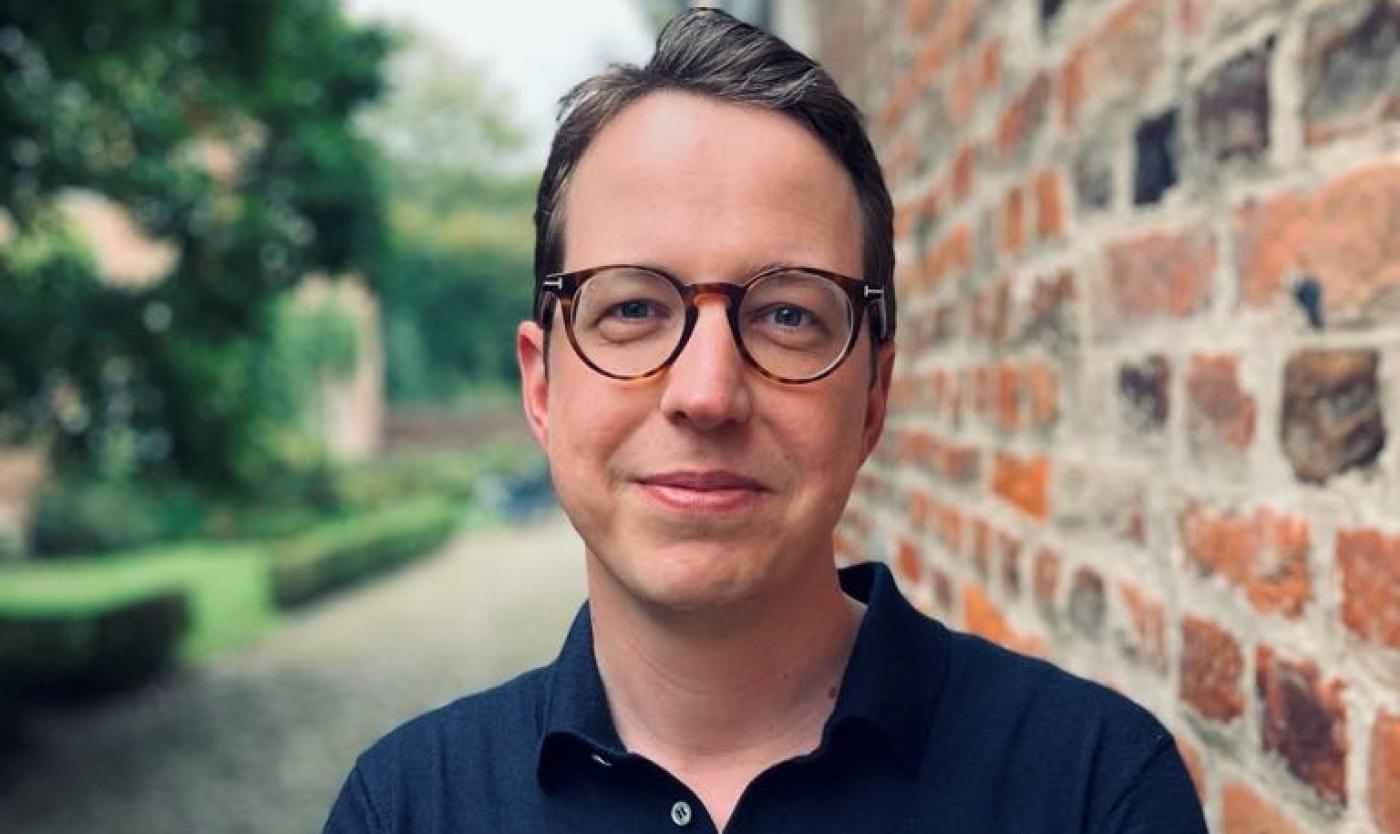
Cedric Van Dijck
Why do these magazines play such an important role in your research?
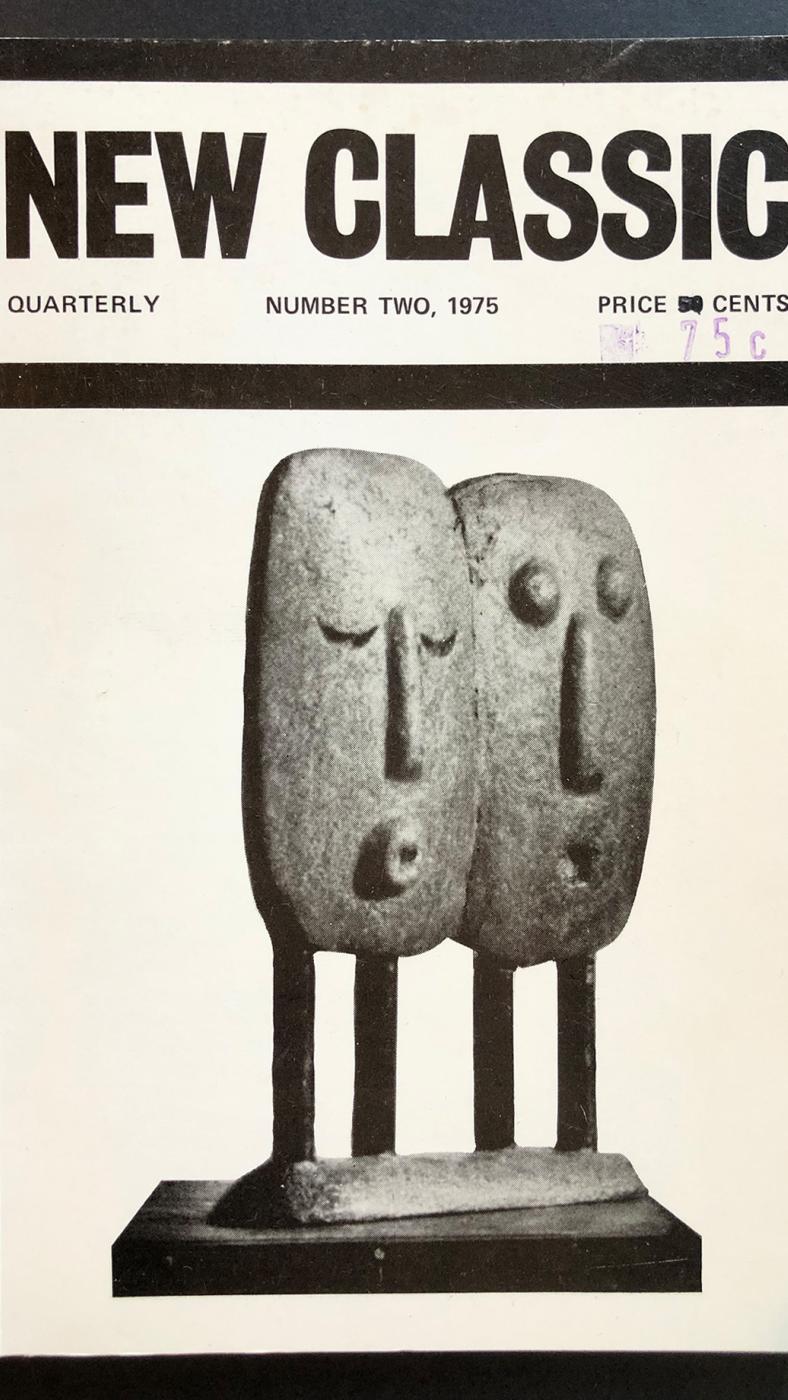
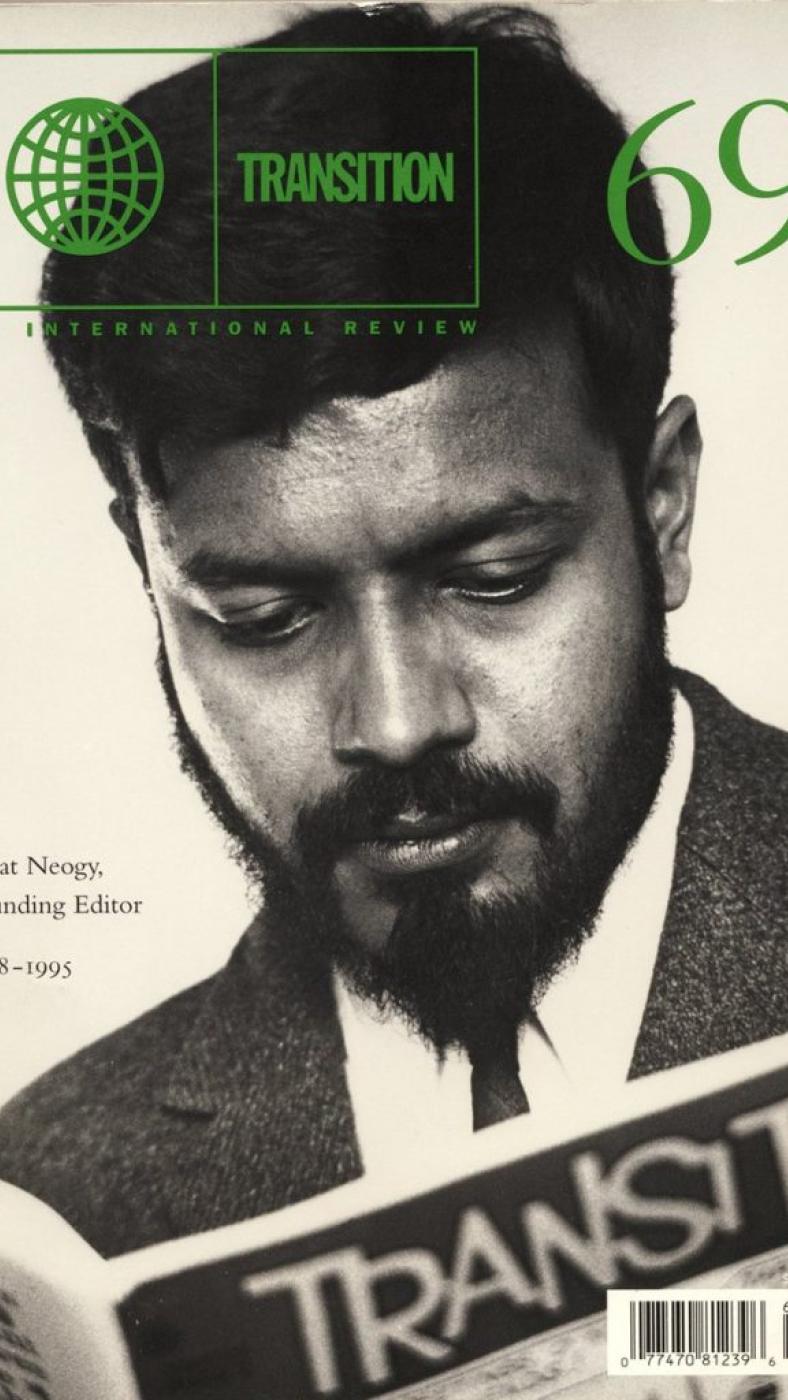
“My entire research revolves around a major paradox. Literary or cultural magazines are very often regarded as ephemeral publications, as disposable objects that are eventually thrown away. They contain poetry and light-hearted themes; not exactly what people consider serious historical sources. And yet we see that these magazines played a very important role in social, cultural and political change, particularly until the mid-twentieth century. My research explores how this happened, why it happened, and the forms it took. The focus of my book was on how magazines contributed to the conduct of the First World War. With this new ERC project on Sub-Saharan Africa between 1918 and 1968, we are specifically examining how magazines helped shape processes such as decolonisation and the dismantling of colonial regimes and Apartheid.”
Can these publications be regarded as the first forms of written resistance?
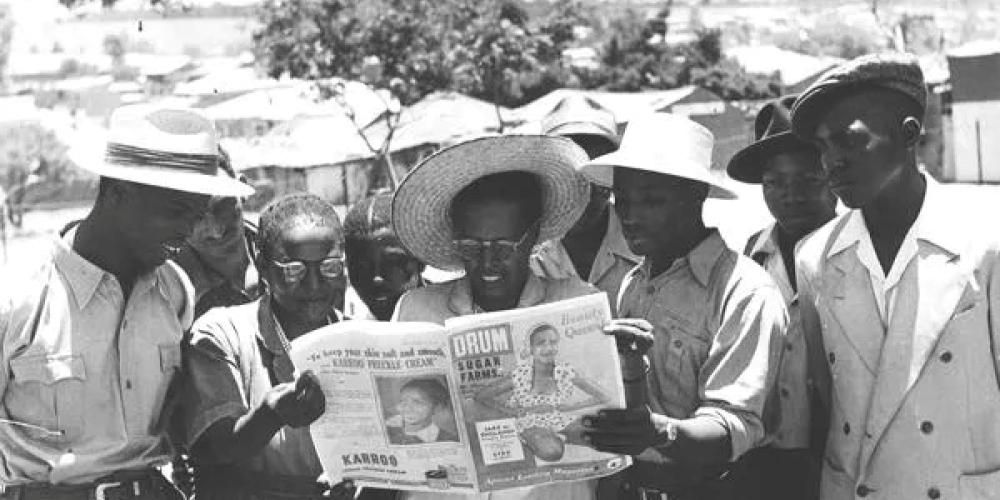
“I would not call them the first forms, but they were certainly very important forms of resistance. What makes a magazine so interesting is that it is a highly flexible and mobile form. You can do different things with it than with a printed book or a written manuscript. A good example is Congolese newspapers in the 1940s and 1950s. They were primarily printed for a colonial readership, meaning Belgians living in the Congo. From the 1940s onwards, however, they began including supplements for Congolese readers as a way of generating additional revenue. More readers meant more newspapers sold. Those supplements gradually developed into literary magazines that played a significant role in formulating postcolonial ideas. They became places where people reflected on what Congolese literature was, or what the Congo might look like once the Belgians had left. These magazines also started crossing borders because they were inexpensive to produce and easy to distribute. It is this mobility, this flexibility, almost as a political reality in itself, that interests us.”
“Thanks to their flexibility and mobility, magazines could often evade censorship”
Was it easy to trace these sources?
“These are sources that were very rarely taken seriously and, as a result, were seldom preserved consistently. A magazine or newspaper inherently contains a form of built-in obsolescence. In other words, it is designed to be discarded. If you did not throw away today’s newspaper, you might not buy tomorrow’s. As a result, very few people kept these materials. They were not intended to last: printed on cheap paper, with ink that rubbed off on your fingers. My team works with archives that are incomplete, material that has disappeared or is in the process of disappearing. So tracking them down is already quite a detective story.”
They were not taken seriously. Not even by the colonisers? Did they not censor them?
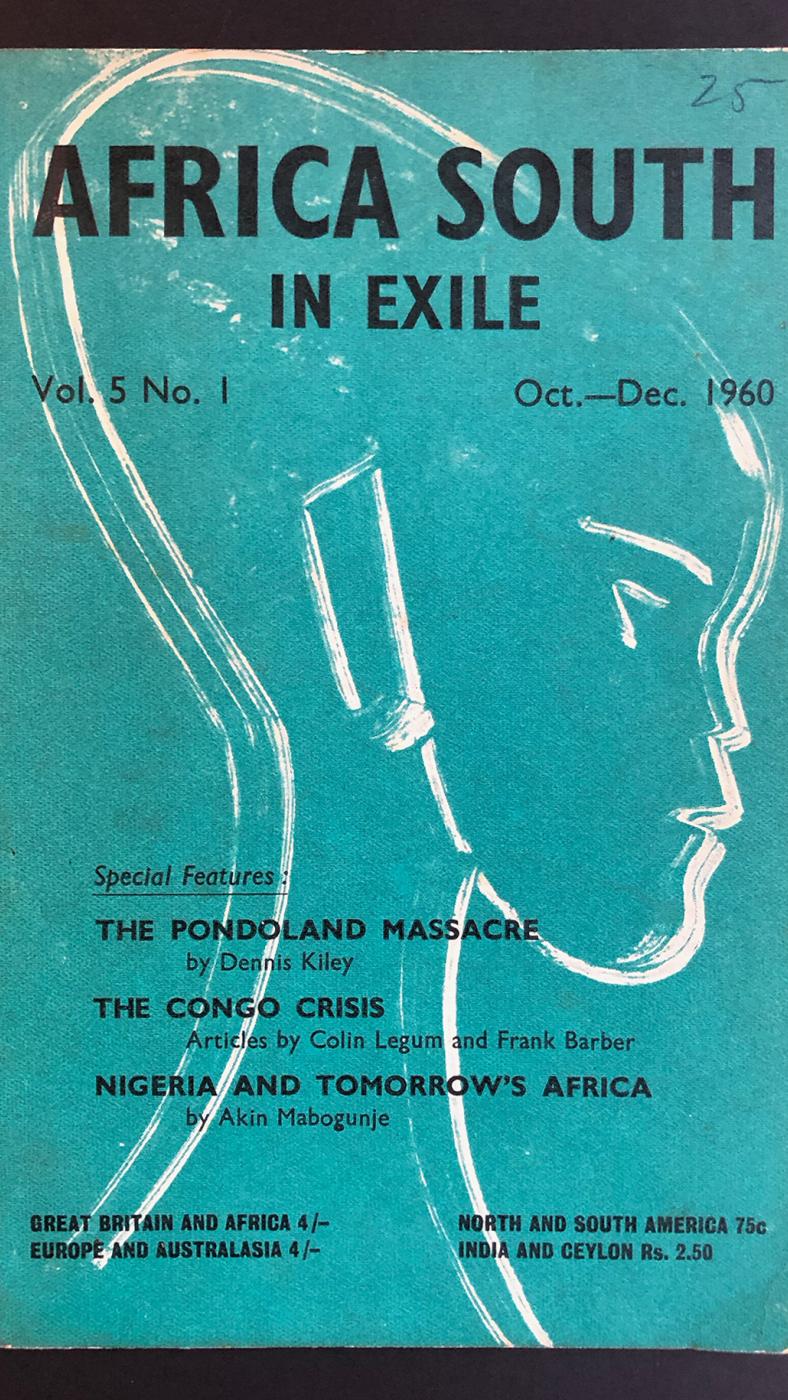
“Of course they did. But because of the flexibility and mobility of the magazine format, censorship could often be circumvented. One example is The New African, published in the 1960s at the University of Cape Town, during the Apartheid regime. It was a highly critical magazine that was censored and eventually banned. Its editors went into exile, and one of them relaunched The New African in London. However, he repeatedly sent it back to South Africa under new titles, such as Frontier, Vanguard and Inkululeko, allowing it to slip past the censors. It typically took the Apartheid authorities about a year to realise that it was the same magazine, at which point it would be renamed again. This kind of flexibility appears in hundreds of different ways across magazines and was often used for political purposes. It is much harder to achieve with printed books or other forms of literature.”
“The great irony is that much of the material from that period is located in Europe rather than in Africa itself”
Where does this particular interest in African magazines come from?
“I have been researching literary and cultural magazines for more than ten years, initially focusing on those produced during the First World War. I became deeply interested in the role magazines played in constructing colonial ideologies. But also in dismantling those ideologies. Because I work in Belgium, those connections with Africa are easier to study. That is the great irony: much of the material from the period that interests us is located in Europe rather than in Africa itself. The preserved archive of the Congolese writer Paul Lomami-Tshibamba, editor of Voix du Congolais and Liaison, is held at the KBR in Brussels.”
How is your research received in those countries?
“We collaborate frequently and enthusiastically. My team consists of two PhD researchers, a postdoctoral researcher and myself. For example, we are currently travelling with the entire team to Antananarivo in Madagascar to visit archives and organise conferences with local researchers. VUB also maintains strong links with several universities, including institutions in Cape Town and the Congo. Two years ago, I was a visiting researcher at the University of Cape Town, where I spent six months working extensively in the archives.”