

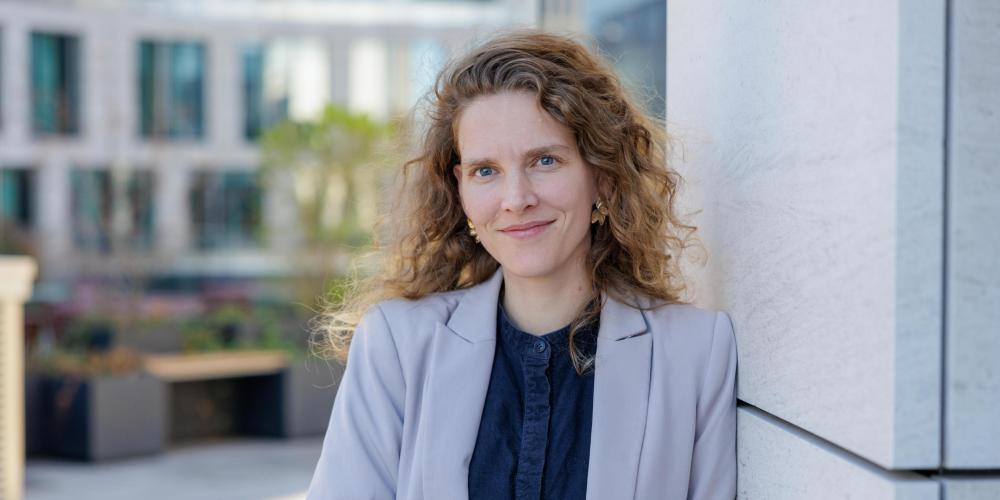


Bioengineer Anne van den Oever (VUB) studies the environmental impact that energy technologies will have in the future. On 1 October, she started her FWO Junior Postdoctoral Fellowship. Less than two months later, she is receiving a L’Oréal-UNESCO Award For Women in Science. “Within three years, my model should be able to indicate whether a particular energy system is sustainable for Belgium and for the countries from which we import energy. And it should do so under different climate scenarios.”
Would you also like to study Bioengineering Sciences? (in Dutch)
You do not so much investigate the environmental impact that an energy technology has today. You mainly look at the future. Why is that?
Anne van den Oever: “A technology that we develop today will not look the same in 2050. It will have evolved further, but the world around it will also have changed.
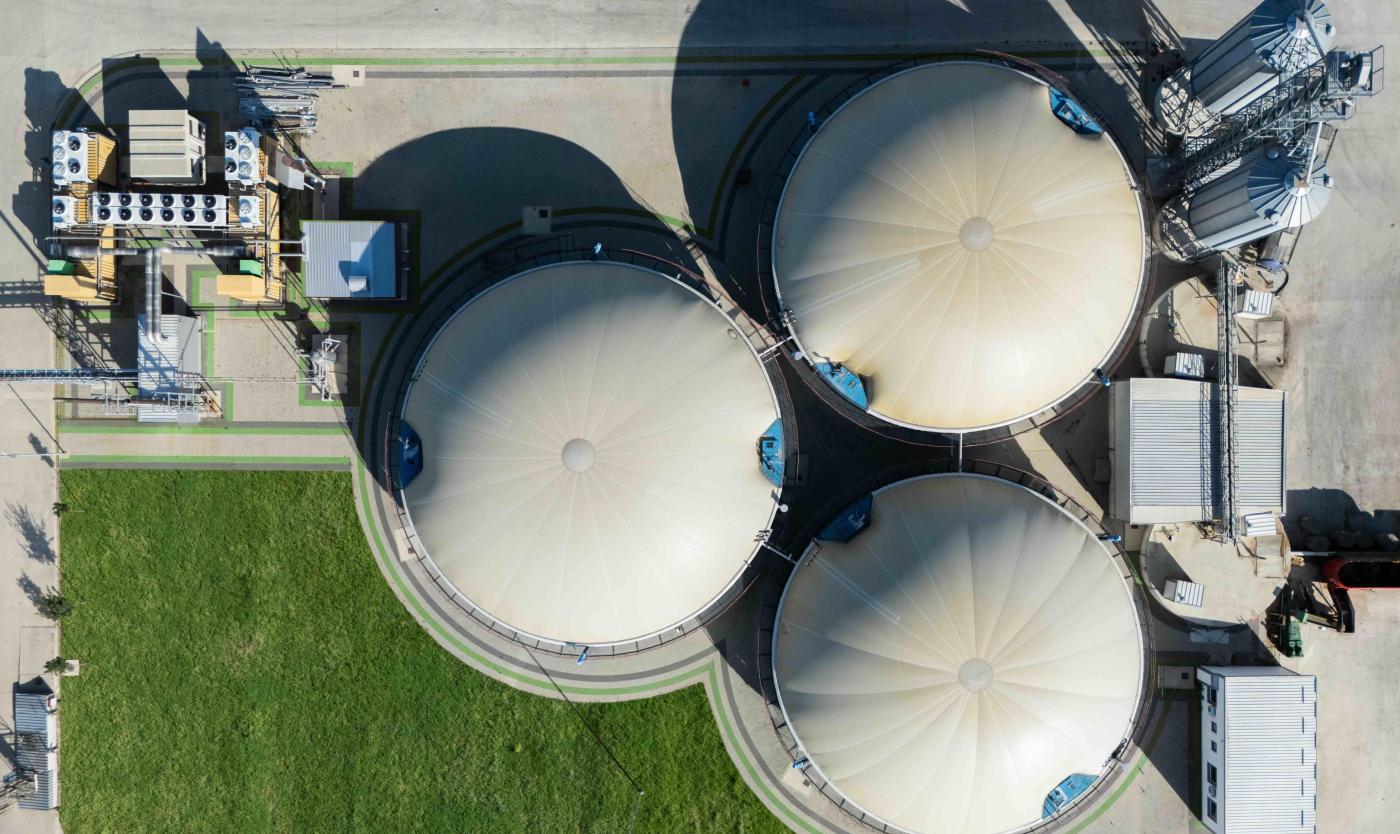
During my PhD, I worked extensively on biofuels. Converting wood into biodiesel or biopetrol is currently done on a small scale in a laboratory. A researcher might, for example, take five grams of wood and use natural gas or electricity to turn it into fuel. In the future, we may be able to use green hydrogen or recovered exhaust gases for this purpose. As a result, the same technology could become much more sustainable.
The environmental impact we measure today therefore does not necessarily tell us anything about the impact a technology will have in twenty or thirty years’ time. The idea is that my model can indicate whether a particular energy system is sustainable for Belgium and for the countries from which we import energy. And it should do so under different climate scenarios.”
When do you consider an energy technology to be sustainable?
“I specifically focus on ecological sustainability. Social sustainability is, of course, also very important, but I do not include it in my research.
For ecological sustainability, we look at around sixteen indicators, such as air and soil pollution, toxicity and climate change. If an energy technology performs well across all those dimensions, or at least performs better than the technology we use today, we consider it sustainable.”
Is it also about ensuring that the end result stays within the limits of what our planet can support?
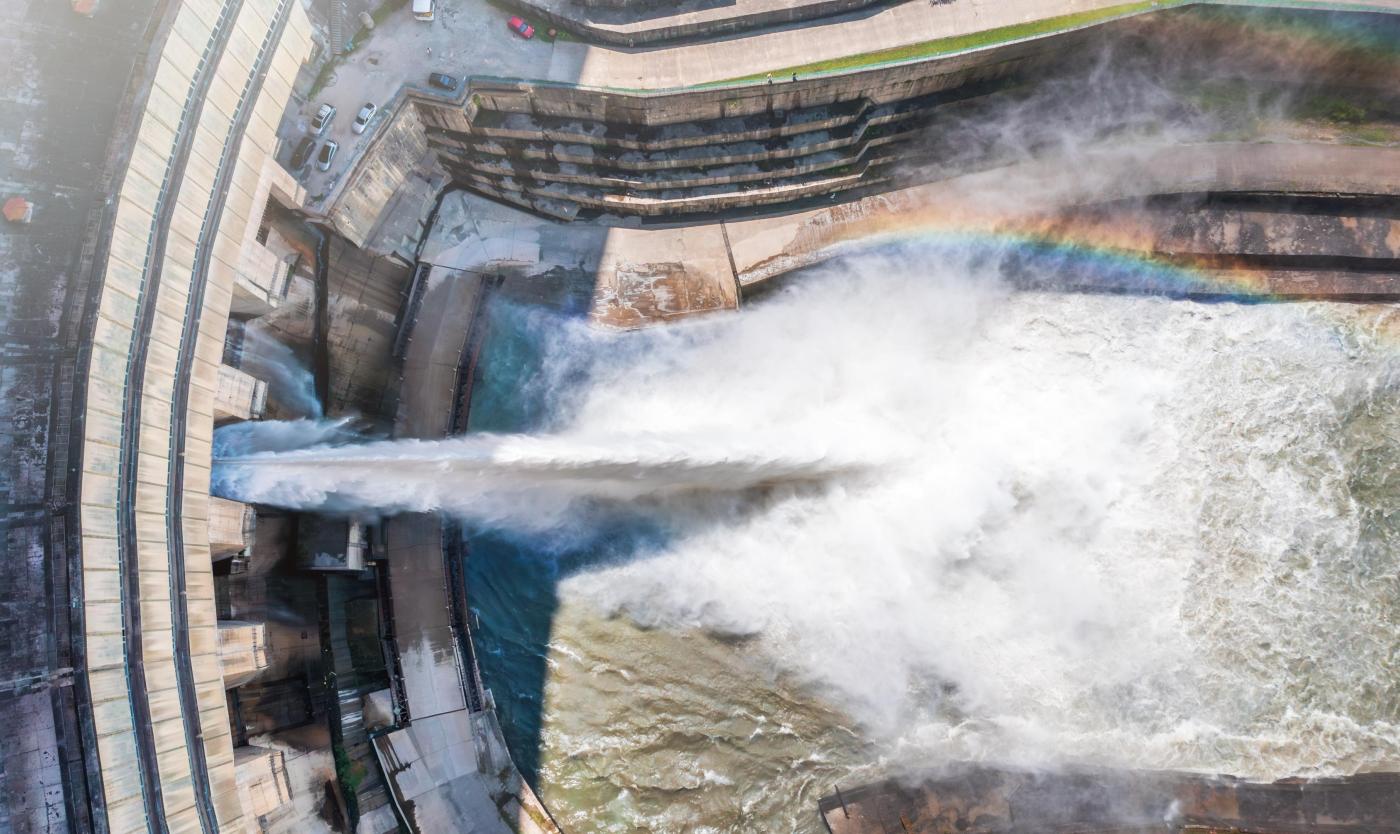
“Absolutely. Suppose our model predicts that a particular energy technology requires 200 per cent more water. The next question is: is that a problem? That depends on whether sufficient water is available. So we need to know the Earth’s carrying capacity. But also where that water comes from. Is it from an arid region or from a country with abundant water resources? And when do we need it: during the rainy season or the dry season? Climate change also plays a role. In some regions, climate change will make more water available in the future, while in others water will become scarcer.”
Besides being sustainable and sufficiently available, energy must also be affordable. Can those three criteria – sustainable, sufficiently available and affordable – go together?
“Of those three criteria, sustainability faces the greatest risk of not being achieved. If people have to choose between no energy and polluting energy, they will choose polluting energy. The same applies to affordability. If sustainable energy costs much more, people will choose a less sustainable but affordable form of energy.
The model I work with is an optimisation model. That means the model looks for the cheapest way to meet energy demand sustainably. Affordability and sustainability are therefore both taken into account.”
Will policymakers be able to use your tool in the future to make decisions about the energy transition, or do you have other target groups in mind?
“My research has several target groups. The first is scientists. Fellow scientists are asking how complex a model needs to be. For example, is it useful to include different climate scenarios in an energy model? The more details you put into a model, the more time and computing power it requires. My research can help determine whether such an additional level of detail actually changes the conclusion.”
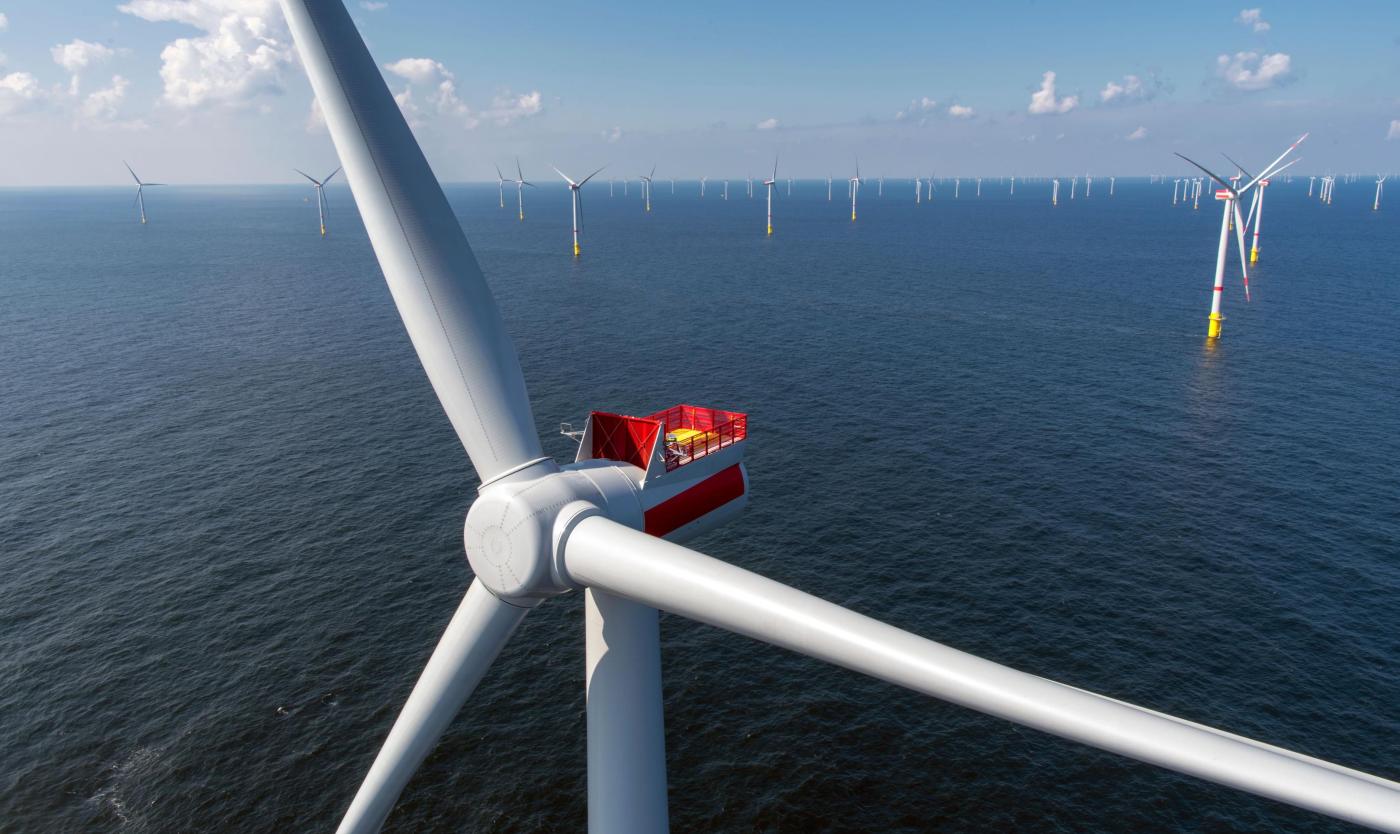
“I also work within FACT, the Flanders Alliance for Climate Technology. Different research groups collaborate there on the development of climate technologies. They often work at the micro level: how does a particular wind or solar technology, battery, or other technology perform in terms of sustainability? My research can provide a systems perspective: what does that technology mean within the overall energy system?
In addition, I do indeed want to develop a visualisation tool that policymakers, as well as citizens and other researchers, can use. It will allow them to see the impact of choosing one transition scenario over another.”
Are there any energy technologies that you already expect to perform well?
“One area I explored relatively little during my PhD is nuclear energy. At the time, it seemed to be a politically closed avenue. We are now revisiting that to some extent.
I have already conducted a number of analyses, and these show that nuclear energy scores well in terms of both affordability and environmental impact. And that applies both to existing nuclear technology and to new technologies that are still under development.”
You are conducting this research specifically for Belgium. What is unique about our context?
“Like many industrialised countries, we are highly dependent on other countries. It is impossible to supply Belgium entirely with energy from what is available domestically. At the same time, we have a major port, which means we can import fuels relatively easily. The choice of which fuels we import and where they come from therefore becomes very important.
We must also consider the changing Belgian context. We are already experiencing more frequent droughts, and that issue may become more pronounced. Suppose we choose the nuclear pathway; this summer, nuclear facilities in several countries had to be temporarily shut down because insufficient water was available for cooling. Those kinds of effects must also be incorporated into a future energy system.”
How do you do that in practice?
“By ensuring, for example, that our energy system is less dependent on nuclear energy during the summer. With sufficient solar energy, that may be possible. We may also need to look at energy much more seasonally or by time of day. Today, environmental impact assessments still too often look at the energy system on an annual basis.”
You are now starting an FWO Junior Postdoctoral Fellowship. What will you be able to investigate over the next three years that previously received less attention?
“Until now, I have carried out a great deal of applied research. For example: what are the greenhouse gas emissions of a particular technology? This fellowship gives me more room to ask fundamental questions about the model itself. When do additional data provide new insights, and when does a model become unnecessarily complex? I also want to deepen my expertise in prospective environmental impact assessment, a relatively new field of research. How can we study the future in a scientifically robust way? After all, there are many unknown unknowns: things that will happen in the future that we do not even know today are possible.”
How exactly do you approach that?
“We work with scenarios. In doing so, we look for technologies that are robust under different circumstances, rather than technologies that only perform well under one very specific vision of the future. If you choose such a technology, there is a greater chance that it will make a positive contribution, regardless of how the world develops.”
You also received a L'Oréal-UNESCO For Women in Science Award. What does receiving that recognition mean to you?
“It is very special. I genuinely enjoy doing research. It excites me. Of course, I already knew that about myself, but receiving this kind of recognition confirms that I am in the right place within academia and research.”
How will you use the €20,000 prize money in practical terms?“There are two important things I can do with it. First, I can make my research much more open. For example, I have been able to organise an additional research exchange in Switzerland. There is a database there containing environmental data that is fully open access. That is extremely valuable, because until now much of the data I used was commercial. As a result, I could not publish my findings entirely openly. By using those open data sources and linking them to my model, I can publish my research much more transparently and also make the original sources available.
In addition, I want to establish more international research collaborations. For example, I will spend several months in Montreal. I believe it is important that we continue to collaborate globally on these kinds of issues. Every country faces similar energy challenges. Collaboration stimulates research.”
BIO
Anne van den Oever is a bioengineer and postdoctoral researcher at the VUB. She obtained her PhD in 2025 at VUB and KU Leuven with research into the future environmental impact of new biofuels. Today, she investigates how we can better assess the environmental impact of future energy and material technologies. In doing so, she works, among other things, with prospective life cycle assessment (LCA), a method that takes into account how technologies and their environments may change in the future.