

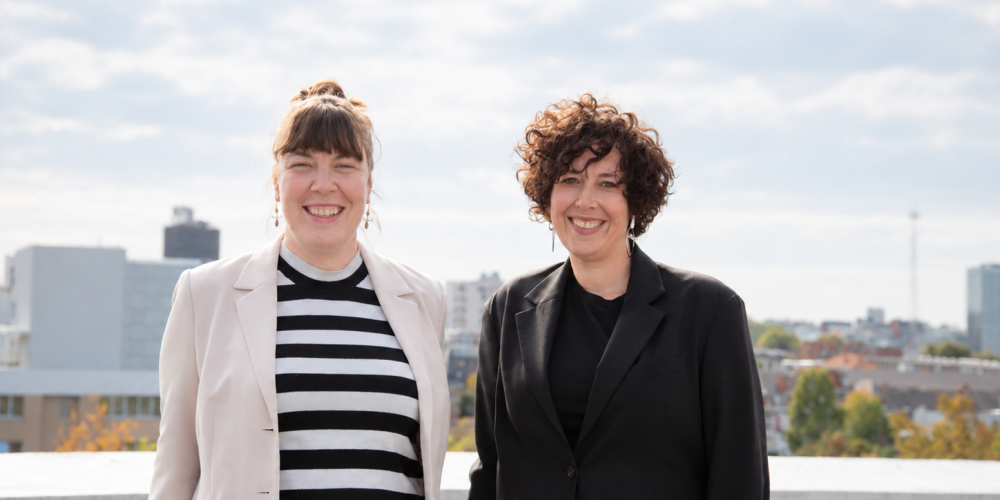


The world around VUB is changing rapidly. Society’s expectations are shifting, financial pressures are forcing difficult choices, and technologies such as AI are turning established roles and processes upside down. Simply working harder within existing structures is no longer enough. The university must also be willing to rethink how it operates. That is where the new Transformation Team comes in, acting as a catalyst for an unprecedented transformation across VUB.
Virginia Geeraerts, Deputy Director of People & Organisation, is taking on the role of Transformation Architect, while Katrien De Cnijf has been appointed Transformation Manager. Their remit grew out of practical organisational and operational challenges. As budget cuts took effect, it became clear that reducing costs alone would not be enough. The way people collaborate and processes are organised would also need to change. Rather than opting for a traditional, top-down programme team, VUB deliberately chose a flexible network that builds expertise by working on real projects.
What exactly do you mean by transformation?
Katrien: “Transformation goes beyond improving a process here or there. It forces us to ask a more fundamental question: what kind of organisation does VUB want to be in the future? Social and financial realities are changing. If we keep doing what we’ve always done, we can’t expect different results.”
Virginia: “That’s also what sets transformation apart from ordinary change. Change often means improving something within the existing system. Transformation means asking whether the system itself is still fit for our ambitions. VUB’s sixth General Strategic Plan (ASP6) provides the strategic direction for this wider transformation, but our structures, processes and capabilities must be able to keep pace.”
Why is this so urgent?
Virginia: “Because we’re facing major challenges in the years ahead. Think of changing societal expectations, the impact of AI and the need to establish new partnerships or research groups more quickly. Many of our processes are still manual, and teams are already under considerable pressure. We need to make clear choices and start with changes that make a tangible difference and give people some breathing space.”
“Transformation doesn’t start with working harder. It starts with asking whether we’re organising our work in the right way”
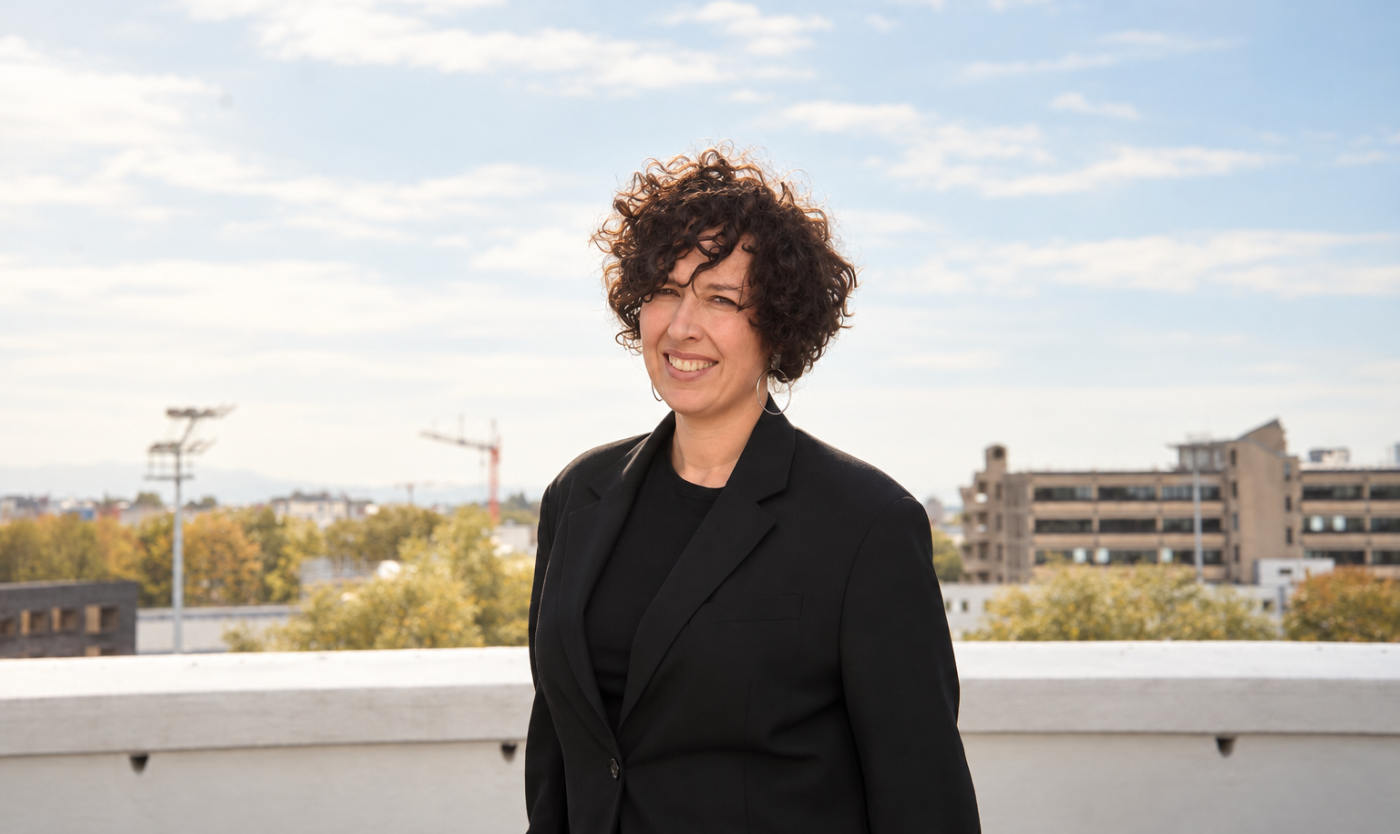
Katrien De Cnijf
How are you approaching this?
Katrien: “The Transformation Team isn’t a permanent team rolling out a programme from the top down. We work as a cross-functional team, bringing together different areas of expertise: a transformation manager, an architect, business analysts, and product and change management specialists. Other colleagues and experts join us depending on the project.”
Virginia: “Anyone who contributes to a transformation project effectively becomes part of the team. We don’t just want to involve people. We also want to equip them with the skills to manage change and rethink organisational structures. They can then take that knowledge back to their own department or unit. We’re building a library of methods and templates, but above all, a network of colleagues who can turn to one another for advice. Developing this capacity for transformation – enabling as many people as possible to navigate change – is one of the team's explicit goals.”
According to Virginia, simply copying a model from another organisation is not an option. “Transformation can only succeed if it reflects VUB’s DNA. We need to start with our own strengths and build on them.”
What projects are you currently working on?
Virginia: “One example from our current portfolio is simplifying the recruitment and appointment process. At the moment, a file passes through several departments, with numerous handovers and potential points of disruption. We’re looking at how to make the entire process simpler and more consistent from start to finish.”
Katrien: “We’re also running a pilot project to bring together the administrative offices of three faculties. We want to explore which organisational model can provide sufficient scale and continuity, while delivering a consistent level of service to different groups of users.”
Student services, collaboration between faculties and central departments, and the impact of AI are also on the agenda. According to Virginia, AI will do more than support individual tasks. As AI systems begin to carry out tasks independently, much like colleagues, roles, expectations and service delivery models will also change. That is why the team wants to gain practical experience through pilot projects and learn alongside the departments involved. The aim is to deliver tangible results within the first year.
“The real test isn’t whether we have a great plan. It’s whether staff experience fewer steps, faster processes and more breathing space”
What kinds of questions can staff bring to you?
Katrien: “Any organisational challenge, big or small. You don’t need to decide in advance whether your idea is ‘transformational enough’. We don’t want good ideas to be lost because people hesitate to put them forward.”
Virginia: “We always start by listening. What is the real problem? What has already been tried? Where are people getting stuck? Then we look at what support is needed. Sometimes we guide an entire project. Sometimes we help structure an approach or simply act as a sounding board.”
The Transformation Team does not take ownership of projects away from those responsible for them. Managers or project initiators remain accountable for decisions. “But we will challenge assumptions when necessary,” says Virginia. “A modest process improvement can be valuable, but that doesn’t automatically make it a transformation project. Transformation usually involves a complex challenge that cuts across several departments or processes, has a significant impact on stakeholders, or requires a fundamental redesign.”
Transformation inevitably brings uncertainty. How do you deal with that?
Virginia: “You can’t wait until every detail has been worked out perfectly. Sometimes you have to move forward before you feel 100% ready. You take a step together with stakeholders, test an idea through a pilot project, learn from the experience and adjust your approach. The final outcome may not be fully defined from the outset, but the process of getting there needs to be structured.”
Katrien: “That doesn’t mean anything goes. We gather input widely, review it at clearly defined stages and then make decisions. Participation doesn’t mean every suggestion will be adopted in full. Being transparent about responsibilities, when decisions will be made and what is expected of people provides clarity and reassurance. And once people start seeing results along the way, confidence grows.”
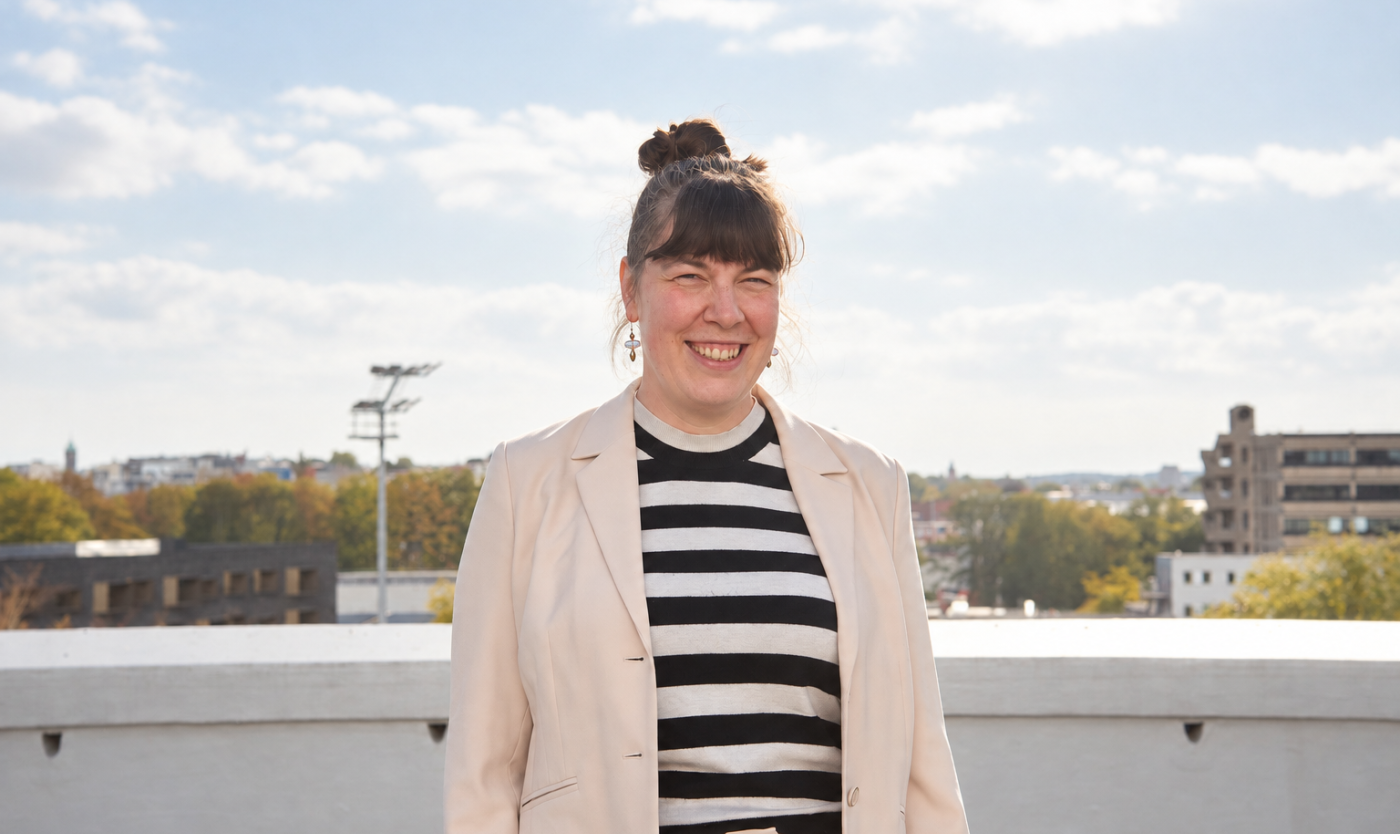
Virginia Geeraerts
“Stormy seas call for adventurers. Not people who leap blindly into the unknown, but those willing to take action, learn and adjust course”
What difference should staff ultimately notice as a result of the Transformation Team’s work?
Virginia: “That processes run more smoothly and that people feel supported when their work changes. Staff should feel able to voice their concerns, understand where the organisation is heading and know how we intend to get there.”
Katrien: “The difference needs to be tangible: fewer steps, shorter turnaround times and less repetitive or labour-intensive work. That creates more room for people to focus on what really matters in their roles. Staff should feel that they finally have some breathing space again.”
The team also looks beyond individual projects. After all, several initiatives may affect the same members of staff at the same time. By involving stakeholders early and bringing different perspectives together, the team aims to better coordinate the demands of change without becoming another cumbersome layer of oversight.
When will you consider the transformation a success?
Katrien: “When the essential foundations are in place. You wouldn’t build a house without solid foundations. For an organisation, these include clearly defined leadership roles and the right tools and structures to make things happen.”
Virginia: “We want to demonstrate successful transformations that inspire confidence. But just as importantly, we want many more colleagues to know how to approach change themselves. Our vision is of an agile, learning university that can respond more quickly and reorganise itself whenever necessary.”
Katrien: “We don’t yet know exactly what the final outcome will look like. That’s the nature of transformation: you set an ambition, take structured steps, learn as you go and keep building.”
Transformation @ VUB
Vrije Universiteit Brussel (VUB) is embarking on a fundamental transformation towards 2034, reshaping how the university operates and prepares for the future. Its sixth General Strategic Plan (ASP6) provides the strategic compass. Alongside a leadership development programme and the introduction of agentic AI, the Transformation Team will guide projects that turn this vision into tangible results.
VUB departments and units can contact the team at transformatie@vub.be, or get in touch directly with Transformation Architect Virginia Geeraerts or Transformation Manager Katrien De Cnijf. Projects can also be proposed through the relevant People & Organisation business partner.