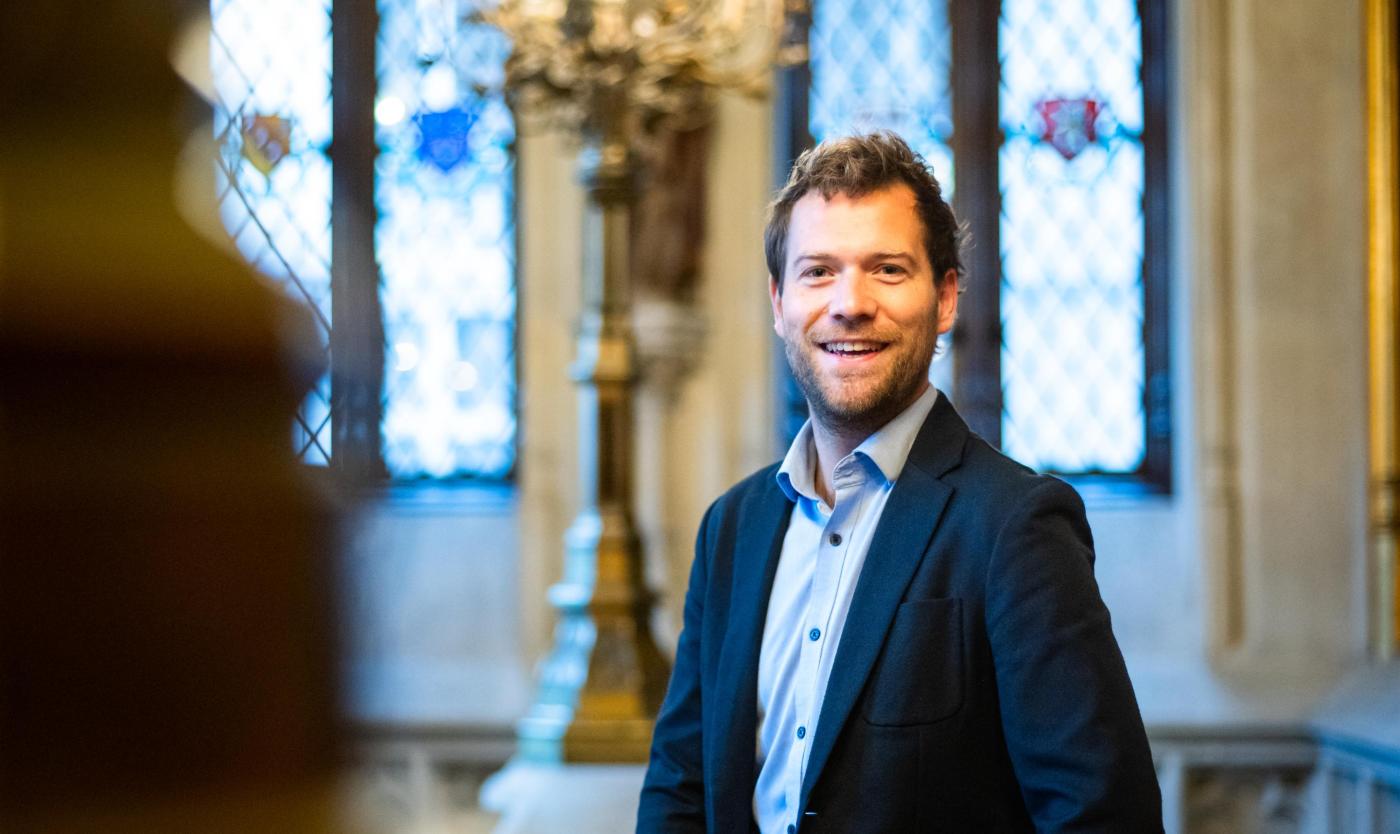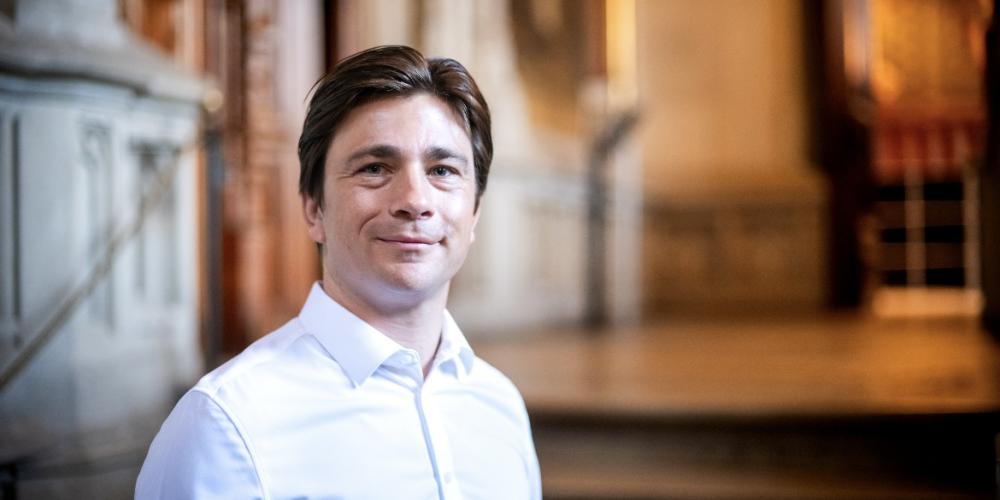


Jens Cooreman (36) studied Engineering at VUB and went on to obtain a double degree at ISAE-SUPAERO in Toulouse. Although he had always dreamed of becoming a pilot, he spent the first four years of his professional career working as an engineer in New Caledonia. Today, he flies for Air France to destinations around the world. “There’s nothing quite like the feeling of making your dream come true.”
When did you study at VUB, and which degree programme did you follow?
“I studied at VUB from 2008 to 2014, specialising in mechanical and electrical engineering. I also took part in a double-degree programme with ISAE-SUPAERO in Toulouse, a French higher education institution specialising in aerospace engineering. I spent four years at VUB, followed by another two in Toulouse, earning a full degree from both institutions.”
How important was campus life to you? What memories have stayed with you?
“I lived in student accommodation on campus, where there was a strong sense of community. We got together almost every evening and spent a lot of time with one another, whether it was playing sport, sharing meals, having a few beers or going to student parties. Campus life was great, but there was a downside: with everything on your doorstep, you’re less inclined to explore the rest of the city. As my studies progressed, though, I made up for lost time and got to know Brussels much better.”
Which professors made a lasting impression on you, and why?
“One professor who stands out is Steve Vanlanduit. I got to know him through the Shell Eco-marathon project, in which students design and build their own vehicle. He had excellent technical expertise, but above all, he knew how to motivate people. He inspired us to keep working on the project even in the evenings, long after classes had finished.”
“The international experience I gained at VUB and in Toulouse helped shape my career”
Did you have a clear idea of what you wanted to do after graduating, and did you follow that path?
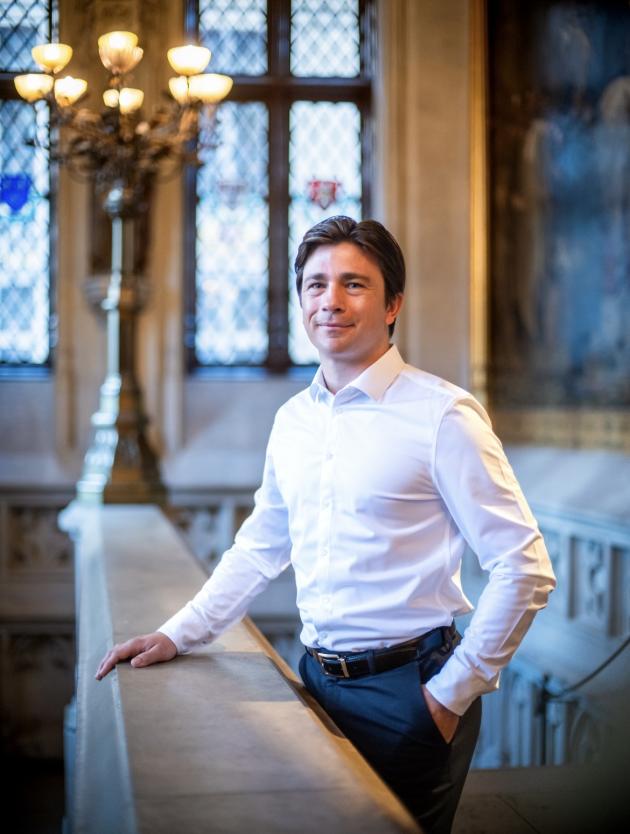
“I had always dreamed of becoming a pilot. Still, I wanted to complete my engineering degree first. I wanted to have a back-up plan, deepen my knowledge and develop other skills. After graduating, I spent four years working as an engineer for the local airline in New Caledonia, in the South Pacific. My work focused on aviation quality and safety. It was a valuable experience that allowed me to put what I had learnt during my studies into practice.
Eventually, I made the transition to a career as a pilot. I’ve been flying professionally since 2019, initially for Ryanair and ASL Belgium, and since 2022 for Air France.”
Has VUB influenced the way you think or work today?
“One of the things that shaped me was VUB’s multicultural character. You meet people from different backgrounds, nationalities and with different beliefs. That’s an enriching experience, particularly for someone like me with an international career. I learnt how to communicate easily with people from different backgrounds and appreciate different perspectives without rushing to judgement.”
What does your current role as a pilot involve?
“I currently fly Boeing 777 aircraft for Air France, operating long-haul flights. I fly to destinations around the world, from North and South America to Africa and Asia. Cities like Tokyo, New York and Rio de Janeiro. On long-haul flights, we spend at least 24 hours at our destination, sometimes even two or three days. That gives me the opportunity to explore the places I visit. I absolutely love flying. It doesn’t feel like something I have to do for a living, but rather something I genuinely enjoy doing.”
What impact does your job have on society?
“Flying has both positive and negative impacts. It’s a polluting form of transport, and we mustn’t lose sight of that. At the same time, aviation brings people together across the world. It’s not just about business travellers, but also about families who want to see one another. I see aviation as a way of connecting people.
I always try to minimise the environmental impact of each flight. As pilots, we can make various decisions to fly more efficiently. For example, we adjust our speed, altitude and aircraft configuration to suit the conditions, with the aim of minimising fuel consumption and reducing noise pollution.”
How has VUB contributed to the international dimension of your career?
“The double-degree programme took me to Toulouse, where I met new people and was able to begin my flight training. The institution had its own flying school, which gave me the opportunity to take that first step. That experience also opened doors professionally. I owe my first engineering job in New Caledonia to contacts I made through the school in Toulouse. Without my studies at VUB, I might never have ended up there. One thing really did lead to another.”
How do you try to make a difference in society today?
“In my day-to-day job, I do that by flying as efficiently as possible and minimising the environmental impact of each flight. I also volunteer with Humanitarian Pilots Initiative, an organisation of pilots dedicated to helping people in distress. One of its projects focuses on migrants attempting to cross the sea, primarily the Mediterranean and the Atlantic Ocean. We use small aircraft to carry out aerial patrols and look for people in distress. When we spot someone in need of assistance, we relay their location to the coastguard and the relevant rescue services so they can intervene. It’s a way for us to make a difference from the air.”
“Technological progress is valuable, but human expertise remains essential”
To what extent is AI changing the way you work? What has become easier, and what has become more challenging?
“AI can reduce our workload and give us faster access to information. Technology can also play a role in optimising fuel consumption. As an engineer, I’m a strong advocate of technological innovation. At the same time, we need to remain critical. Any system can fail or make mistakes. You should never become so reliant on technology that you no longer know how to respond when it’s unavailable. As a pilot, you need to keep your fundamental flying skills sharp.
I also don’t think AI will completely replace pilots any time soon. There are many human factors at play in a cockpit. Imagine a passenger becoming seriously ill or an unexpected situation arising. You need to assess what’s happening and make decisions, such as whether to divert to another airport. In aviation, having a back-up is essential. Systems can fail, and people can become incapacitated. There always needs to be someone who can step in if something goes wrong.”
What’s your single most important piece of advice for students graduating today?
“If there’s something you truly dream of doing, go for it. I spent several years working as an engineer before pursuing a career as a pilot. The feeling of making your dream come true is incredible. If there’s something you really want to try, take the leap and see where it takes you.”
And what advice would you give specifically to engineering students?
“An engineering degree teaches you how to solve problems and think critically. Those are skills you can draw on not only in your professional career, but also in your personal life. You learn to analyse problems, weigh up different options and find solutions. My advice to students would be to take that mindset with them wherever life leads.”