

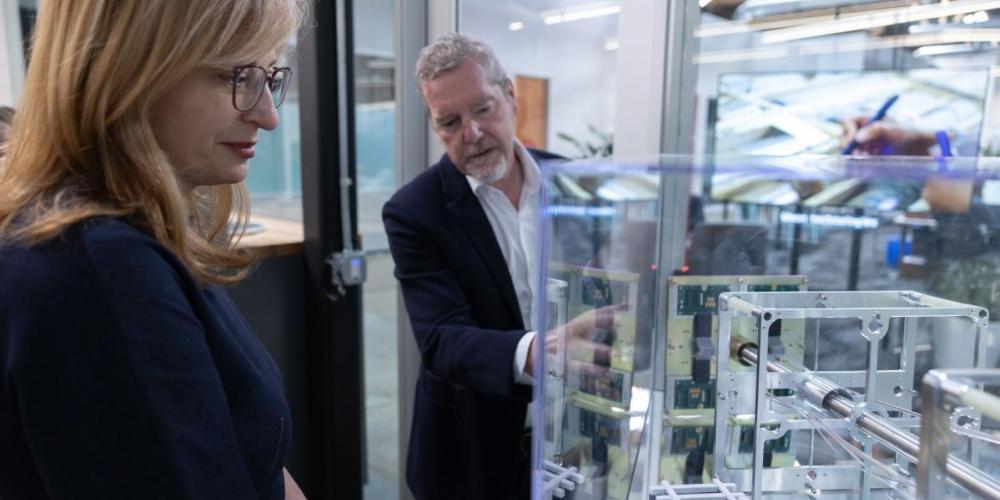


Five researchers at VUB have secured a prestigious ERC Starting Grant. Such a grant from the European Research Council is among the most sought-after research funding schemes in the world and gives early-career researchers the opportunity to develop their own research line over a period of five years. These are the five projects that convinced Europe.

Cleaner combustion for a sustainable future
Aurélie Bellemans
"Clean fuels only have an impact if we can use them reliably."
With an ERC Starting Grant, Professor Aurélie Bellemans aims to investigate how plasma can help fuels burn more cleanly and efficiently. Bellemans is a civil engineer and affiliated with FLOW, a research group that studies the flow of liquids and gases using advanced computer simulations. For the transition to a climate-neutral society, new fuels such as hydrogen and ammonia are often cited as alternatives to fossil fuels. However, they are not always easy to burn in a stable manner. Researchers are therefore looking at plasma, an electrically charged gas that can accelerate chemical reactions and provide greater control over flames. FLOW is part of FACT, Flanders Alliance for Climate Technology.
Through her ESCAPADE project, Bellemans wants to develop a digital model that precisely predicts what happens during such processes. This should help engineers design new, cleaner combustion systems more quickly and reliably.
Website FLOW
Everyday Resistance in Brussels and Lviv (Ukraine) during the Second World War
Nel de Mûelenaere
“Resistance sometimes begins with a small gesture.”
Professor of Contemporary History Nel de Mûelenaere has been awarded an ERC Starting Grant for EVERYDAY REBELLIONS. Through this project, she turns her attention to a neglected form of resistance during the Second World War: small, everyday acts of care and creativity. De Mûelenaere is affiliated with SHOC (Social History of Capitalism), a research group where historians examine how major societal transformations have shaped everyday life. Her own research focuses on occupation, aid, and resistance during the First and Second World Wars. Traditional historiography has largely focused on the more visible forms of organised and armed resistance. According to De Mûelenaere, however, resistance also manifested itself in more subtle ways: singing a banned song, writing a message on a wall, or sharing food with someone in hiding. Drawing on diaries, letters, testimonies and government archives, she aims to uncover how people resisted Nazi and Soviet occupiers in Brussels and Lviv (Ukraine) during the Second World War through such seemingly small acts.
Website SHOC

Forgotten voices in the Mediterranean
Christina Bezari
"I want to give forgotten voices a place in history.”
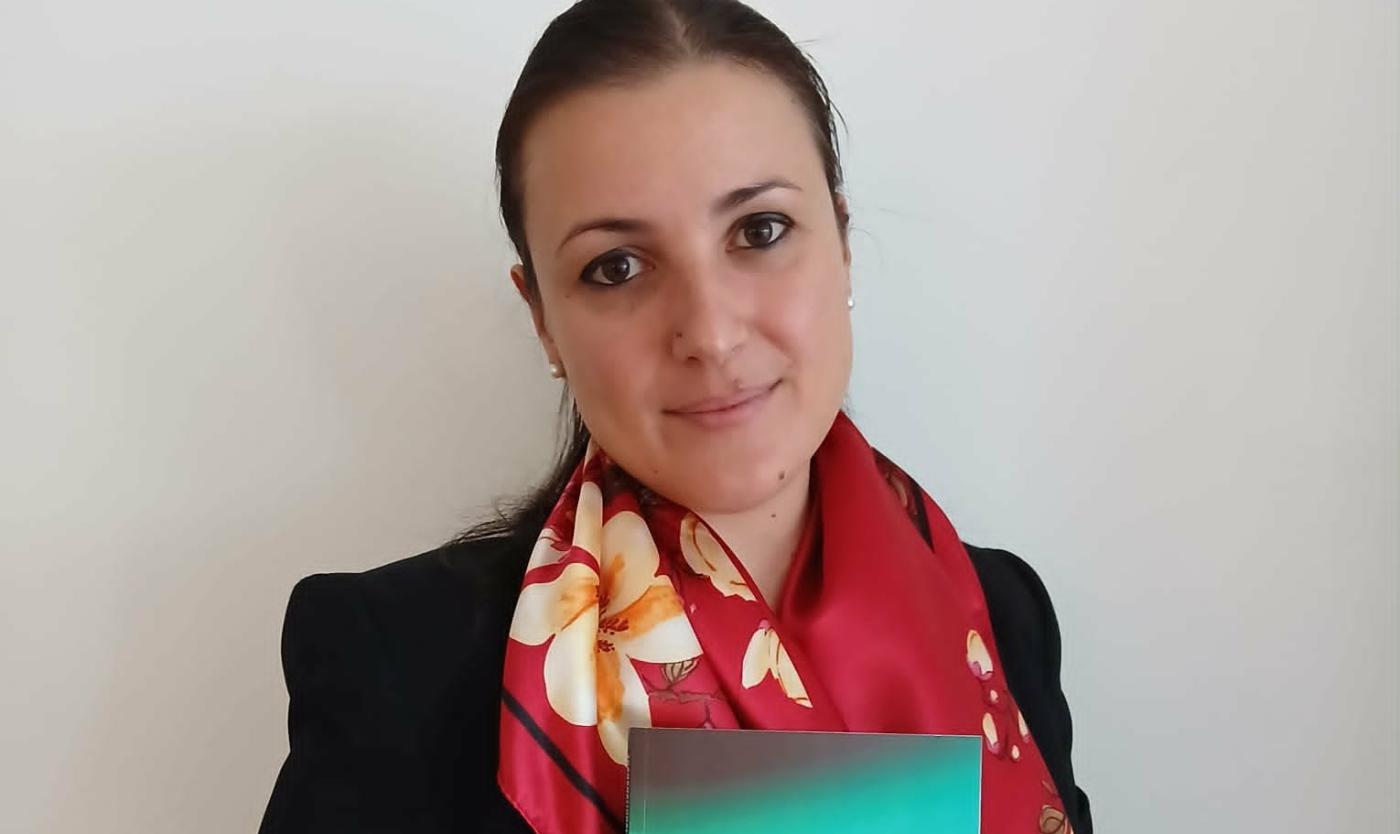
Christina Bezari has been awarded an ERC Starting Grant for her project MEDWON, which examines the active role of women in shaping social and political debates across Southern Europe and North Africa (1912–1995).
Although censorship, colonial rule and dictatorships gradually erased women’s voices from the collective memory, the MEDWON team aims to conduct research in public libraries, private archives and periodical collections in order to create the first trans-Mediterranean corpus of female-authored texts in multiple languages: Greek, Arabic, French, Spanish, Italian, Portuguese. These texts will be brought together in a digital database that documents women’s contributions to anti-colonial and anti-fascist networks throughout the twentieth century.
In the coming months, Professor Bezari will join CLIC, VUB's Centre for Literary and Intermedial Crossings, where researchers examine the circulation of stories, ideas and texts across languages, countries and media.
Website CLIC
A network of lasers on a single chip
Pablo Marin-Palomo
"A single chip with interconnected lasers could make tomorrow’s technologies more compact and energy efficient."
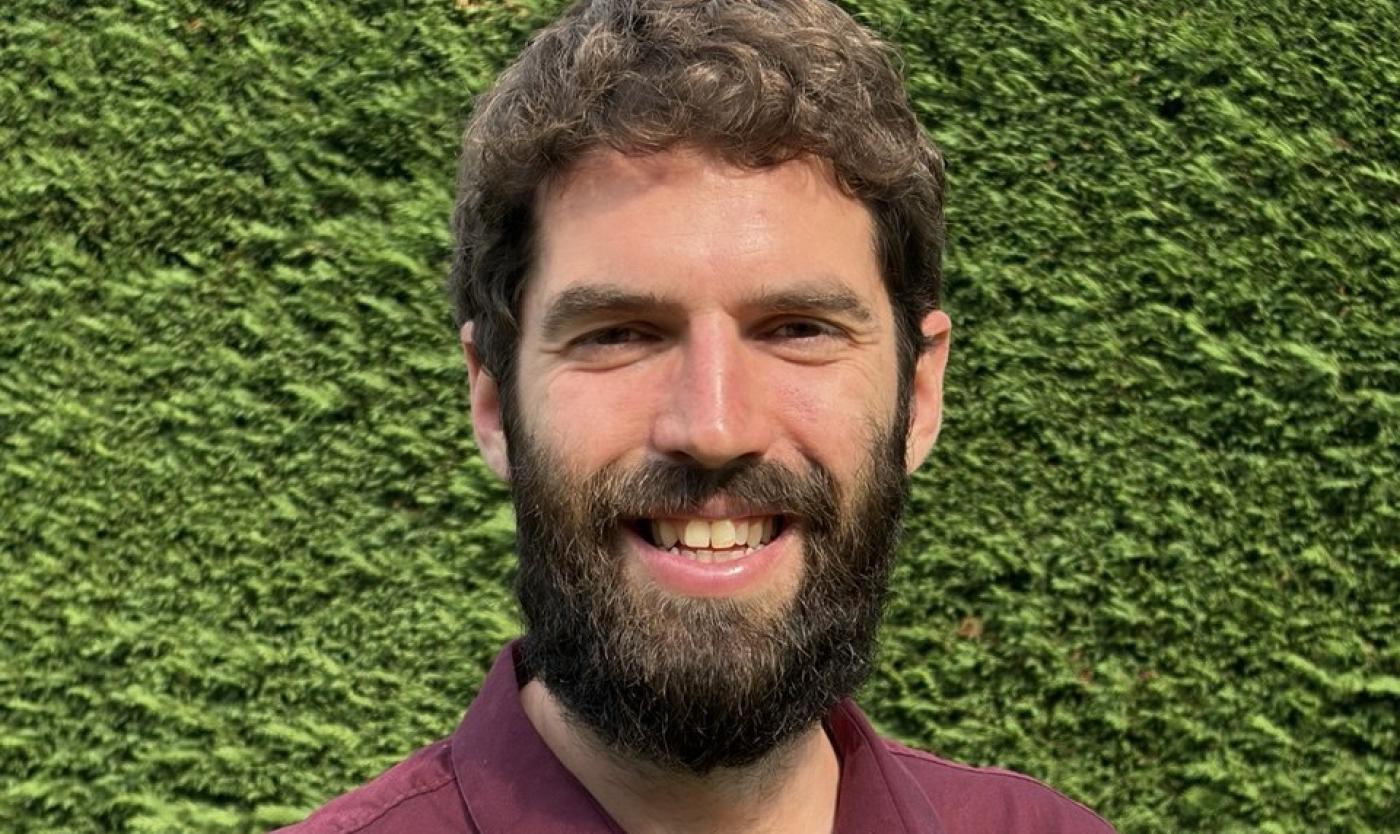
Professor Pablo Marin-Palomo has been awarded an ERC Starting Grant for COMBYNE, a project in photonics, the technology of light. He is part of B-PHOT, VUB's Brussels Photonics Team at the faculty of Engineering, an internationally renowned research group that develops photonic technologies for communications, sensing, healthcare and other high-tech sectors. At the heart of the project is the optical frequency comb, a light source producing not just one, but dozens or even hundreds of evenly spaced colours of light simultaneously. Optical frequency combs are used in ultra-precise measuring instruments, astronomical observations and data communications. Today, many optical frequency combs rely on several components that must be carefully combined. Marin-Palomo aims to develop an alternative that turns the interaction between lasers into an advantage, allowing them to operate as a coordinated network on a single chip. If successful, this could enable more powerful and energy-efficient light sources for applications ranging from data centres to scientific instruments.
Website B-PHOT
What happened at the beginning of time?
Andreas Blommaert
"To understand the origin of the universe, we need a fundamental understanding of gravity at the quantum level"
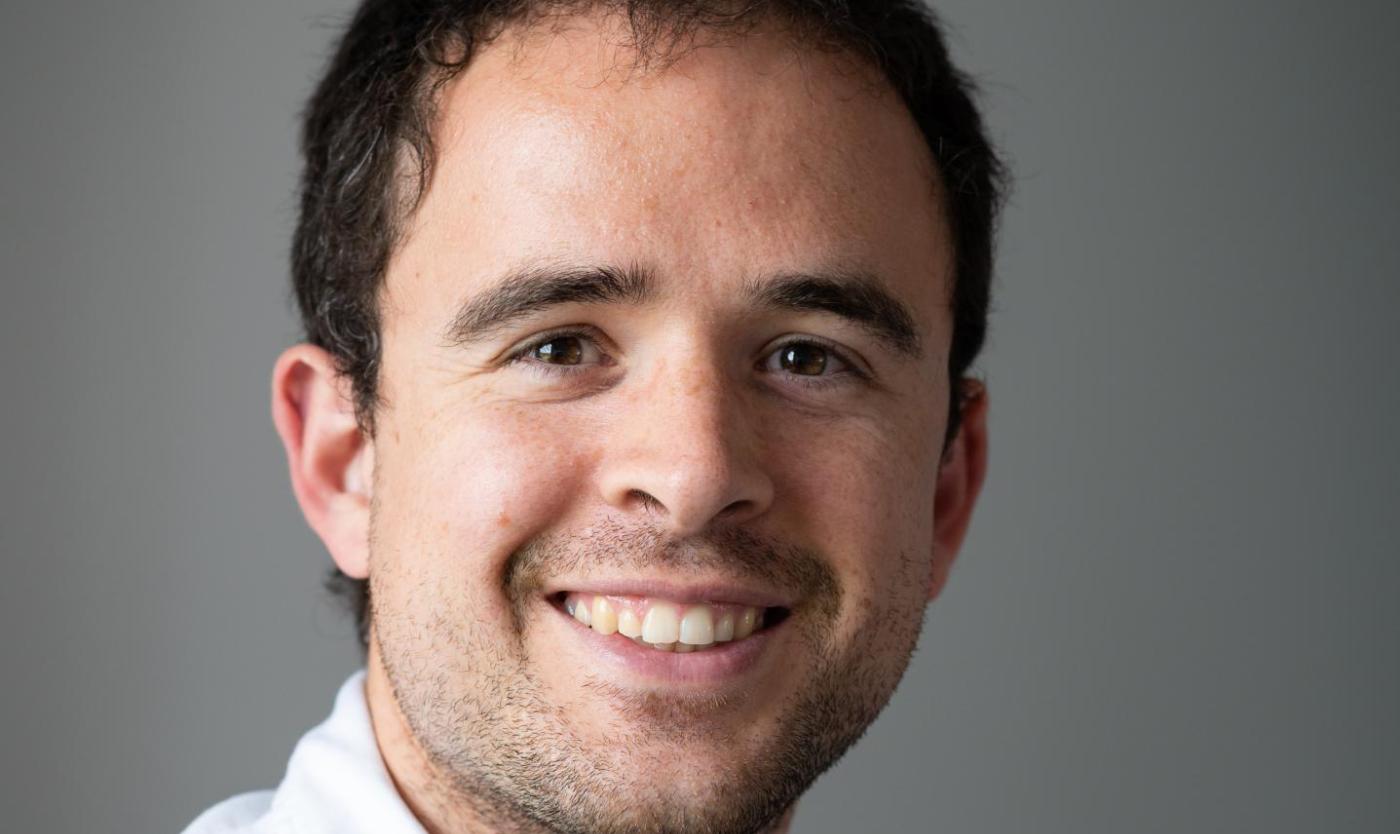
The fifth ERC Starting Grant was awarded to theoretical physicist Andreas Blommaert for the project HOLOVERSE. The grant application was submitted with VUB as the host institution, although Blommaert will ultimately carry out the research elsewhere. The ERC nevertheless considers VUB to be the host institution at the time of application. Blommaert investigates one of the biggest questions in physics: what happened at the origin of the universe? To answer this question, scientists need to reconcile two theories that remain difficult to combine today: Einstein's theory of gravity and quantum mechanics. With HOLOVERSE, he aims to further develop a new theoretical model that uses so-called holographic descriptions of the universe. Such models can help physicists understand situations in which the known laws of nature break down, such as the very first moments after the Big Bang or the interior of a black hole. The project is expected to generate new insights into the fundamental building blocks of space, time and gravity.
Website Andreas Blommaert
European Research Council Grants
European Research Council Grants (ERC Grants) are among the most prestigious research grants in Europe. They support groundbreaking fundamental research. An ERC Grant can amount to several million euros and typically runs for five years. There are different types of grants. Starting Grants are intended for promising early-career researchers and are worth up to €1.5 million. Consolidator Grants support researchers who wish to strengthen their research line and are worth up to €2 million. Advanced Grants are aimed at established scientists with an outstanding track record and are worth up to €2.5 million. Synergy Grants fund teams of leading scientists tackling a major challenge together and are worth up to €10 million. Proof of Concept Grants help translate ERC-funded research into applications and are worth up to €150,000.