

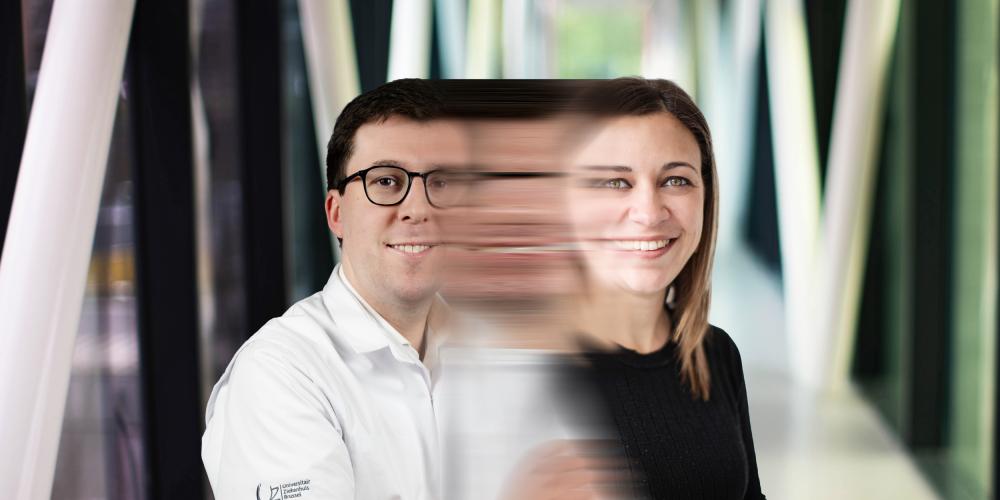


June is Immunotherapy Month, and as the VUB is a global player in the development of this form of treatment, we spoke to two experts about the latest developments in the field. How is this still relatively young discipline evolving? How do patients view it? And how does collaboration between academia and clinical practice work in reality? Every day, our immune system identifies and eliminates abnormal cells – including cancer cells. Yet some tumours manage to evade these natural defences. Immunotherapy seeks to overcome exactly that challenge: not by attacking the cancer directly, but by reactivating the body's own immune response. At the VUB and UZ Brussel, researchers and clinicians are working more closely together than ever before. This interaction between laboratory and hospital is producing not only new scientific insights, but also new treatments that offer greater hope to patients with cancers that are difficult to treat.
From patient to laboratory — and back again
One of the great strengths of Vrije Universiteit Brussel and its university hospital, UZ Brussel, is the close collaboration between researchers and physicians. New insights emerge not only in the laboratory, but often at the patient's bedside. Scientists refer to this process as translational research: a continuous exchange between clinical practice and scientific investigation. Observations made by doctors are explored further in the laboratory, while discoveries from the laboratory are translated back into new treatments. A concrete example comes from research into glioblastoma, a particularly aggressive form of brain cancer. During an ongoing clinical trial at UZ Brussel involving, among other approaches, the local administration of immunotherapy, researchers discovered that a specific molecular characteristic of the tumour was associated with a poorer prognosis. This finding prompted further research into an additional treatment designed to block that particular response. “That direct interaction between clinical practice and research is absolutely crucial,” says Xenia Geeraerts, cancer researcher at the VUB. “It allows us to understand why certain patients do not respond to treatment and to develop new therapies that can overcome that resistance.”
“In blood cancers, CAR T-cell therapy is already delivering remarkable results. In solid tumours such as brain cancer, the challenge remains greater”
A new generation of cell therapy
One of the most promising developments is the emergence of so-called CAR T cells. In this approach, a patient's immune cells are genetically modified to better recognise and destroy tumour cells. For blood cancers, the technology is already producing impressive results. Solid tumours, such as brain cancer, remain more difficult. Tumours create complex protective barriers that either prevent immune cells from reaching them or exhaust them once they arrive. That is why Xenia is currently working on new generations of CAR T-cell therapies for glioblastoma and, more broadly, melanoma. “We are trying to direct these cells towards carefully selected targets and enhance them so that they can be activated in a controlled manner, remain active for longer, reach tumours more effectively and become exhausted less quickly,” she explains. “These are some of the major challenges facing the field today.”
This work is not carried out in isolation. Xenia is part of TORC (Translational Oncology Research Center), the multidisciplinary cancer research centre jointly run by the VUB and UZ Brussel. TORC brings together fundamental, translational and clinical cancer research, covering everything from the detection of early and residual disease to treatment, patient care and quality of life. Such an integrated approach is essential as therapies become increasingly sophisticated. Researchers are also increasingly willing to combine different treatment strategies.
“Today we combine immunotherapy with chemotherapy, with other forms of immunotherapy and with new targeted therapies,” says medical oncologist Gil Awada of UZ Brussel. “For several cancer types, these combinations are producing better outcomes than any single treatment on its own. The field is advancing so rapidly that even specialists can no longer keep up with every new study in detail. Over the past fifteen years, there has been an enormous explosion of data and new insights,” says Gil. “As a result, researchers and clinicians increasingly focus on their own areas of expertise while still trying to stay informed about wider developments. Sometimes a breakthrough in lung cancer proves relevant for brain cancer or melanoma — and vice versa.”
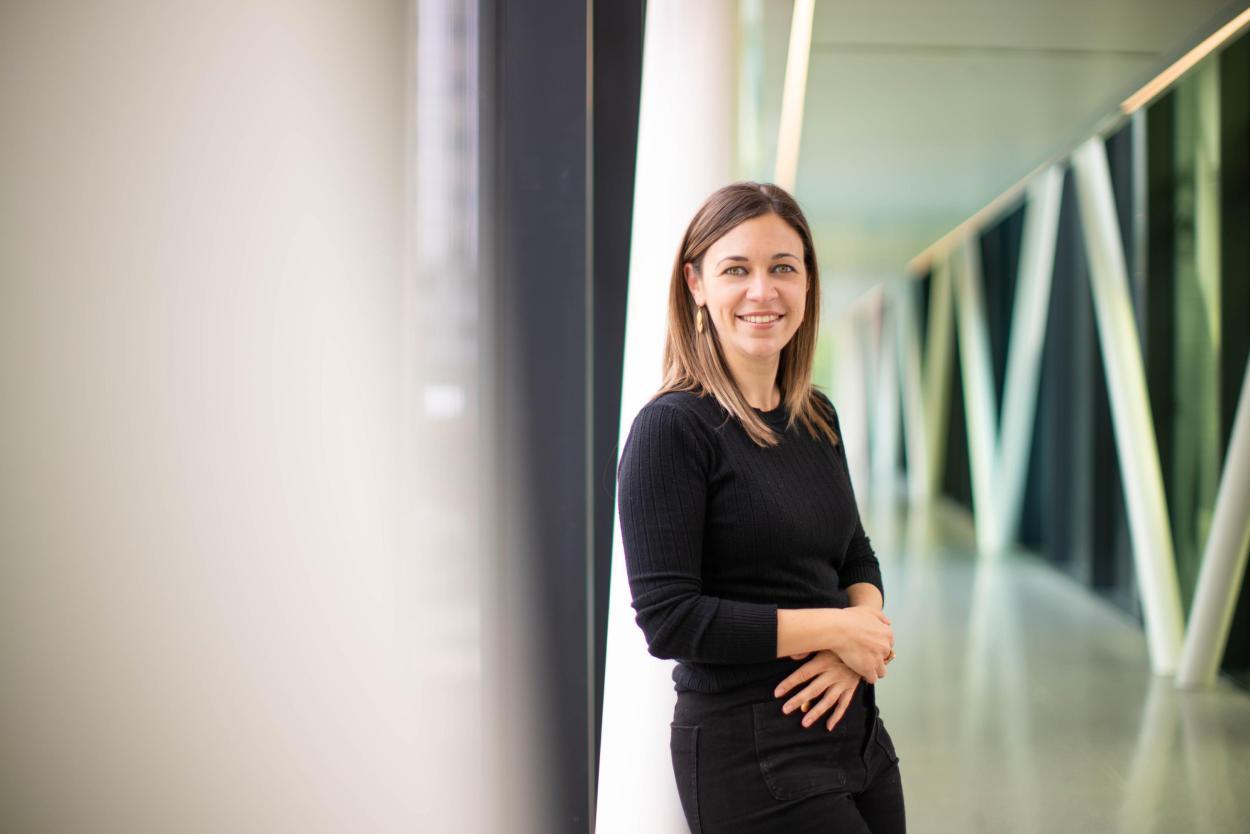
Xenia Geeraerts
“It is important that patients fully understand both the potential benefits and the risks of immunotherapy”
Biomarkers
One of the fastest-growing areas within immunotherapy research is the search for predictive biomarkers: biological characteristics that can indicate whether a patient is likely to respond to a particular treatment. At present, many patients receive immunotherapy even though only some will actually benefit from it. This means not only that patients may gain little from treatment, but also that they may be exposed unnecessarily to side effects while generating avoidable healthcare costs. “If we can predict in advance who will respond and who will not, we can use treatments much more effectively,” says Gil. “That is likely to be one of the biggest challenges of the coming years.” Although immunotherapy has already transformed cancer care, the field is still in its relative infancy. New cell therapies, intelligent treatment combinations and increasingly sophisticated biomarkers are expected to make the immune system an even more powerful weapon against one of the human body's most formidable adversaries.
Patients are on board
Fifteen years ago, immunotherapy was still regarded as a relatively new and experimental treatment. Today, it has become a familiar concept for many patients. “Most people are remarkably open to it,” Gil observes. “If we can demonstrate through large clinical studies that a treatment offers clear benefits for their type of cancer, patients are usually willing to consider it.” That does not mean there are no concerns. “Like any cancer treatment, immunotherapy can cause side effects, some of them serious. That is why open discussion remains essential. Patients need to understand both the potential benefits and the risks,” he stresses. At the same time, he notes that increasing numbers of patients ask about immunotherapy themselves.
“Because of the extensive media coverage, many patients are already familiar with the concept. Some specifically request it, even in cases where research has not yet demonstrated a benefit for their particular cancer type.”
“A healthy lifestyle remains important, but it cannot replace scientifically validated therapies”
Recovery does not happen by itself
Does the success of immunotherapy mean that the body can simply overcome cancer on its own, as some alternative practitioners claim? The researchers make a clear distinction. “There is no doubt that the immune system plays a crucial role in identifying and eliminating abnormal cells,” says Gil. “But when cancer develops, that means the tumour has already succeeded in evading those natural defence mechanisms.” Immunotherapy therefore does not work by simply letting the body take care of itself. Instead, it strengthens, activates or redirects the immune system in a highly targeted way. “This approach is built on decades of fundamental research and clinical studies,” adds Xenia. “It is not simply a matter of giving the immune system a boost. It requires a precise understanding of the mechanisms tumours use to escape immune surveillance and intervening accordingly.”
That does not mean lifestyle is unimportant. Quite the opposite. A healthy diet, regular exercise, avoiding smoking and maintaining a healthy weight have all been shown to reduce the risk of various cancers and improve overall health. “But healthy living alone is not enough to cure an existing cancer,” says Gil. “Cancer is an extraordinarily complex disease. A healthy lifestyle remains important both for prevention and during treatment, but it cannot replace scientifically validated therapies.”
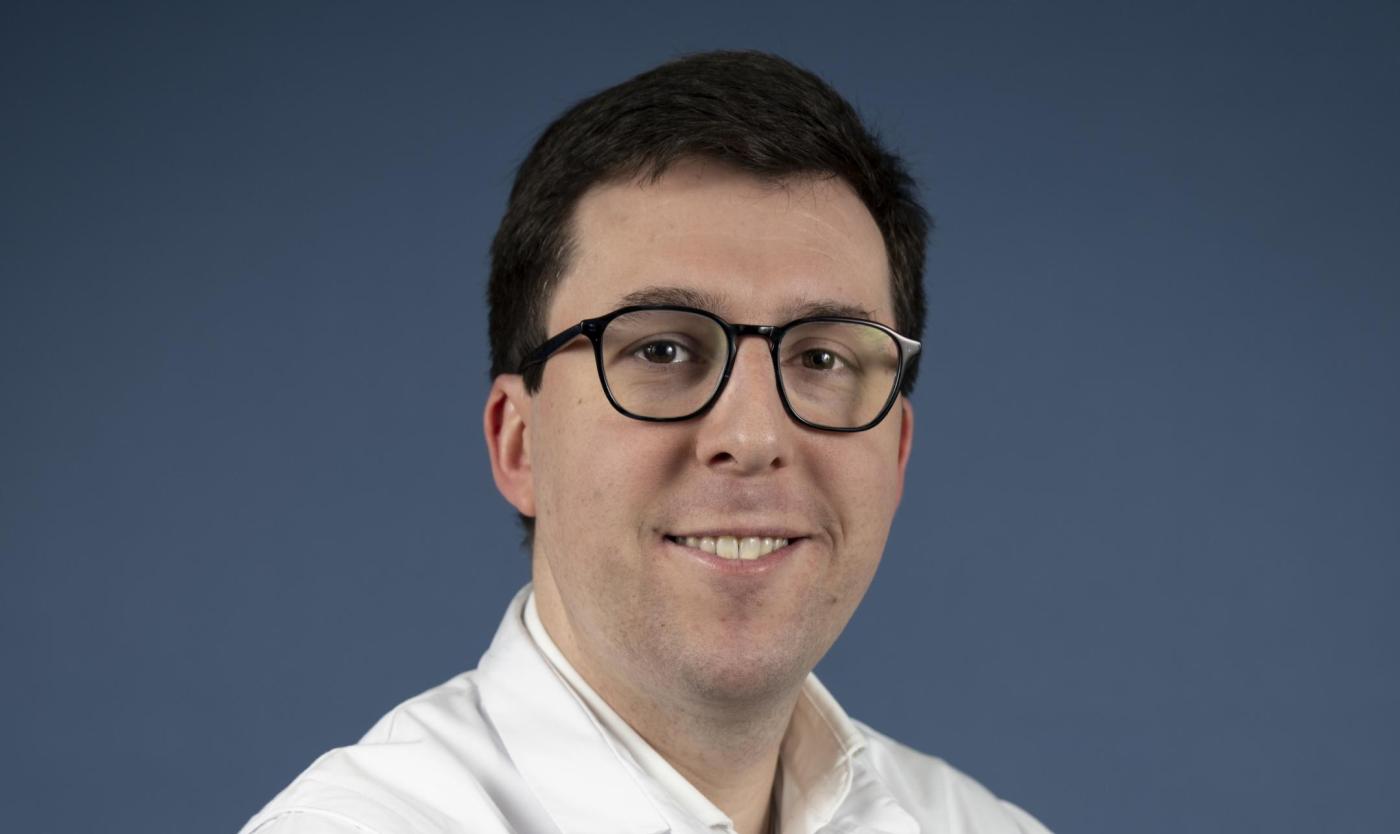
Gil Awada
How does immunotherapy work?
Our immune system is naturally capable of recognising and neutralising abnormal cells. In fact, scientists believe that many early-stage tumours are eliminated before we ever become aware of them. Some cancer cells, however, manage to hide from these defences.
“Cancer cells effectively create an environment in which immune cells no longer feel welcome,” explains Xenia Geeraerts. “They activate mechanisms that suppress the immune response. Immunotherapy seeks to remove those brakes again.” This can be achieved in a variety of ways, including antibodies, genetically modified immune cells, oncolytic viruses (viruses specifically designed to infect and destroy cancer cells without harming healthy tissue), cancer vaccines and other technologies. “It is not a single treatment,” says Xenia. “It is an entire family of treatments.”
Although immunotherapy is often presented as a recent breakthrough, its roots stretch back surprisingly far. At the end of the nineteenth century, American surgeon William Coley observed that tumours in some patients shrank after severe bacterial infections. This led him to suspect that the immune system might play a role in combating cancer. Scientists only began to understand how the immune system recognises and destroys cancer cells in the 1950s. The first forms of immunotherapy reached patients in the 1970s. The major breakthrough came later, when researchers gained a deeper understanding of how tumours actively disable immune responses. These discoveries ultimately led to the development of checkpoint inhibitors, a form of immunotherapy that contributed to the awarding of the 2018 Nobel Prize in Physiology or Medicine to immunotherapy pioneers James P. Allison and Tasuku Honjo.
“What we call immunotherapy today is really a toolbox containing many different treatments,” says Xenia. “And that toolbox grows larger every year.” As a result, immunotherapy has evolved in little more than fifteen years from a promising research avenue into one of the cornerstones of modern cancer care.
Do you want to contribute to this research? Translational Oncology Research Centre | Vrije Universiteit Brussel
Bio Xenia Geeraerts
Xenia Geeraerts is a bioengineer and postdoctoral cancer researcher at the VUB specialising in tumour immunology and immunotherapy. After studying bioengineering with a specialisation in medical cell and gene biotechnology, she completed a PhD on the role of lactic acid in immune cells within the tumour microenvironment. Her doctoral research earned several distinctions, including a prestigious L’Oréal–UNESCO For Women in Science Fellowship. Today, she contributes to innovative research projects on CAR T-cell therapy and glioblastoma, with the aim of developing new immunotherapies for patients with limited treatment options.
Bio Gil Awada
Gil Awada is a medical oncologist at UZ Brussel and a researcher affiliated with the Translational Oncology Research Center. His research focuses on breast cancer, melanoma, immunotherapy and the identification of biomarkers that can help personalise cancer treatments. Awada has published internationally on innovative forms of immunotherapy and leads research projects examining the role of immune cells in aggressive breast cancers. In 2025, he received a major grant from Kom op tegen Kanker for a clinical study investigating more personalised treatment strategies for patients with triple-negative breast cancer.