

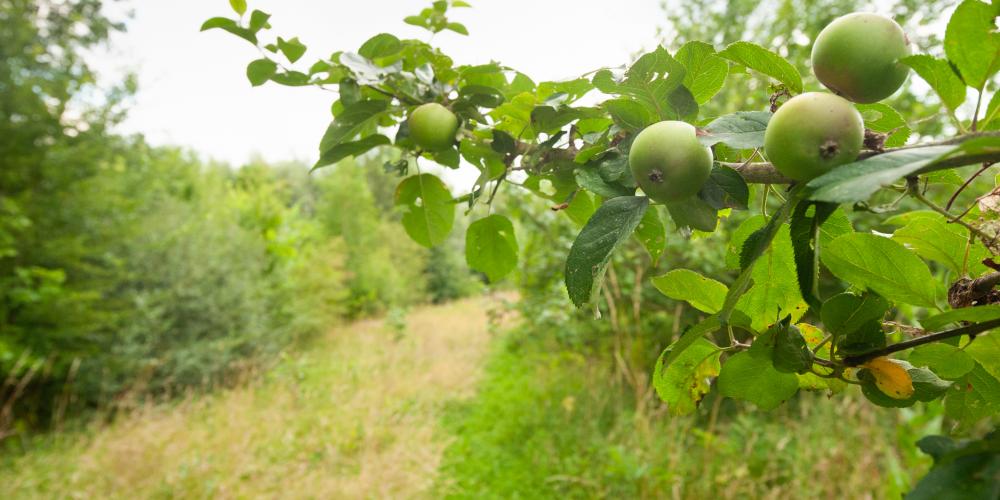


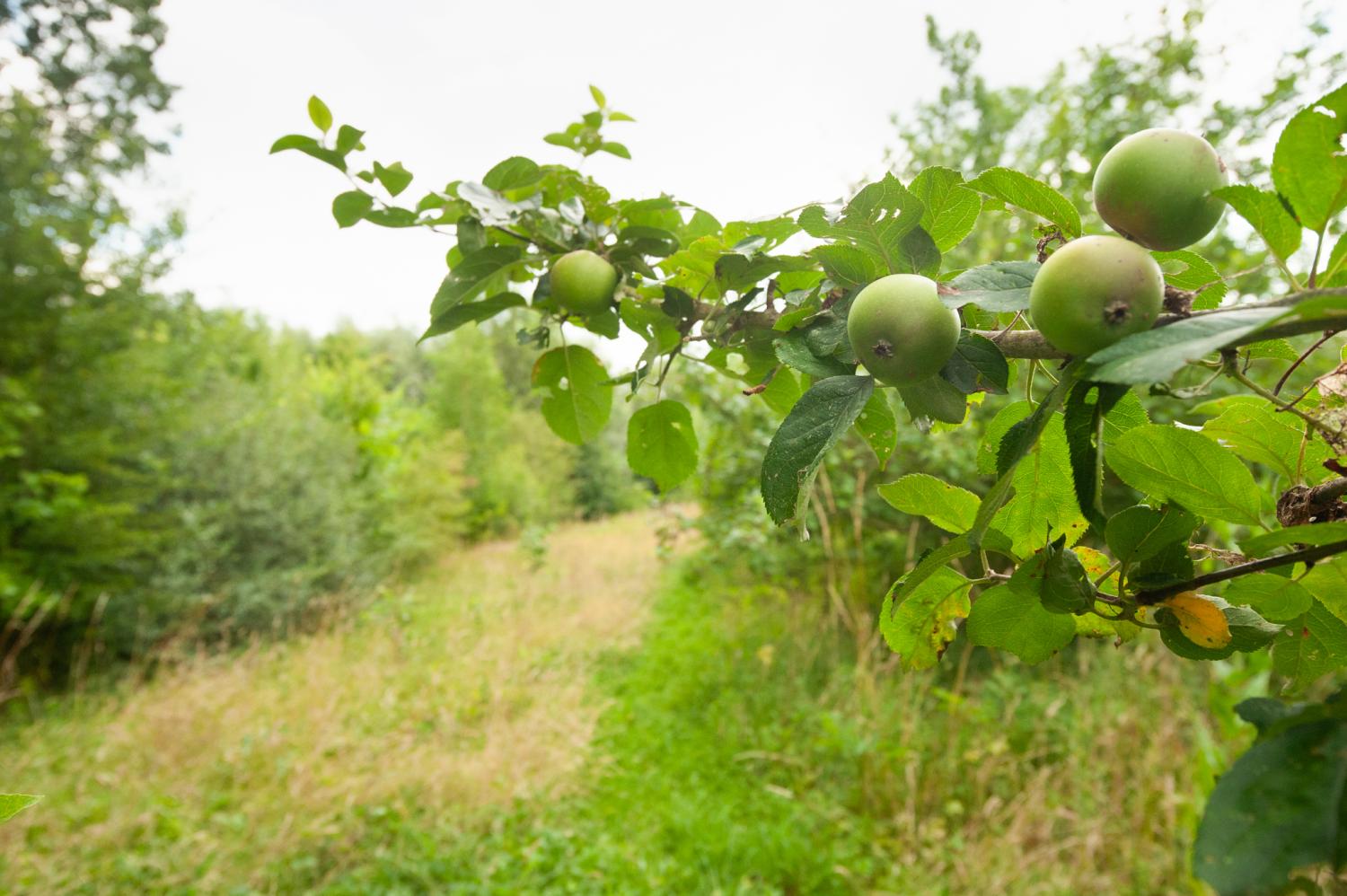
Agriculture and biodiversity restoration do not have to be at odds. A new study by the WILD research group at the Vrije Universiteit Brussel (VUB) and UCLouvain, published in the renowned scientific journal Biological Conservation, demonstrates that agriwilding—a form of nature-inclusive farming—can successfully combine food production with biodiversity restoration.
The researchers studied a 15-year-old agriwilding system in Flanders, Belgium, and compared its biodiversity with that of conventionally managed farmland and nearby nature reserves. Despite covering only two hectares, the agriwilding system supported a remarkably rich community of butterflies and moths. The findings suggest that agriwilding could provide a promising complement to conventional nature restoration measures in agricultural landscapes. With appropriate policy support, farmers could actively restore and manage biodiversity while keeping their land productive, reducing the need to take farmland out of production to achieve conservation goals.
Agriculture and biodiversity under pressure
Global biodiversity loss continues at an alarming pace. Over the past 50 years, average wildlife population sizes have declined by approximately 75%. Similar trends are evident in Flanders, Belgium, where recent assessments have shown that around two-thirds of bumblebee species are now threatened or have disappeared, while butterfly populations have been declining for decades.
Modern agricultural practices are widely recognized as one of the major drivers of biodiversity loss. This raises a pressing question: how can food production be reconciled with the urgent need to restore nature?
What is agriwilding?
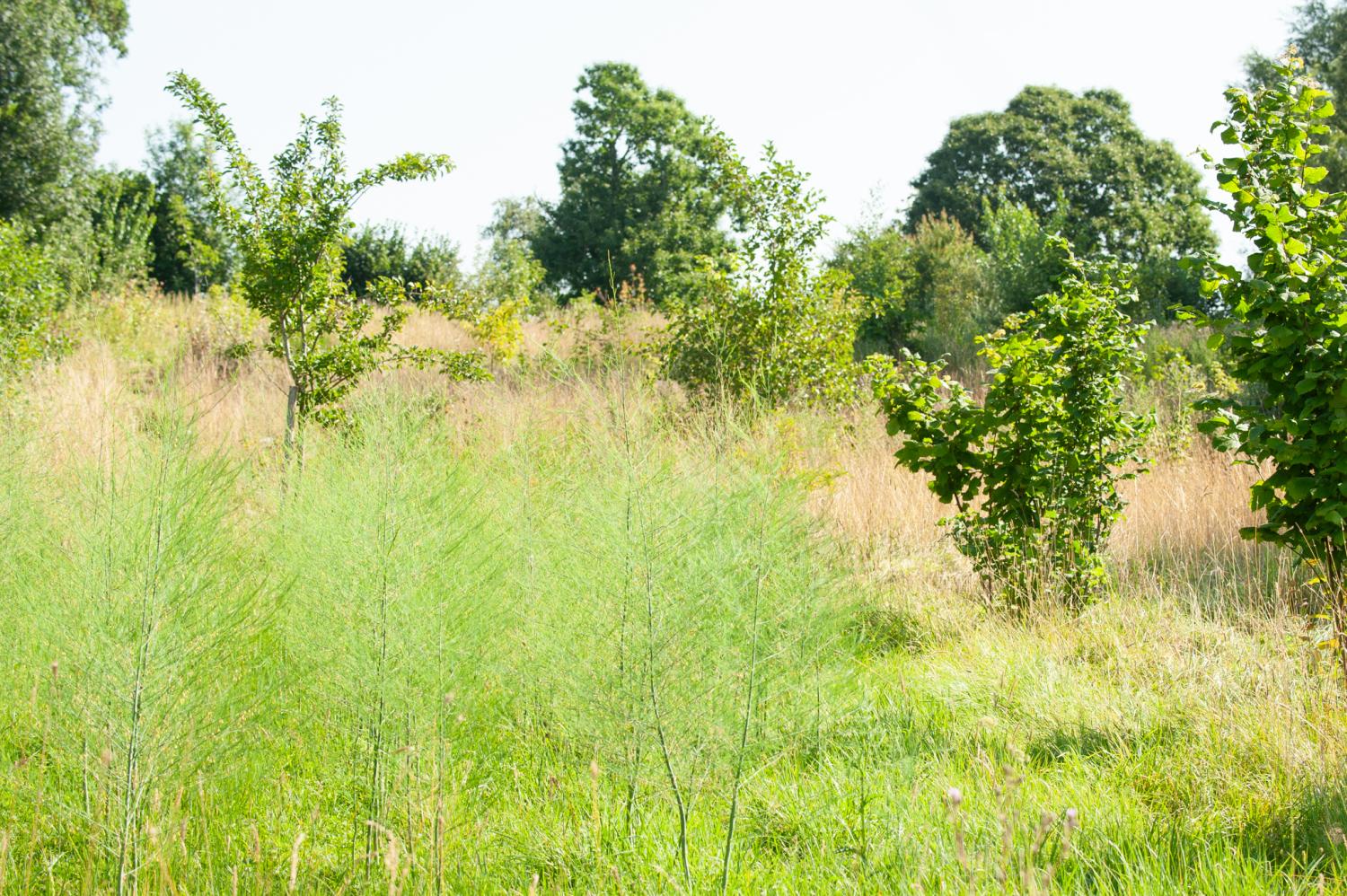
Agriwilding is an agricultural approach that integrates food production with ecosystem restoration. Instead of relying on annual monocultures, agriwilding systems consist of diverse mosaics of perennial food crops, fruit and nut trees, shrubs, species-rich grasslands, and small landscape features such as ponds and swales.
By minimising soil disturbance and making greater use of natural ecological processes, agriwilding creates productive farming systems that also provide habitat for wildlife. Permanent vegetation cover reduces soil erosion, increases carbon storage, and promotes healthy soil communities. Native wild plants are allowed to coexist alongside crops, creating structurally diverse landscapes that support a wide range of plant and animal species.
Remarkable recovery of butterflies and moths
Over several years, the researchers surveyed butterflies and moths in ‘De Wildernis’, a two-hectare agriwilding system established 15 years ago. They compared these communities with those found in conventionally managed farmland and nearby protected nature areas.
"Our study demonstrates that farmland does not inevitably have to come at the expense of biodiversity. With a different design and management approach, agriculture can become an important driver of ecological restoration," says Fien Debusscher, PhD researcher at Vrije Universiteit Brussel and first author of the study, which has just been published in the international journal Biological Conservation.
The results were striking. The agriwilding system supported 30 of the 39 butterfly species recorded in the surrounding region—more species than were found in either conventionally managed farmland or the surveyed rural nature reserves. For moths, species richness matched that of the nature reserves, but the species composition differed substantially, suggesting that agriwilding creates habitat for species that are scarce or absent elsewhere.
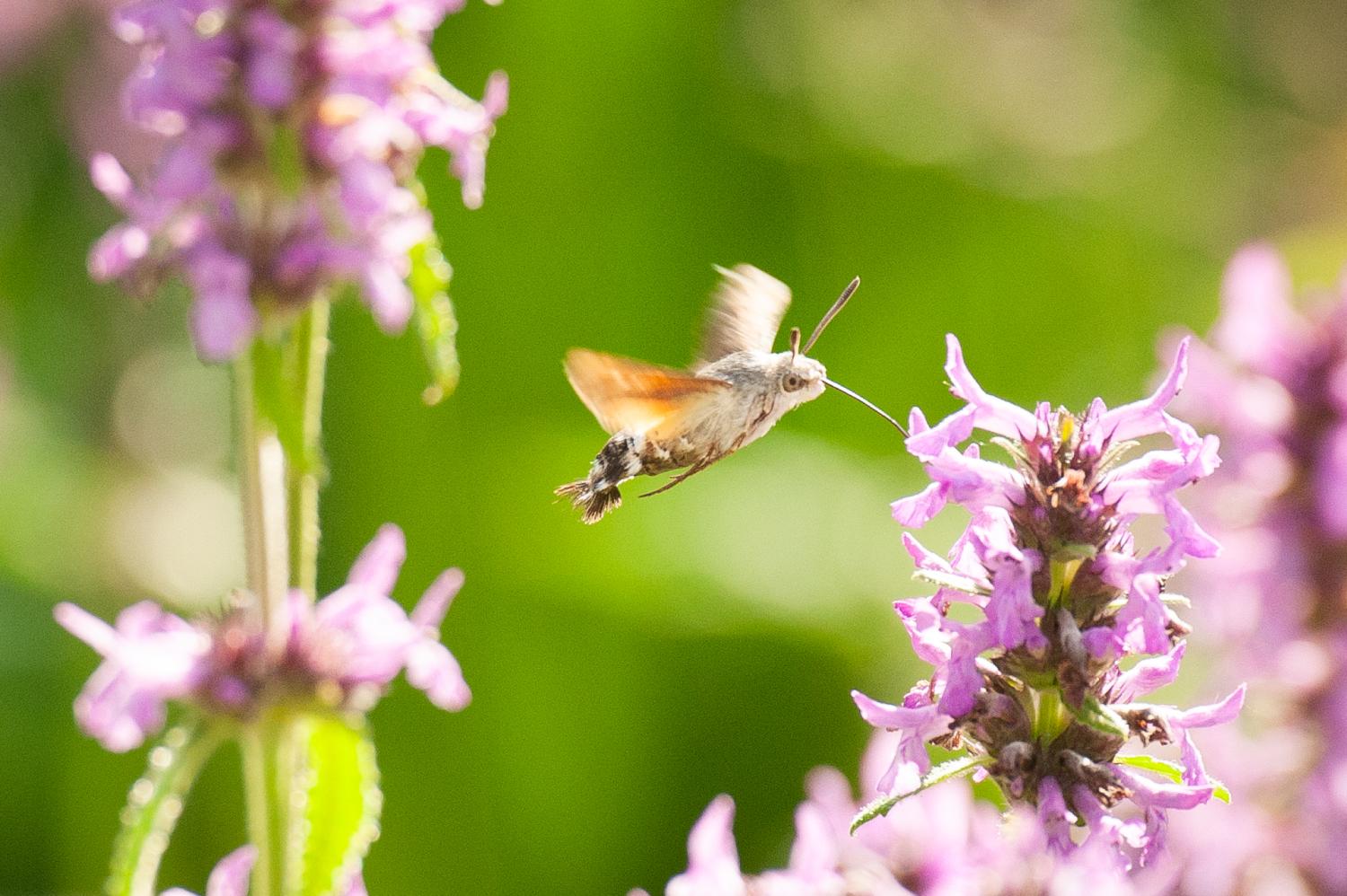
The researchers also recorded up to six times more individual butterflies and moths in the agriwilding system than in conventional farmland. The system therefore supports not only a greater diversity of species but also substantially larger populations. According to the researchers, this remarkable increase in biodiversity is primarily driven by the combination of perennial vegetation, trees and shrubs, flower-rich grasslands, and low levels of disturbance.
Implications for European agricultural policy
The findings also have important implications for agricultural policy. Current agri-environment schemes often compensate farmers for implementing temporary conservation measures or for taking farmland out of production to create natural habitat. Agriwilding offers an alternative approach in which food production and biodiversity restoration occur simultaneously."Agriwilding is not a replacement for protected natural areas, but it can be an important complement in agricultural landscapes where space for nature is limited", says Professor Franky Bossuyt, who supervised the PhD research.
With targeted financial incentives, farmers could restore biodiversity while maintaining economically viable farms. The researchers therefore argue that agriwilding deserves consideration within the European Union's Common Agricultural Policy. Supporting biodiversity-rich perennial farming systems could help agriculture and nature reinforce one another, particularly in intensively farmed regions where opportunities for expanding protected nature are limited.
Although further research is needed to evaluate large-scale implementation, these first results suggest that agricultural land has far greater potential to contribute to biodiversity restoration than is often assumed. Agriwilding offers a promising vision for the future of farming—one in which food production and nature conservation are not competing objectives, but mutually reinforcing ones.
Open Access publication: Fien Debusscher, Frederik Van Den Eeckhaut, Joke Baekeland, Hans Van Dyck, Thomas Merckx & Franky Bossuyt (2026) Agriwilding substantially restores butterfly and moth diversity in a European agricultural landscape, Biological Conservation, 321, 111965: https://doi.org/10.1016/j.biocon.2026.111965
Contact:
Fien Debusscher: +32477459855, fien.debusscher@vub.be
Franky Bossuyt: +32470198229, franky.bossuyt@vub.be
Pictures (by Franky Bossuyt)
1. Agriwilding system “De Wildernis”.
2. Green asparagus cultivation in agriwilding system “De Wildernis”.
3. A hummingbird hawk-moth in “De Wildernis”.