

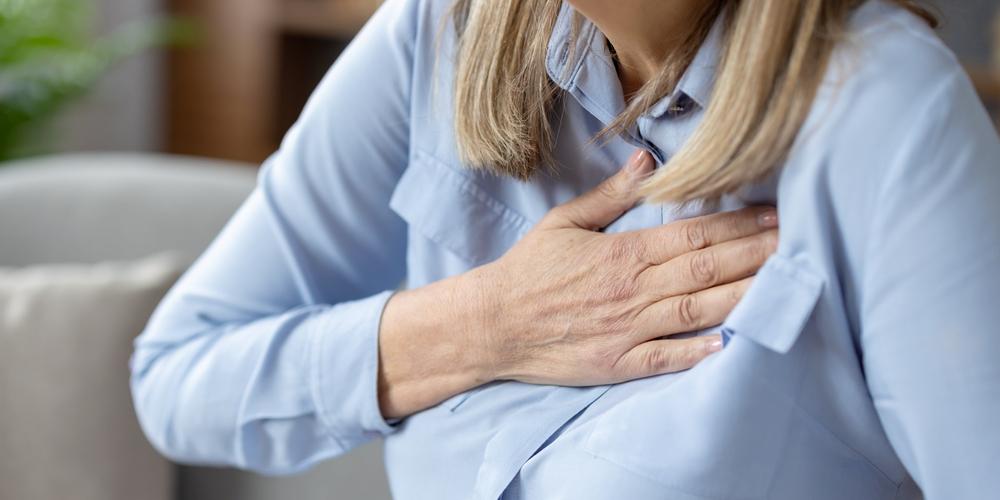


Heartbreak can feel as though your heart is breaking. The ASAP HEARTBREAK festival at Pilar explores that experience this month in a varied cultural programme. But the image is not only symbolic: there is also a medical reality. Broken-heart syndrome is a temporary weakening of the heart muscle after intense emotional or physical stress. In rare cases, the condition can be life-threatening. Dr Benedicte Heyndrickx, cardiologist at UZ Brussel, explains what happens in the body when emotions quite literally leave their mark.
What exactly is broken-heart syndrome?
Benedicte Heyndrickx: “Broken-heart syndrome, also called takotsubo, is a temporary weakening of the heart muscle after acute stress. Patients experience chest pain and the heart pumps less forcefully. The clinical picture closely resembles a heart attack, but there is no permanent blockage of a blood vessel. The heart muscle enters a state of ‘myocardial stunning’: it temporarily functions less well, but in most cases fully recovers within a few weeks to months. Broken-heart syndrome is a rare phenomenon; we are talking about roughly 1% of all heart attacks.”
Where does the term takotsubo come from?
“The name is Japanese. Takotsubo refers to a traditional octopus trap: a clay pot with a wide, round base and a narrow neck. Octopuses swim into the pot, but because of that narrowing they cannot get back out. Japanese researchers noticed that the left ventricle of the heart takes on a similar shape during an episode of the syndrome: the lower part (apex) no longer moves and the base (top) is the only part that still contracts. As a result, the heart chamber resembles such a pot. The image was so striking that the term was adopted internationally.”
“Takotsubo is a temporary reaction, but the symptoms can closely resemble a heart attack”
What are the main differences from a classic heart attack?
“At a heart attack there is a blockage of a blood vessel, which may cause part of the heart muscle to die. With takotsubo that blockage is not present. Stress hormones play a central role here: the heart responds to the stress by contracting less forcefully. It is a temporary reaction, but the symptoms can closely resemble a heart attack. On the first heart scan carried out in the emergency department, you often cannot even see the difference. That usually only becomes clear during a coronary examination.”
Is heartbreak one of the main triggers for broken-heart syndrome?
“Heartbreak is an emotional experience. Broken-heart syndrome is a medical condition. Acute stress such as severe heartbreak, but also an accident or the sudden death of a loved one, can be a trigger. But not everyone with heartbreak develops takotsubo.”
Who does takotsubo mainly affect?
“80 to 90% of people with a takotsubo heart attack are older women, 50+ and postmenopausal. That does not mean men or younger people are immune, but statistically the susceptibility is higher in that first group. The loss of hormonal protection after the menopause likely plays a role in the increased sensitivity to stress hormones.”
Can you die from a broken heart?
“Takotsubo is usually completely reversible, but it remains a medical condition with risks. Around 19% of patients develop complications. In rare cases the condition is fatal: 2.5 to 4% die during hospital admission, and 7.1% within 30 days after discharge.”
What does this say about the relationship between emotion and the body?
“It shows that the body and emotion are not separate from one another. Stress can have physical consequences, and physical conditions in turn affect emotional wellbeing. A broad approach is therefore needed: medical care as well as attention to psychological recovery.
Our view of risk profiles has also evolved. In the past it was assumed that people with a type A personality were most at risk of a heart attack. Think of the hard-working CEO who is busy day and night and constantly under pressure. Later research has shown, however, that people with a type D personality have a higher risk profile: the so-called ‘bottlers’, who express their emotions little or not at all.”
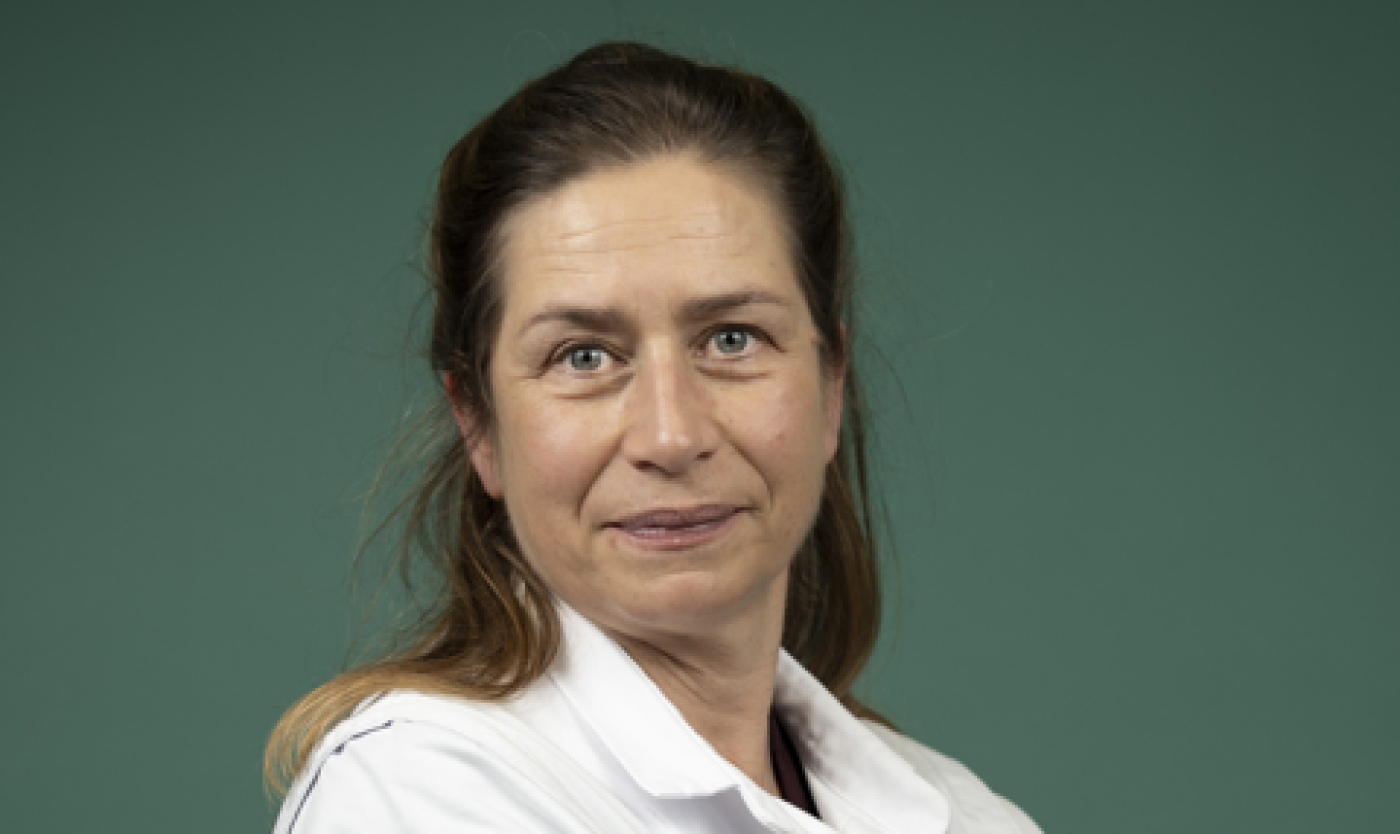
Benedicte Heyndrickx
“In women we tend to see a more diffuse narrowing of the coronary arteries”
Today cardiovascular diseases are the leading cause of death among women. How do you explain that?
“For a long time, heart disease was regarded as a ‘men’s problem’. Historically, much research was mainly conducted on men, and female risk profiles were therefore mapped less well or later. We now know that the course of the disease in women can sometimes be different. For example, we tend to see a more diffuse narrowing of the coronary arteries, rather than one clear, local blockage as is more common in men. That sometimes makes treatment technically more complex and requires a strong focus on prevention.The presentation of symptoms can also differ. Women more often report fatigue, shortness of breath or a general feeling of being unwell instead of the classic pressing chest pain. As a result, signals are sometimes recognised later, by the patient herself and by healthcare professionals. Add to that societal factors, such as the tendency of women to minimise or postpone symptoms, and you have an explanation for why cardiovascular diseases are today the leading cause of death among women.”
Are there now initiatives to monitor women’s heart health more closely?
“Yes, awareness has increased significantly over the past ten years. There is more research specifically focused on women, and doctors are more aware of the differences in risk profile and presentation. For example, we know that women who experienced high blood pressure or pre-eclampsia during pregnancy have an increased cardiovascular risk later in life. That group is now monitored more closely, and there is more cooperation between gynaecologists and cardiologists to raise awareness among these women in good time.There is also growing insight around the menopause that the cardiovascular risk profile can suddenly change. A woman who had a low risk before the menopause may afterwards develop high blood pressure or unfavourable cholesterol levels more quickly. That is why it is important to make a new risk assessment around that stage of life and not continue to rely on earlier, favourable values. In short: there is clearly more attention and knowledge than before. But further awareness — among doctors as well as among women themselves — remains essential to detect cardiovascular diseases earlier and tackle them preventively.”
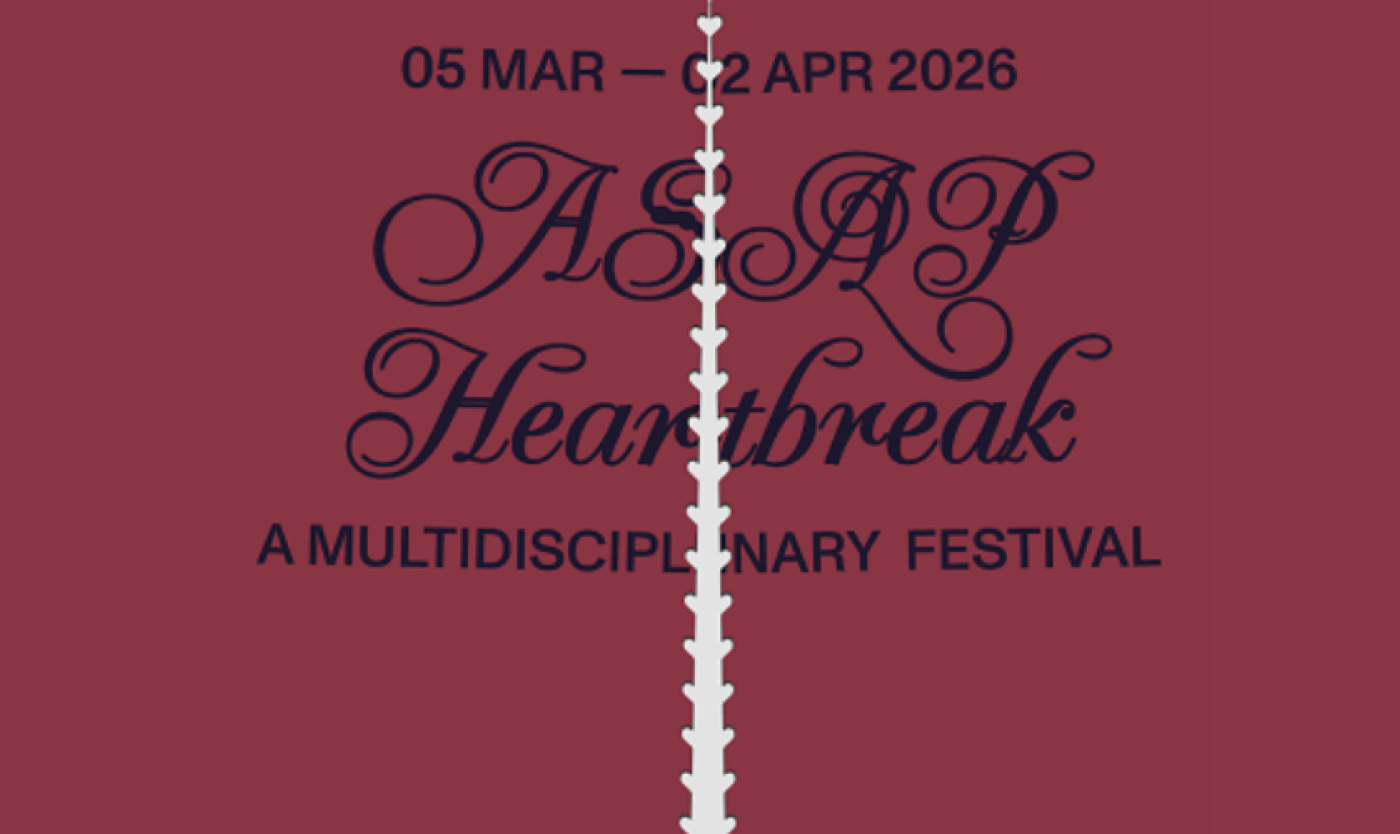
Festival ASAP HEARTBREAK
From 5 March to 2 April 2026, Pilar, the House for Art and Science on the VUB campus, and the Vrije Universiteit Brussel are organising the 11th edition of the multidisciplinary festival ASAP HEARTBREAK. For a month, visitors are immersed in art, performances, music, film and community activities centred on the theme of heartbreak.
BIO
Dr Benedicte Heyndrickx studied medicine at the Katholieke Universiteit Leuven and specialised in cardiology at OLV Aalst, with further expertise in cardiac rehabilitation at Ghent University.
She is an expert in cardiac rehabilitation at UZ Brussel and also runs her own practice. Her focus lies on heart health, recovery after cardiovascular conditions and the impact of stress on the body, with particular attention to the interaction between emotional and physical health.