

VUB climate scientists will also make full use of the Tier-1 supercomputer, which will be managed by the Vrije Universiteit Brussel (VUB) for the next six years. With the immense computing power of supercomputers, they can design and test models and apply them to every possible climate scenario.
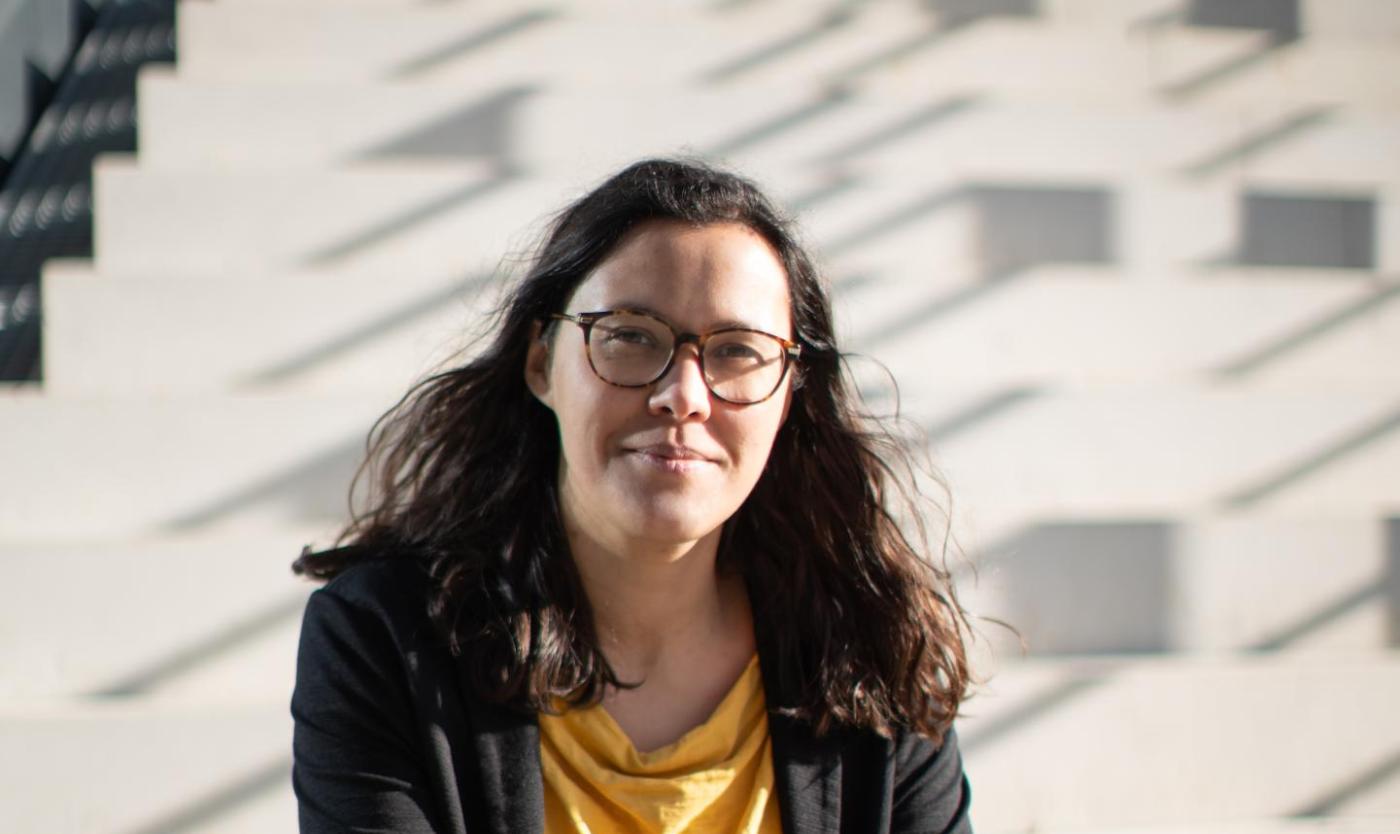
“The Tier-1 supercomputer is a blessing for weather and climate research,” says VUB professor and climate scientist Lesley De Cruz. “In the past, I used earlier generations of Flemish supercomputers to run high-resolution climate simulations. These allowed me to ‘zoom in’ on a specific region and obtain more accurate assessments of local phenomena, such as the rise in heatwaves and extreme rainfall.”
“Our research has been accelerating in recent years thanks to AI,” De Cruz continues. “You often hear that AI is bad for the climate, but that usually refers to the careless use of large language models (LLMs). In meteorology, AI actually saves energy by replacing complex, power-hungry calculations with specialised, fast AI models. These models first need to be trained, and for that we need powerful GPUs like those in the new Tier-1 supercomputer. Those processors are ideal for carrying out huge numbers of calculations simultaneously, for example in artificial intelligence, simulations and data analysis.”
Evacuating ahead of a deluge
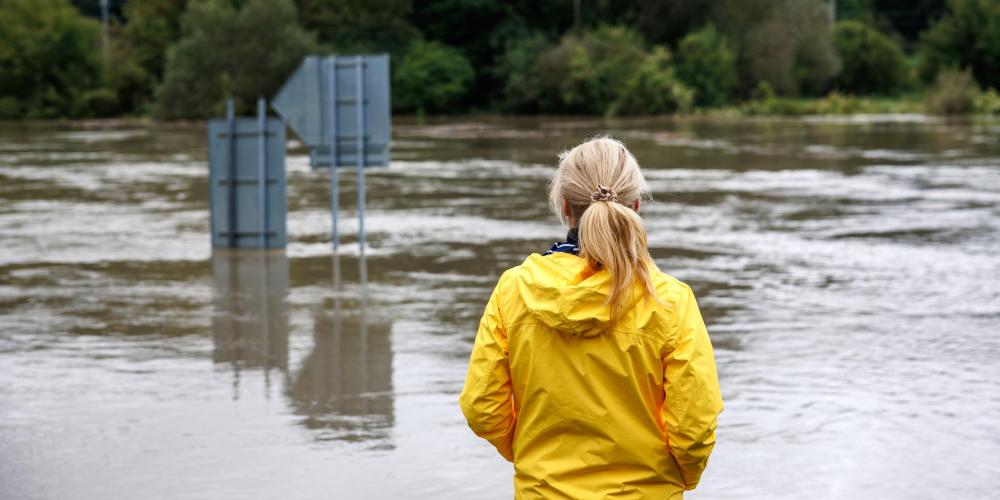
“We’re looking forward to training our next ultra-fast prediction model for local climate extremes — heat and rainfall — on the new supercomputer,” says De Cruz. “The AI rainfall model learns from past radar and satellite images how rain will intensify or weaken in the coming hours. Such a model can give crisis managers the chance to carry out rapid evacuations when a deluge threatens, as it did in the summer of 2021 in the Vesdre Valley.”
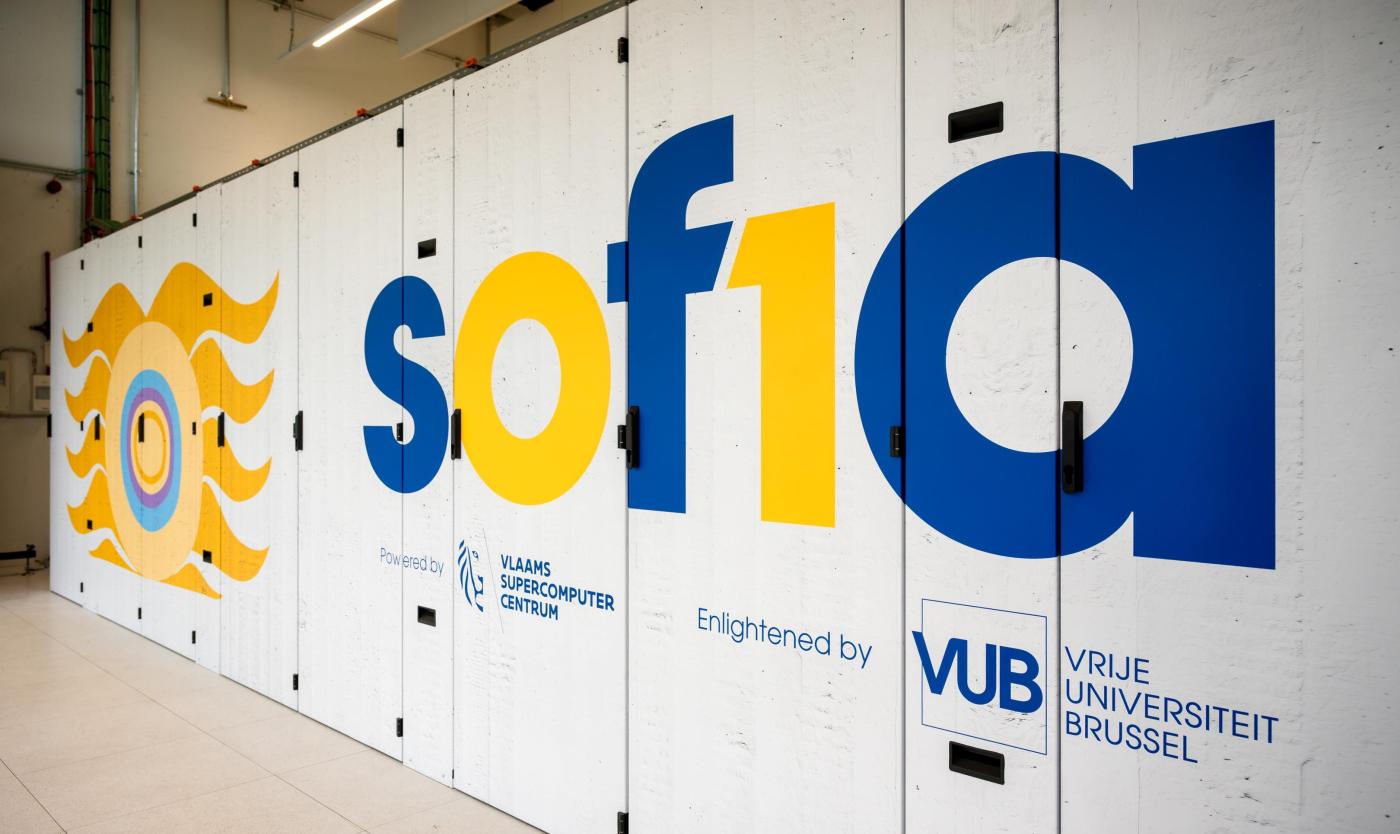
Supercomputer Sofia is part of the Flemish Supercomputer Centre (VSC) and will be used by researchers at all Flemish universities and universities of applied sciences, knowledge institutions and companies. With its sustainable design and impressive computing power, the installation marks a major new step forward for research and innovation in Flanders and a milestone in the Flemish landscape of AI and HPC (High Performance Computing) systems..
“We’re looking forward to training our next ultra-fast prediction model for local climate extremes heat and rainfall on the new supercomputer,” says De Cruz. “The AI rainfall model learns from past radar and satellite images how rain will intensify or weaken in the coming hours. Such a model can give crisis managers the chance to carry out rapid evacuations when a deluge threatens, as in the summer of 2021 in the Vesdre Valley.”
Supercomputer Sofia is part of the Flemish Supercomputer Centre (VSC) and will be used by researchers at all Flemish universities and universities of applied sciences, knowledge institutions and companies. With its sustainable design and impressive computing power, the installation marks a strong new step forward for research and innovation in Flanders and a milestone in the Flemish landscape of AI and HPC (High Performance Computing) systems.