

Four internationally renowned researchers currently working at US universities are joining Vrije Universiteit Brussel (VUB) for the next three years to continue their research in Brussels. They are being appointed as part of the VUB-US Research Chair programme, established with the support of the Helios Foundation. The researchers bring expertise in climate science, extreme weather events, climate adaptation, sustainable cities, and the interaction between climate and society.
The arrival of the researchers strengthens VUB’s international research network and its position as an international reference centre for climate and sustainability research. The new researchers will work closely with several VUB research groups, connecting their expertise with existing research programmes at the university. The four researchers are Prof. Valerie Trouet (University of Arizona), Prof. David O. Prevatt (University of Florida), Dr Sol Kim (University of Chicago) and Prof. Kirsten Heikkinen Dodson (Lipscomb University).
Bringing leading international expertise to Brussels
VUB launched its US Research Chair programme in response to a changing geopolitical and research environment, with the aim of strengthening transatlantic collaboration in climate and sustainability research. The programme offers researchers an academic environment in which they can pursue their research and extend their international research networks.
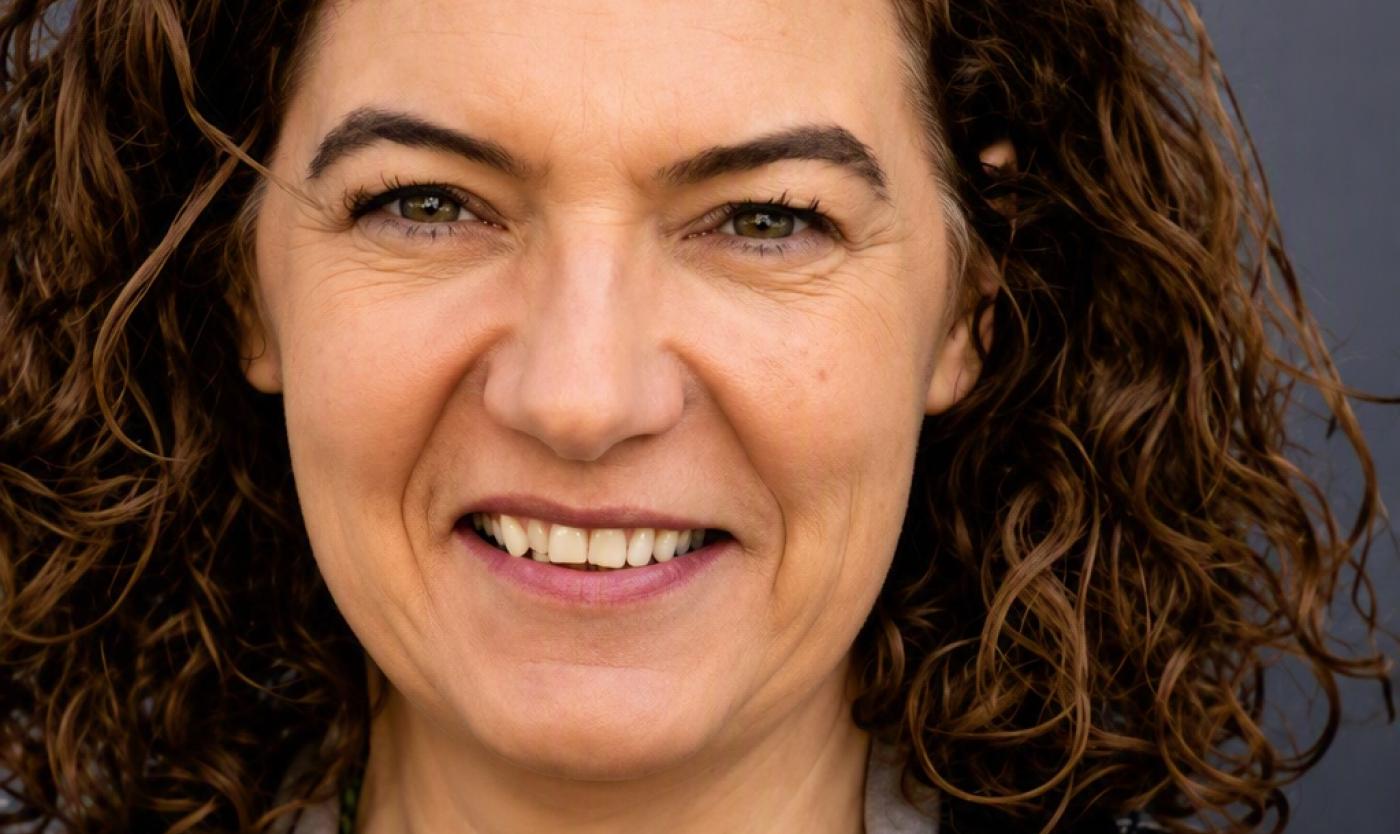
Prof. Valerie Trouet, professor of dendrochronology at the University of Arizona and affiliated with the Laboratory of Tree-Ring Research, is internationally renowned for her research into long-term climate variability using tree rings. Her research makes it possible to reconstruct past climate changes and understand the interaction between climate, ecosystems and human activity. For Valerie Trouet, the appointment also marks a partial return to Belgium following her tenure as director of the Belgian Climate Centre.
At VUB, Trouet will take up a part-time position to work with the equally renowned Prof. Wim Thiery and his research group. By combining historical climate data from tree rings with climate models, researchers will gain new insights into climate variability, hydrological extremes and the impacts of anthropogenic climate change.
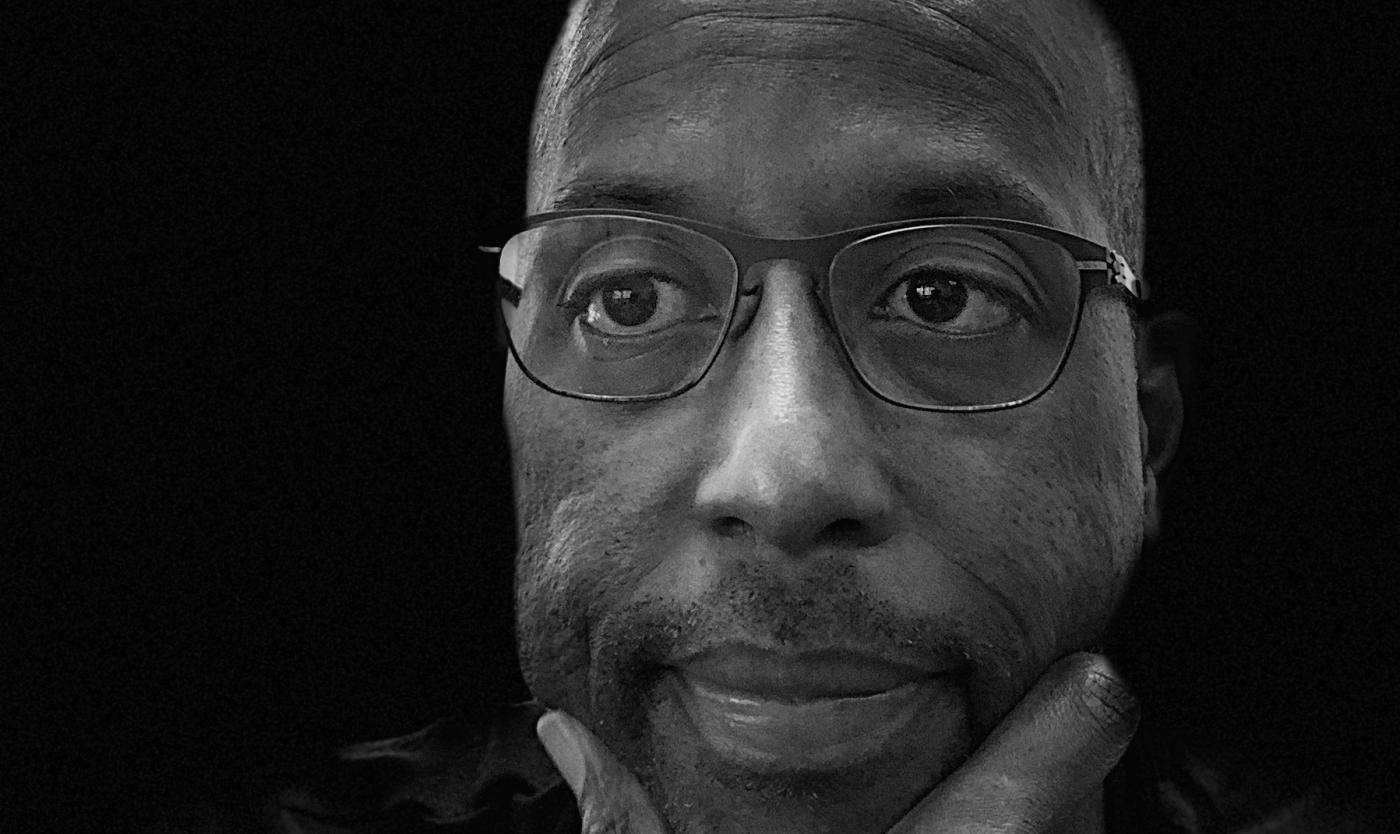
Prof. David O. Prevatt, professor of civil and coastal engineering at the University of Florida, specialises in the performance of residential infrastructure and communities and the mitigation of damage caused by natural hazards. He served as a Jefferson Science Fellow of the National Academies of Sciences, Engineering, and Medicine (NASEM), assigned to the U.S. Department of State from 2024 to 2025, and has contributed to science and wind-hazard policy through testimony before the U.S. Congress and service on National Science Foundation research and science-planning committees.
Prevatt will collaborate with Prof. Michael Ryckewaert and several VUB research groups. His expertise closely aligns with VUB research into urban planning, housing policy, architecture and climate adaptation.

Dr Sol Kim, a climate scientist at the University of Chicago, focuses on extreme weather events, climate attribution and the application of artificial intelligence in climate science. He has previously collaborated with NASA’s Jet Propulsion Laboratory, the European Space Agency and the Pacific Northwest National Laboratory
Kim will also work with Prof. Wim Thiery. His expertise in climate attribution – the scientific method used to determine whether and to what extent climate change has influenced extreme weather events such as heatwaves, floods or droughts – as well as in AI and Earth observation, complements VUB’s research into climate change and extreme weather events. The collaboration will also contribute to research translating climate science into climate litigation, assessments of economic damage and climate policy.
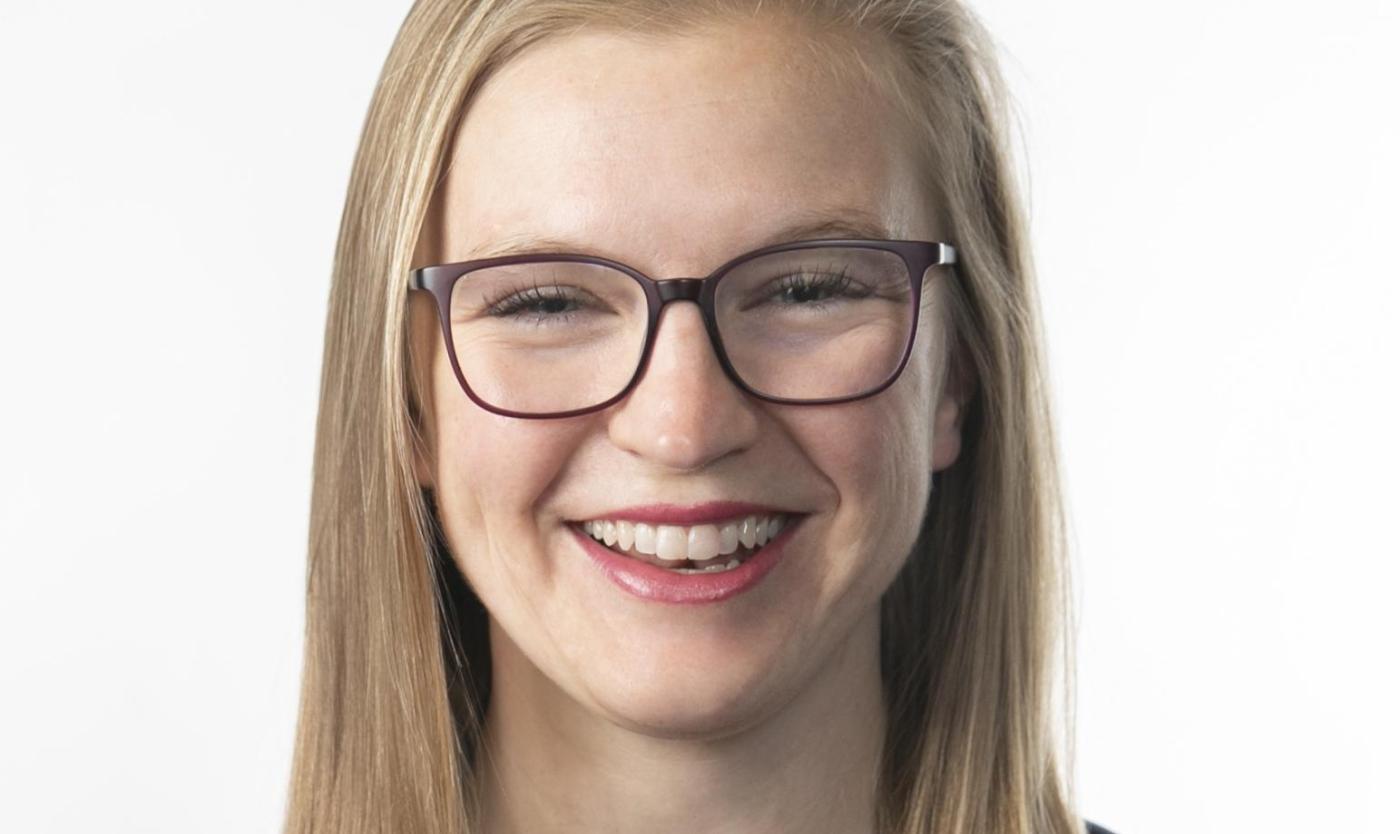
Prof. Kirsten Heikkinen Dodson, an associate professor of mechanical engineering at Lipscomb University, brings 15 years of experience in humanitarian engineering, primarily with support from the Peugeot Center (link). Her project at VUB will study how engineers collaborate with stakeholders in their own communities to address societal challenges such as accessibility, inequality and wellbeing in cities. This new field of ‘urban humanitarian engineering’ will focus on designing impactful, responsible, and sustainable solutions with and for vulnerable populations in an urban environment.'
At VUB, Dodson will collaborate with Prof. Imre Keserü and research groups working on sustainable mobility and urban transitions. Her research connects engineering, social sciences, participatory planning and sustainable urban development.
VUB as an international hub for climate research
The arrival of the four researchers is part of VUB’s broader strategy to further develop its expertise in climate and sustainability at an international level. The university brings together expertise from a range of disciplines, from climate modelling and extreme weather events to infrastructure, urban planning, mobility and social transitions.
From a call to US researchers to sustainable collaboration
The arrival of the four researchers builds on the call VUB launched earlier to expand opportunities for US-based researchers to pursue research and international collaboration in Brussels amid changing geopolitical circumstances. Through the Helios programme, this call is now being translated into structural research positions.
VUB is offering both full-time and part-time Research Chairs, each for a period of three years. The researchers will have access to VUB’s research infrastructure and will be fully integrated into the research groups with which they collaborate.
With this approach, VUB is not only attracting international talent, but also building lasting research alliances around one of the major societal challenges of our time: climate adaptation and the transition towards a low-carbon society.
About the Helios Foundation
The Helios Foundation supports initiatives that contribute to a climate-resilient society. In collaboration with VUB and ULB, the foundation invests in Research Chairs focusing on climate, sustainability and wellbeing, with the aim of strengthening research and innovation that contribute to the transition towards a low-carbon Belgium.