

Practical
Tuesday, 2 June, 2026
- 17:00 until 19:00
VUB Health Campus Jette
Laarbeeklaan 103
1090 Jette
Building A | Auditorium B Velkeniers
Laarbeeklaan 103
1090 Jette
Building A | Auditorium B Velkeniers
Free of charge (including reception)
The Vrije Universiteit Brussel and professor Lara Pivodic invite you for the ERC inaugural lecture 'Have we lost track of time?', showing new perspectives on the end-of-life trajectory of older people. You are kindly invited to join the celebratory reception following the lecture.
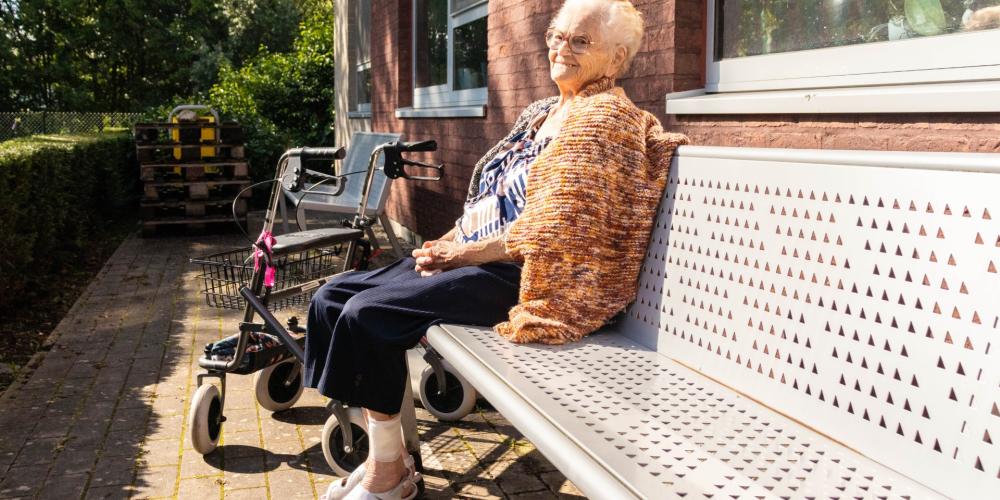
Death in older age is rarely sudden and unexpected, but usually preceded by a serious chronic disease. It is marked by ongoing change and fluctuation: symptoms worsen and improve, independence is lost and partly regained, and everyday life must be continually reorganized. Alongside these physical changes, people experience shifting emotions and social bonds, lose and regain hope, and continuously adapt their sense of self.
A trajectory at the end of our life
The ERC-funded project TRAJECT investigates the end-of-life trajectories of adults aged 70 years or older who have one or several chronic conditions by studying the changes in their physical health and psychological, social and existential well-being in approximately the last year of life. The project’s aim is to re-shape our thinking of end-of-life trajectories, moving away from established disease-centered categorisations towards a new organising system that considers people’s diagnoses but also their biographies, relationships, and environment. We also actively investigate variation in trajectories, by examining which changes in health and well-being apply to specific groups of older people and where the limits of generalisation lie.
The good death
TRAJECT combines a quantitative longitudinal study to map “standardised” fluctuations in health and well-being and a qualitative narrative study that collects subjective stories of older people’s end of life, in which time, chronology, and causality take on radically different forms. Rather than treating dying as a purely medical event, the project reorients us toward death as a profoundly social experience. It asks a fundamental question that resonates beyond academia: what is a good death, and who gets to have their version of one?
About Professor Lara Pivodic
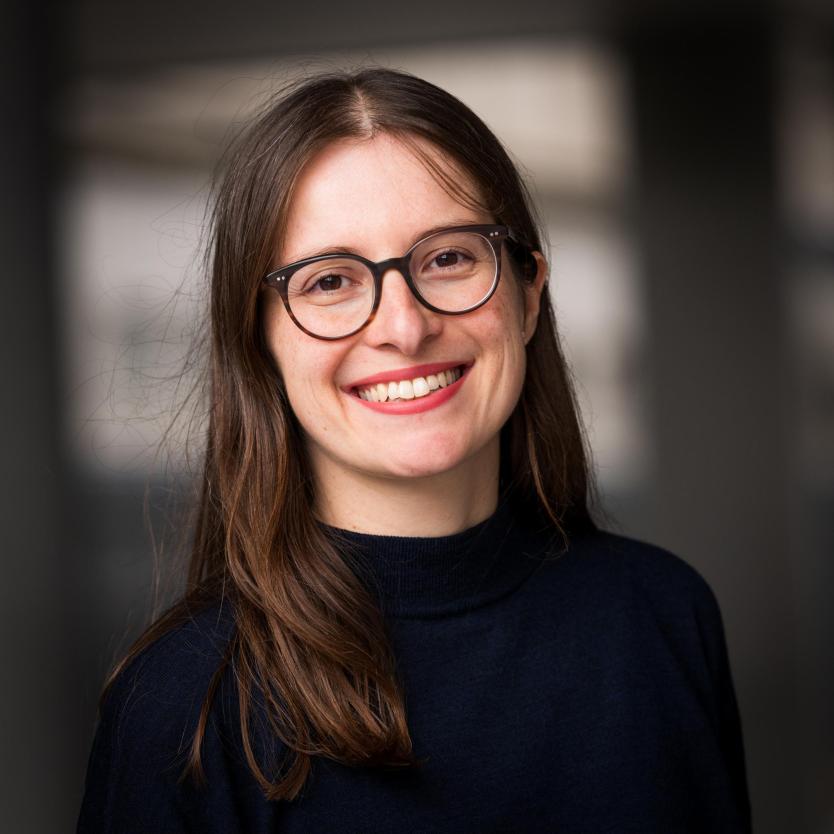
Lara Pivodic is Professor of Ageing and the End of Life at the End-of-Life Care Research Group of Vrije Universiteit Brussel (VUB) & Ghent University, and co-chair of the group’s Ageing & Palliative Care research programme.
Situated at the intersection of medical and social sciences, Lara’s work covers a wide range of topics related to ageing, the end of life, and death, including epidemiological studies, policy analyses, intervention development and clinical trials. Most of her research uses mixed-methods, combining quantitative and qualitative methods to study older people's health- and well-being trajectories towards the end of life and develop interventions to support them and their families as they navigate serious illness and dying. She is the Principal Investigator of the European Research Council (ERC)-funded project TRAJECT (2023-2028), which seeks to re-shape our current understanding of older people's end-of-life trajectories, combining structured measures and individual narratives.
Lara Pivodic is the author and co-author of numerous publications in medical and social science journals, and she has received the Early Researcher Award of the European Association for Palliative Care for her contributions to cross-national research in palliative care. Her previous research grants include a PhD scholarship as a European Commission-funded Marie Curie PhD Training Fellow, two Postdoctoral Fellowships of the Research Foundation – Flanders and a Postdoctoral Fellowship of the AXA Research Fund.
Lara holds a PhD in Medical Sciences from Vrije Universiteit Brussel and an MSc in Psychology from the University of Vienna. She was a member of Jonge Academie (Young Academy of Sciences) of Belgium (2021-2026).

The world needs you
This initiative is part of VUB's public programme, a programme for everyone who believes that scientific knowledge, critical thinking and dialogue are an important first step to create impact in the world.
As an Urban Engaged University, VUB aims to be a driver of change in the world. With our academic edcuational programmes and innovative research, we contribute to the Sustainable Development Goals of the United Nations and to making a difference locally and globally.