




Historian Niels De Nutte, affiliated with the Vrije Universiteit Brussel as a postdoctoral researcher and guest professor of Practical Humanism, has been named the winner of the Léon Favyts – Hugo Van den Enden Prize for his doctoral thesis ‘The Right to a Dignified Death in Belgium.’ His research reveals that the euthanasia debate in Belgium is 60 years older than previously assumed.
The Léon Favyts – Hugo Van den Enden Prize is awarded by the association Right to a Dignified Death. Its aim is to recognise outstanding scientific research on euthanasia and the ethical debates surrounding it. Léon Favyts and Hugo Van den Enden were pioneers in Belgium in the struggle for patients’ rights and euthanasia.
The full title of Niels De Nutte’s award-winning doctoral research is: “The Right to a Dignified Death in Belgium. A history of societal attitudes, conceptual ambiguity and advocacy concerning euthanasia from the 1920s to 1993.” In it, Niels meticulously reconstructs how the Belgian debate on euthanasia developed throughout the twentieth century. While Belgium is now internationally recognised as one of the frontrunners in the field of self-determined end of life, a thorough historical analysis of how this unique position came about had so far been lacking. Niels stepped in to fill that gap.
Debate already emerged in the 1930s
Until recently, historiography relied largely on the personal recollections of pioneers from the 1980s and 1990s. Niels broadens that perspective and looks back more than sixty years further. He demonstrates that euthanasia already appeared in public debate in the 1930s, and that a wide range of actors – doctors, lawyers, politicians, philosophical organisations and citizens – were already engaging with the ethical and legal questions surrounding end-of-life decisions.
His research highlights how arguments evolved, which themes remained constant, and how societal shifts – including the secularisation of attitudes towards death – gradually shaped the debate. He examines not only theory and discourse, but also practice: how criminal law related to what actually happened at the bedside, and what level of support existed long before legal recognition.
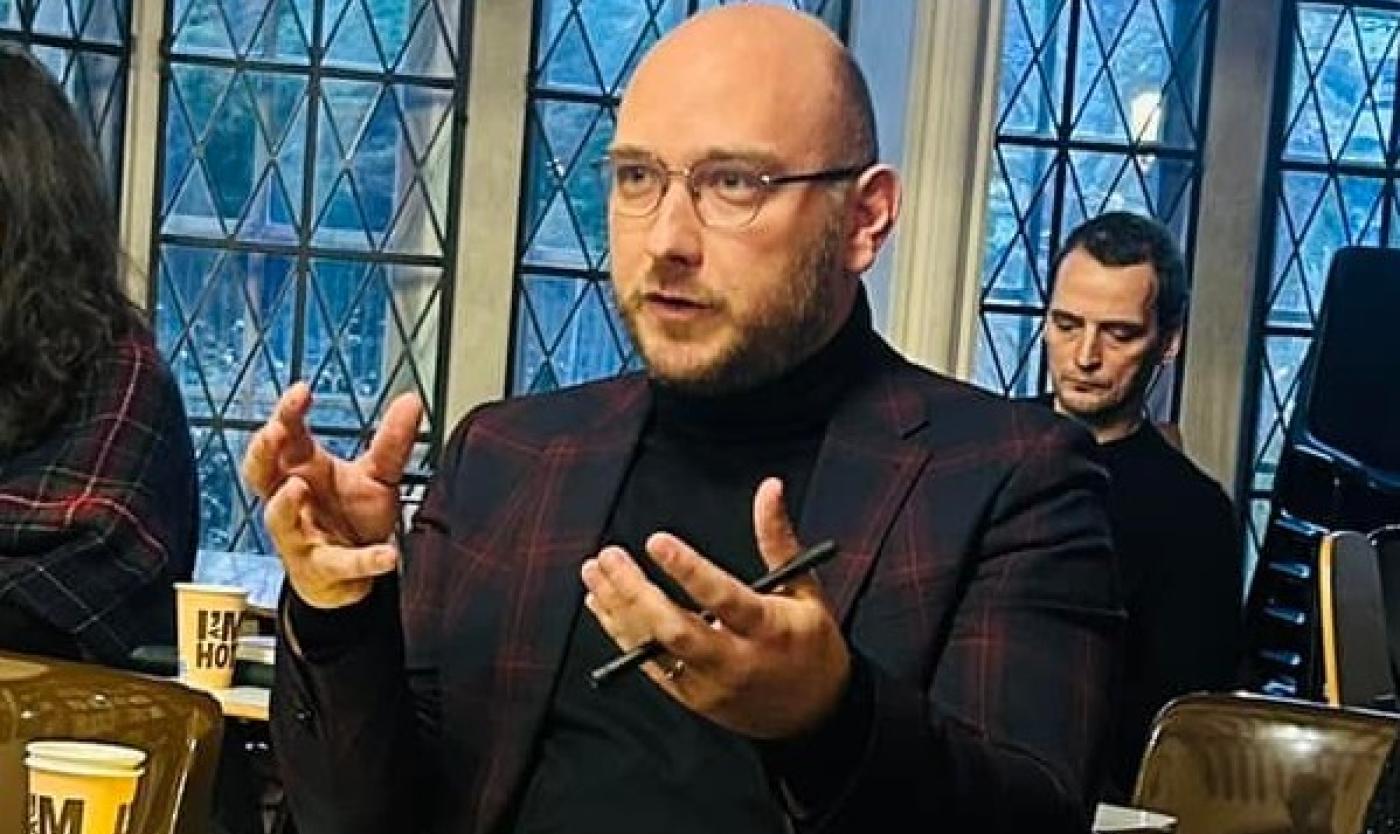
Niels De Nutte
International cross-fertilisation
A striking element of Niels’ work is its focus on international cross-fertilisation. From the 1980s onwards, developments in countries such as the Netherlands, the United States and France clearly influenced the Belgian discussion. This broader context helps explain the Belgian trajectory: why certain arguments gained traction, where resistance emerged, and how political momentum built towards 1993.
Medical uncertainty and bioethics
Although the research takes a historical perspective, Niels argues that it extends well beyond the past. It explains why questions around dignified dying remain so prominent today. Themes such as medical uncertainty, bioethics and the influence of belief systems have been intertwined with the euthanasia debate for decades. His conclusion is clear: anyone seeking to understand today’s sensitivities must look to history.
Bio
De Nutte conducted his doctoral research at the VUB with an FWO fellowship. The official award ceremony will take place on Saturday 27 June.