



How can science, culture and diplomacy work together to tackle global challenges? That question took centre stage at the conference Science Diplomacy and Heritage: On the Politics of Fragments, the Role of Science, and the Perception of Lacunas, held at the Teatrino of Palazzo Grassi in December. The event was organised by EUTOPIA in collaboration with the University of Continuing Education Krems and supported by UNESCO and the EU Science Diplomacy Alliance.
Venice as a living laboratory
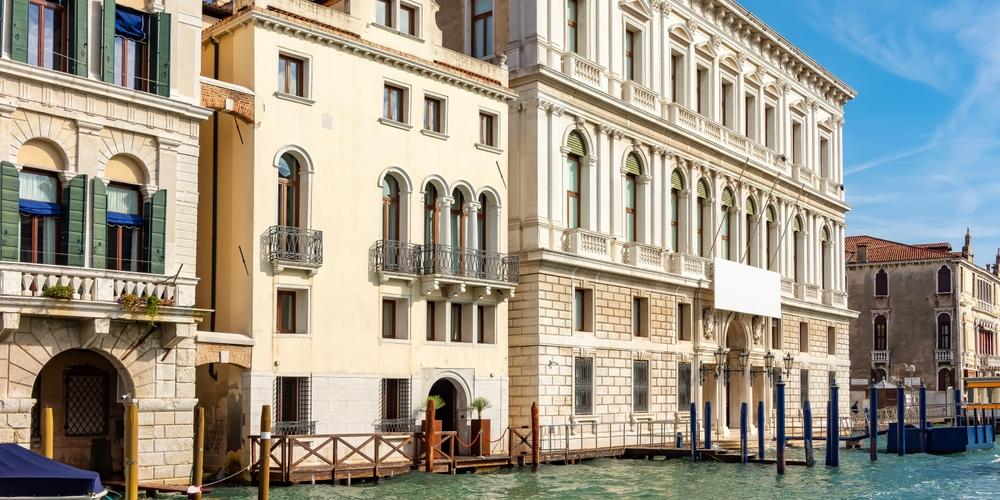
The choice of venue was symbolic: Venice, a historic crossroads of trade and culture, now faces pressing issues such as climate vulnerability, mass tourism and heritage preservation. The 18th-century Palazzo Grassi, where historic architecture meets contemporary art, provided the perfect setting for discussions on fragmentation and connection.
From fragmentation to collaboration
One theme recurred throughout the panels: fragmentation – of knowledge systems, governance structures and heritage narratives. Yet the conference also offered an alternative: bringing together disciplines and actors to address complex challenges collectively.
Science, culture and diplomacy in one framework
Participants explored how scientific expertise becomes intertwined with cultural meaning and political negotiation in areas such as climate change, art restitution, digital technologies and crisis response. Heritage, they noted, is far from neutral: it increasingly plays a role in diplomatic relations and geopolitical debates.
EUTOPIA as a bridge-builder
By convening voices from different sectors and countries, EUTOPIA reaffirmed its role as a platform for dialogue and collaboration. European universities can act as connectors between academic disciplines, policymakers and cultural actors – a crucial task at a time when traditional diplomacy is under strain.
Find out more
Discover how VUB and EUTOPIA are working together on science diplomacy and cultural relations: https://eutopia-university.eu.