




Nova Academy, the lifelong learning partnership between VUB, UGent and UAntwerpen, is expanding. Seven higher education institutions are adding their programmes to the portal. The aim is to respond even more effectively to the needs of both alumni and the professional field. VUB lifelong learning coordinator Greet Sneyers explains: “There is strong demand for practical training courses, but the quality of the offering remains our top priority.”
What is Nova Academy?
Greet Sneyers: “Nova Academy was founded five years ago as a lifelong learning collaboration between three universities — VUB, UGent and UAntwerpen — all operating in a metropolitan context. The idea was to centralise our educational offering. Up until now, we have essentially functioned as an academic portal. Seven higher education institutions are now joining us: Erasmus University College Brussels, AP University College Antwerp, Artevelde University of Applied Sciences, HOGENT, the Institute of Tropical Medicine, HOWEST and the Antwerp Maritime Academy. That brings the total number of partners to ten. Anyone wishing to continue learning can now find the full range of programmes in one place. The nova-academy.be portal currently lists more than 800 courses, including postgraduate programmes, micro-credentials, professional development courses, workshops, masterclasses, study days and lectures. Through the university colleges, additional bachelor-after-bachelor programmes will also be added.”
Why expand to include university colleges?
“Nova Academy is now even more focused on the needs of people who want to continue learning throughout their careers. Academic and scientific research remain important, but there is also considerable demand for practical training courses, for example for healthcare professionals and tax specialists. Together with Erasmus University College Brussels, we are launching a new postgraduate programme in taxation next academic year. Because of the many changes in regulations, demand for this kind of training is high. We have made clear agreements with the higher education institutions regarding quality standards. For example, a micro-credential must meet certain criteria, ranging from the number of credits to the content of the certificate awarded. We want to ensure as much consistency as possible across the board.”
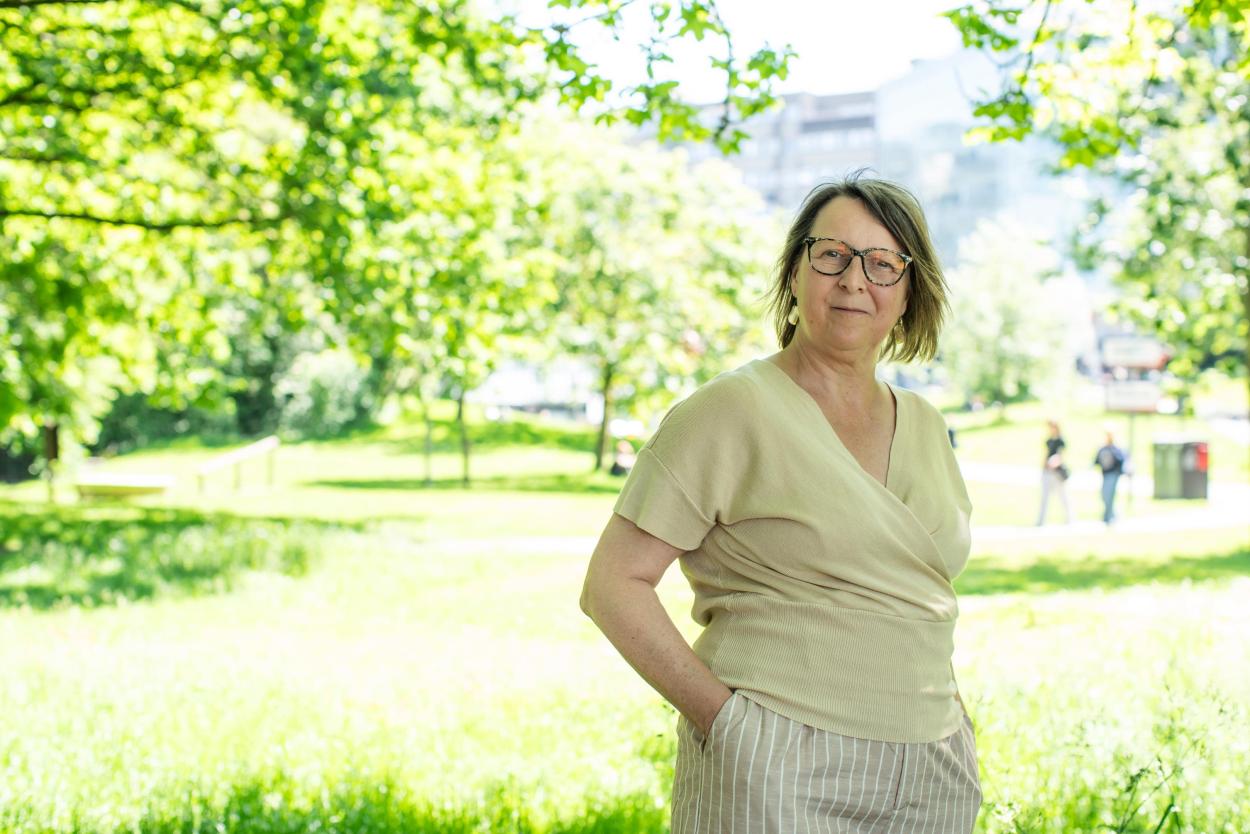
Greet Sneyers
“With more partners, we can have a stronger influence on policy”
“With the university colleges, similar collaborations can emerge. Since February, for instance, the VUB has had a coastal hub, VUB aan Zee, where masterclasses are organised in collaboration with the city and the port of Ostend. With the Antwerp Maritime Academy joining Nova Academy, there are clear opportunities for new joint initiatives. There is also significant potential for substantive collaboration around lifelong learning itself. With more partners, we can have a stronger influence on policy. The framework for micro-credentials that we developed has since become a Flemish policy framework, officially recognising micro-credentials as part of higher education provision within the decree on higher education.
Looking ahead, we want to invest even more strongly in collaboration and knowledge-sharing. I am thinking, for example, of joint meet-and-greet events to maintain close ties with industry and better identify emerging training needs.”
Is the aim to expand lifelong learning provision or to organise it more efficiently?
“Both. In terms of lifelong learning, Flanders still lags behind the rest of Europe. Work–life balance is highly valued here, which means people are less likely to pursue additional training alongside their jobs. By offering an accessible portal, we hope to lower that threshold and guide professionals more easily towards relevant courses. In doing so, we want to make a meaningful contribution to strengthening the culture of lifelong learning in both Flanders and Brussels. That is also why we are placing such a strong emphasis on micro-credentials: short programmes lasting a few weeks, one semester or a year, but still linked to academic credits and an officially recognised certificate. We are seeing clear growth in this area. There is a growing demand for short, targeted and hybrid learning formats.”
Are there other collaborations outside Nova Academy?
“Yes. The VUB has a long tradition of collaboration in lifelong learning, including with external partners. Various programmes in the field of health and wellbeing are offered in cooperation with professional federations, and that will continue.”
What are the VUB’s key priorities regarding lifelong learning?
“Alongside quality, we believe it is crucial to work closely with industry and professional federations. We need to continue identifying societal needs and responding to them through our educational offering. One example is the ABC course for newly qualified teachers. Brussels faces a shortage of teaching staff, and the context does not always make it easy to work as a teacher. This programme provides additional tools and practical guidance. Another example is the micro-credential in electrocardiography. Cardiac arrhythmias are becoming increasingly common, and this practical training is designed to familiarise GPs with the basic principles of electrocardiography. Next academic year, we will also launch six new micro-credentials focused on artificial intelligence, aimed at staff working in the European institutions and the public sector. One of these is Fundamentals of AI for the Common Good. With these initiatives too, we are responding directly to current needs in Brussels.
To ensure our programmes truly meet the needs of society, we must remain in close contact with the professional field. At a recent symposium for the medical sector, organised by the VUB and UZ Brussels, the professional association for plastic surgeons highlighted a growing need for additional training in aesthetic medicine. At present, there is a proliferation of procedures being carried out by unqualified practitioners. These are precisely the kinds of needs we want to continue identifying and addressing.”
Nova Academy celebrates its growth

Nova Academy is a lifelong learning partnership bringing together ten Flemish universities and university colleges. The portal helps learners find a programme that genuinely suits their needs — wherever and whenever they choose to study.
The portal currently offers access to more than 800 programmes.
Bio
Greet Sneyers is a policy adviser within the VUB Vice-Rectorate for Education & Student Affairs and serves as the VUB coordinator for Lifelong Learning at Nova Academy.