

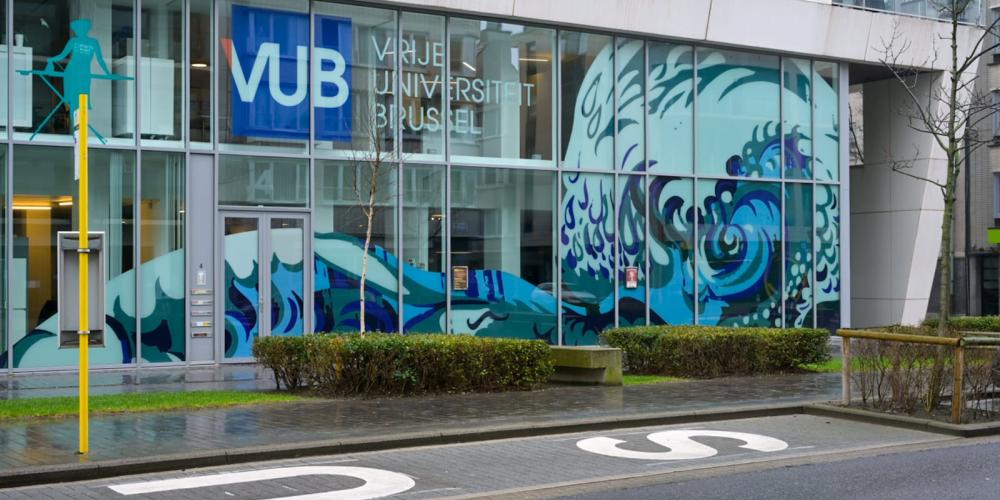


Ostend, 6 February 2026 — The Vrije Universiteit Brussel (VUB) today officially opened VUB aan Zee, a new academic hub in Ostend. The initiative is a structural partnership between the City of Ostend, Port of Ostend and the VUB. The hub aims to spark young people’s interest in STEM programmes, strengthen research and innovation along the Belgian coast, and build a sustainable bridge between the university, the city and the port. The opening attracted strong interest, with nearly 200 registered participants from local and West Flemish politics and the regional business ecosystem.
At the launch, VUB Rector Jan Danckaert, Mayor John Crombez and Charlotte Verkeyn, Chair of Port of Ostend, highlighted the hub’s importance for developing future-oriented expertise and employment in the region.
VUB Rector Jan Danckaert said: “The VUB’s baseline is: The world needs you. Today, every talent is needed to make our world and our society more sustainable, resilient and just. We want to help nurture that talent — together with the city, the region and the province. Together with the port, research centres and companies. Together with the people of Ostend and everyone living in the wider area around the city.”
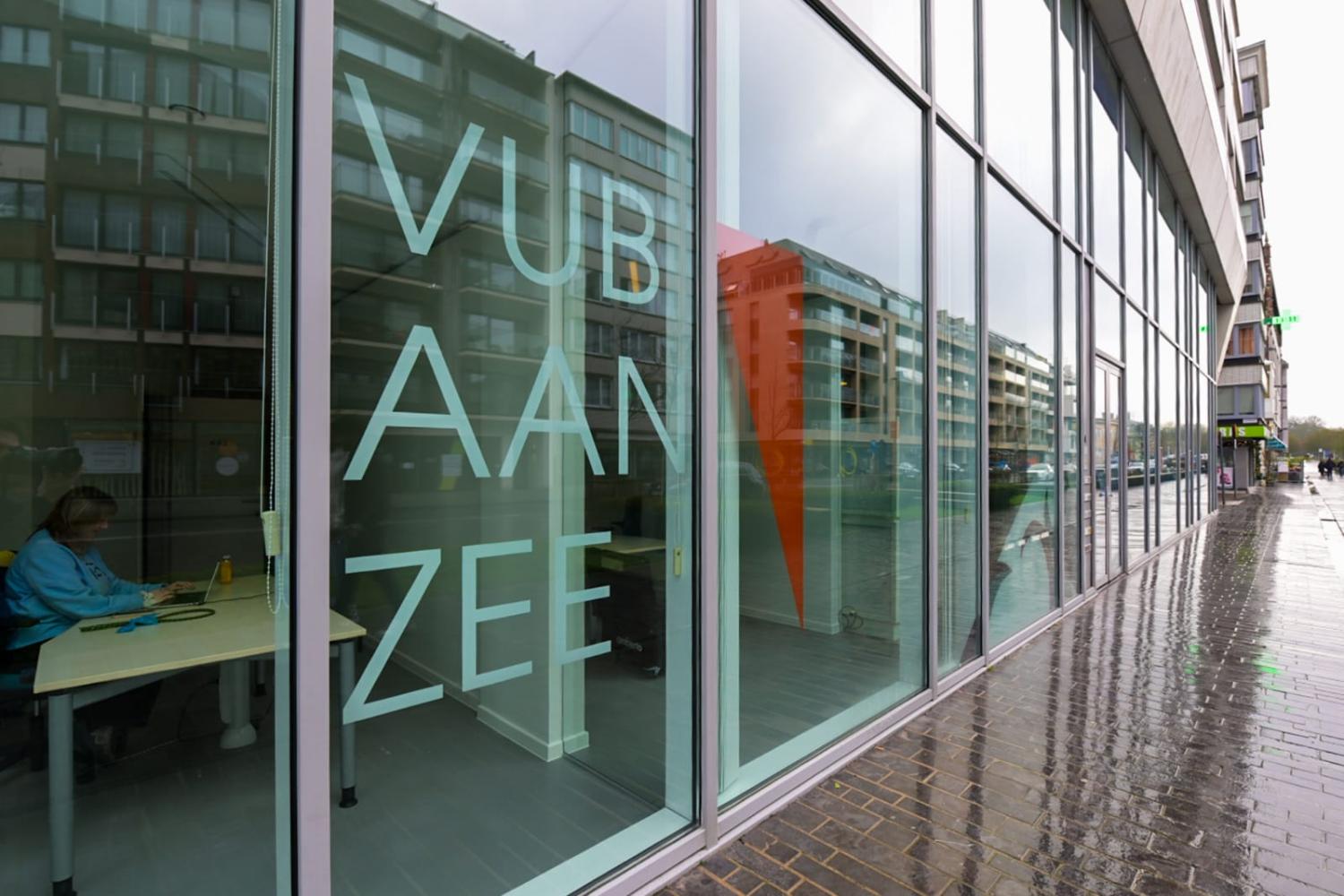
VUB aan Zee is not a traditional campus, but an interdisciplinary research and education hub located in the city, within walking distance of the railway station. The site will serve as a base for researchers, a meeting place for (future) students and professionals, and a link between science and the regional ecosystem.
Working closely with the city, the VUB aims to actively guide young people towards higher education and STEM disciplines. The university is collaborating with VOKA and the Flanders Marine Institute (VLIZ) to develop marine and coastal expertise.
The hub directly links scientific knowledge to the challenges facing the city and the port. Ostend is positioning itself as a hotspot for the blue economy, maritime innovation, circular industry and drone technology. By establishing a local presence, the VUB strengthens interaction between research, businesses and policymakers.
Platform for research, education and knowledge-sharing
VUB aan Zee will provide a workplace for researchers active in areas such as offshore wind energy, marine technology, AI and urban applications, climate and coastal research, and innovation in and around the port. Other VUB researchers with activities in the region will also be able to use the facilities. Through participation in European projects, the VUB involves the city, enabling it to engage in research and innovation at that level as well.
The hub will offer executive education and postgraduate programmes, provide students with a place to study and meet, and introduce young people to science and STEM. Partnerships include De Blauwe Cluster, the Belgian Naval Academy, Mu.Zee, Ghent University (UGent) and HoWest University of Applied Sciences.
Structural partnership and open house
VUB aan Zee is the result of an equal partnership between the City of Ostend, Port of Ostend and the VUB. The city and the province have made 500 m² of space available near the station, ensuring a sustainable academic presence with room for growth.
The hub also aims to be an open house. To that end, the VUB is working with cultural partners and artists. Mu.Zee has placed a work by Elen Braga on loan, and a collaboration has been announced with artist Senne Dehandschutter for a future art project paying tribute to former rector Caroline Pauwels. The work ties in with the VUB motto Scientia vincere tenebras (“to conquer darkness through knowledge”) and Dehandschutter’s series Light Seekers: life-size, balancing human sculptures placed high on façades or rooftops, prompting passers-by to quite literally look up.
Further collaboration will follow, and new initiatives will be launched with partners such as POM West Flanders, De Blauwe Cluster, the Belgian Naval Academy, Mu.Zee, UGent and HoWest.
“This hub is not a statement for or against other higher education institutions, but an invitation to work constructively with as many partners as possible in a landscape where there is room for everyone,” Rector Jan Danckaert concludes.
Photo's © Thierry Geenen