


Practical
Wednesday, 18 February, 2026
- 18:00 until 21:00
VUB Main Campus Etterbeek
Pleinlaan 2
1050 Elsene
Venue: Centre for Martial Arts and Science (CEMAS)
Pleinlaan 2
1050 Elsene
Venue: Centre for Martial Arts and Science (CEMAS)
Free of charge
Vrije Universiteit Brussel, CEMAS and demens.nu invite you for the inaugural lecture of the new lecture series 'Beyond the fight: what do martial arts teach us about society?', delivered by Dr. Alex Channon.
Dr. Alex Channon challenges the widespread assumption that fighting is inherently violent. Drawing on cutting-edge research in martial arts studies, he invites the audience to look beyond punches and kicks and to examine how consent, mutual trust, and moral responsibility shape embodied encounters in training halls and competitive arenas.
What makes some forms of physical confrontation socially accepted, even celebrated, while others are condemned? And what can this teach us about how we understand violence in everyday life?
This lecture demonstrates how martial arts can function not as drivers of harm, but as tools for anti-violence advocacy and consent education. It will include a practical workshop to demonstrate this, using games derived from martial arts practice aimed at supporting young people to experience and learn about consent in new ways.
This lecture is for anyone interested in martial arts, sports in general, youth work, anti-violence work and consent education. You are warmy invited to join the reception afterwards.

About the lecture series 'Beyond the fight: what do martial arts teach us about society?'
This inaugural lecture opens a broader lecture series that takes martial arts seriously as a social practice that reaches far beyond sport or self-defence. Across three lectures and a seminar, the series explores how fighting, risk-taking, gender, and health are shaped by social norms, power relations, and moral choices. Combining critical research with real-world examples, the lectures challenge common assumptions about violence and invite audiences to think differently about consent, responsibility, inclusion, and wellbeing. From nonviolent combat and public health to gender dynamics and the future of martial arts studies, this series is for anyone interested in how physical culture reflects—and reshapes—the society we live in.
This series is made possible by the Willy Calewaert Chair 2026 of deMens.nu and organised by VUB's Centre for Martial Arts and Science (CEMAS). UNICA Network is partner of the seminar.
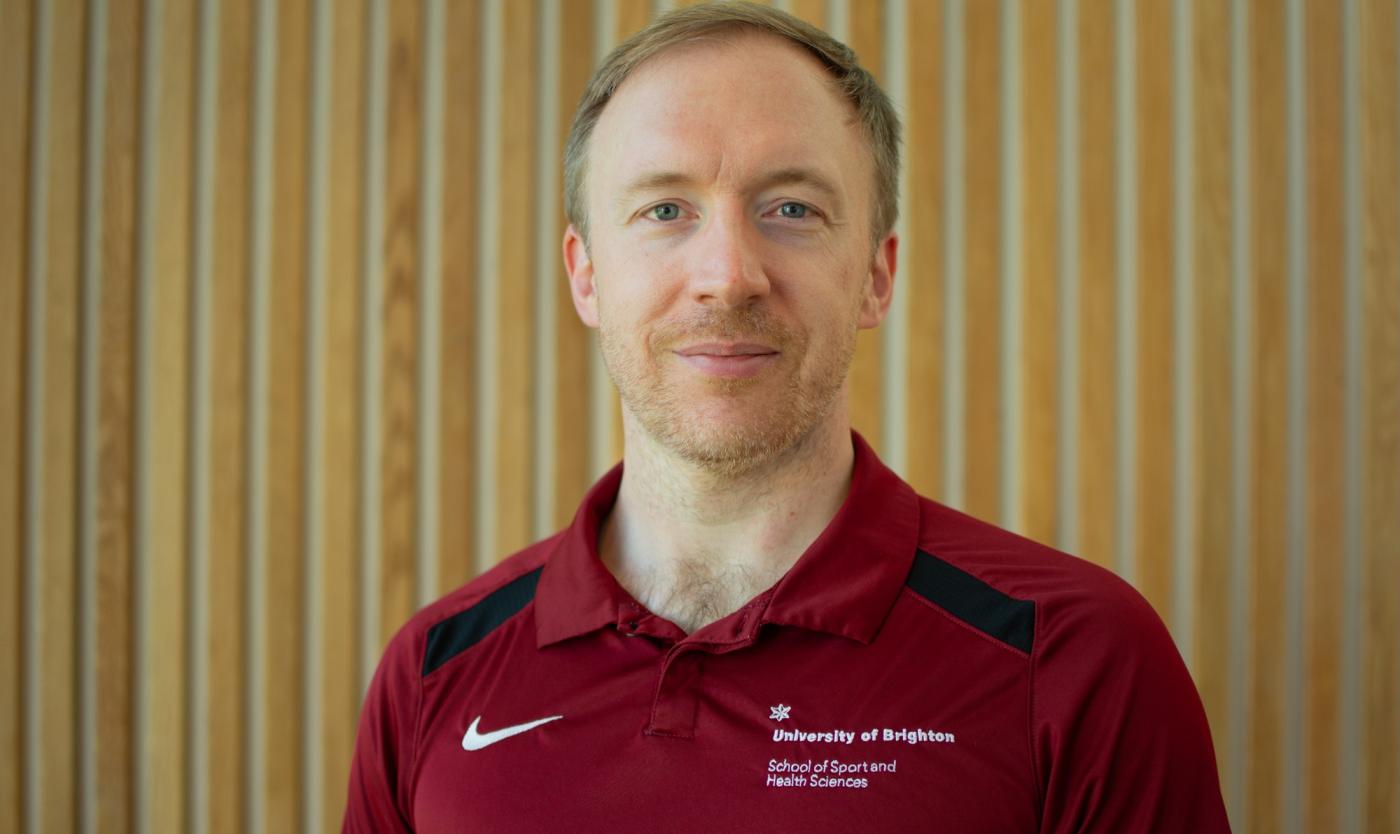
About chair holder Dr. Alex Channon
Dr. Alex Channon is Principal Lecturer in Physical Education and Sport Studies at the University of Brighton. His research focuses on martial arts and combat sports, with particular attention to how violence is understood and managed, the anti-violence educational potential of martial arts, and practices of risk management and medical care in combat sports. His earlier work examined gender relations, identity, and inclusion in martial arts contexts. He is the founding chair of the Martial Arts Studies Association and former editor-in-chief of the Martial Arts Studies journal, and regularly works with sports organisations, NGOs, and media to translate academic research into policy and practice.
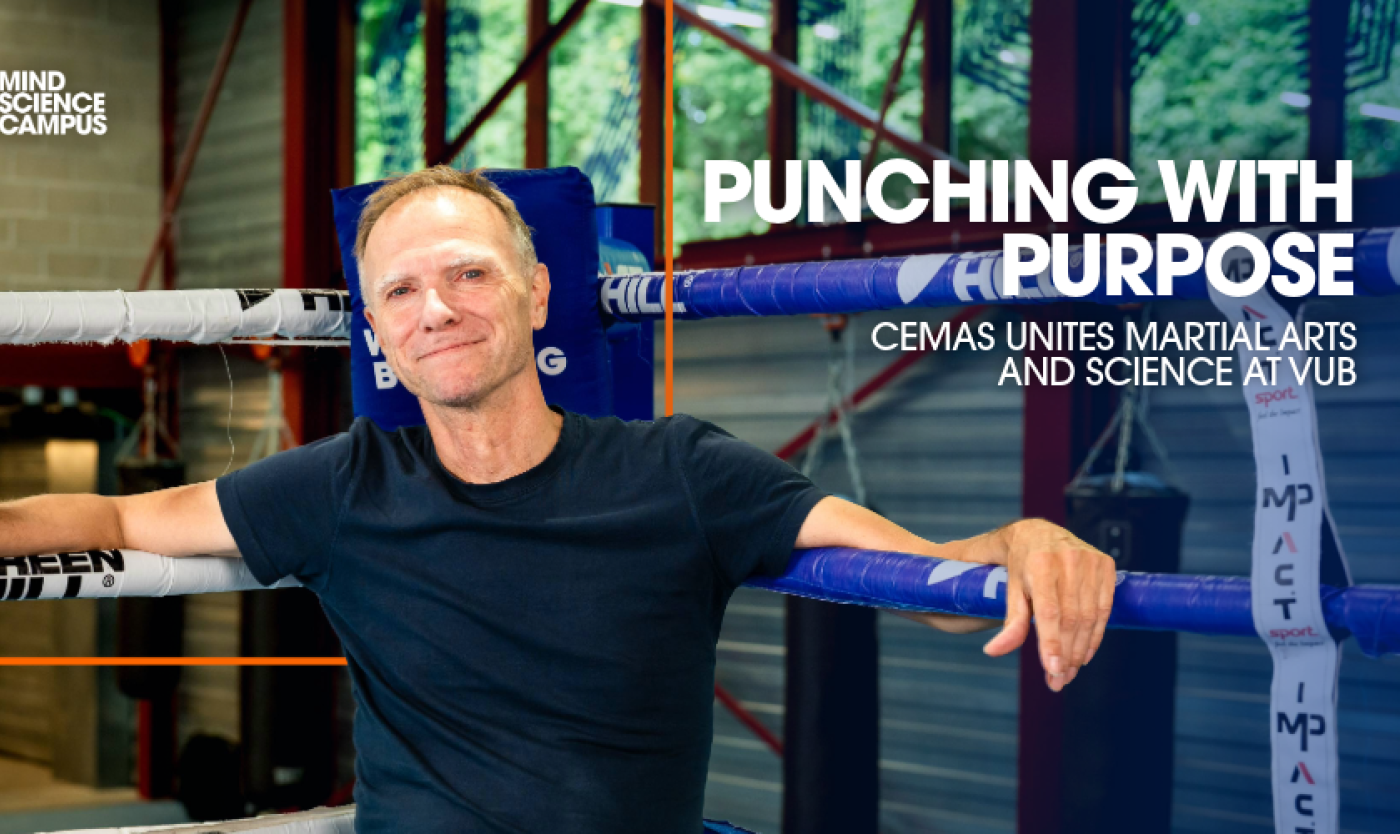
About VUB's Centre for Martial Arts and Science (CEMAS)
"We train the trainers to create social value” | CEMAS is a pioneering initiative that brings together martial arts, academic research and social engagement and located at the brand-new martial arts facility at VUB's Main Campus. It offers a solid 800 m² of dedicated training space and provides clubs with expert knowledge on training methods, mental preparation, nutrition and more. The academic focus is on martial arts as a catalyst for personal and social development.
Read the interview with founder Marc Theeboom
Visit the webpage of CEMAS
The world needs you
This initiative is part of VUB's public programme, a programme for everyone who believes that scientific knowledge, critical thinking and dialogue are an important first step to create impact in the world.
As an Urban Engaged University, VUB aims to be a driver of change in the world. With our academic edcuational programmes and innovative research, we contribute to the Sustainable Development Goals of the United Nations and to making a difference locally and globally.