

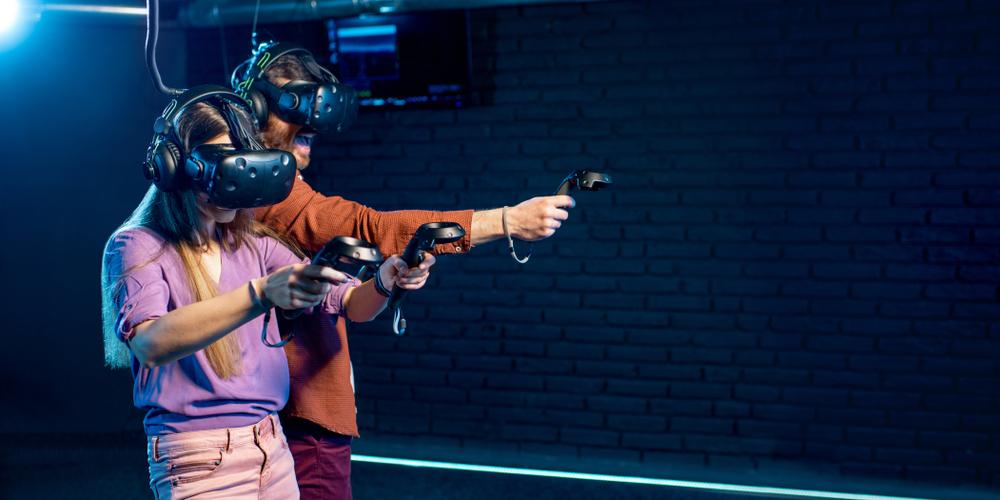


Virtual reality is gradually making its way into sports halls. With an international VR tournament between European schools running from 20 to 24 April, the Vrije Universiteit Brussel aims to demonstrate what ‘exergames’ could mean for the future of physical activity. But is VR sport more than just a passing trend? And what about the criticism that young people are better off exercising in the real world? We spoke with Marc Sarens, a researcher at VUB and coordinator of the European VIBES project.
From 20 to 24 April, students from four European countries will compete in a virtual reality sports competition. The tournament is part of the Erasmus+ Sport project VIBES (Virtual Reality Sport Interaction Between European Schools), coordinated by VUB. On 24 April, the project will also be showcased during European Youth Week in Brussels.
What exactly is VR sport?
Marc Sarens: “We often talk about ‘exergames’, a combination of exercise and gaming. Unlike traditional video games, where you sit still, here you’re physically active while you play. This can range from boxing and dancing to tennis or interactive obstacle courses. The difference from the past – think Wii or Pokémon Go – is that today’s experience and intensity are much higher.”
What does the VR tournament starting on 20 April involve?
“That’s a sort of ‘final’ for our 30-month project, which concludes in May. Students in the final years of secondary school from four countries – Italy, Cyprus, Portugal, and Belgium – will compete in various VR sports. They play and move simultaneously, but they’re not physically in the same space. That’s what makes it unique: you can compete internationally without travelling.”
“You can game and exercise intensively at the same time, which appeals to young people”
Why are students so enthusiastic about VR sport?
“Part of the excitement certainly comes from the novelty factor. For many students, this is their first experience with VR. We’ve conducted over 200 surveys with students and teachers as part of the project, and the enjoyment scores are high. Whether that enthusiasm lasts remains to be seen; we’re tracking participants over a longer period to find out. What is noticeable, though, is that it reaches students who are less keen on traditional sports. I remember a student who normally never joined PE lessons but became very enthusiastic during a VR session. These are individual cases, of course, but they show the potential.”
How intense is VR sport compared to a typical PE lesson?
“That depends heavily on the application and how the session is run. Some are less intense, others very active. Take boxing, for example: that’s genuinely vigorous. You have an avatar in front of you and need to react, punch, move – it’s physically demanding. We’ve also conducted research with participants wearing heart rate monitors. One study involved a group of seniors doing VR boxing twice a week for five weeks, and we saw they reached real training intensity. The idea that you sit still during VR sports is simply wrong. You can walk around, bend, and move. Depending on the space, the range of movement can be extensive. The so-called ‘guardian’ boundary can be as small as a chair, or up to ten by ten metres, depending on the available space. The larger the area, the more freedom of movement you have.”
“Exergames aren’t a replacement for sport, but an extra way to get people moving”
Can VR sport engage young people who would otherwise drop out of physical activity?
“That’s exactly one of the main reasons we’re researching this. Many teenagers drop out in the final years of school. Gaming, however, is still popular. Combining the two may reach a group that would otherwise be less active. But to be clear: this is not a substitute for traditional sport. Social interaction, playing outdoors, exercising together – that remains essential.”
How does an international VR competition affect student motivation?
“We’re measuring that at the moment, so I can’t make firm statements yet. But you can feel the energy. The idea of competing against students from other countries is motivating. There’s also a ‘safe’ social dimension: you see and hear each other through avatars. It’s different from being physically together, but it still creates interaction.”
What will you showcase during the VIBES demo on 24 April at the European Commission?
“We’ll let visitors experience VR sport for themselves. They can, for example, try boxing or tennis in VR. At the same time, we’ll explain the project and show how schools can use it. We’ll also have a screen displaying what the user sees, so onlookers can follow the game from all angles.”
What impact do you hope the European Youth Week will have?
“To be honest? We mainly hope the project continues. Many European projects stop once funding ends, which is a shame. We’ve built up knowledge, trained teachers, developed a platform – it would be a waste not to expand on that. But competition for new projects is fierce, so the future remains uncertain for now.”
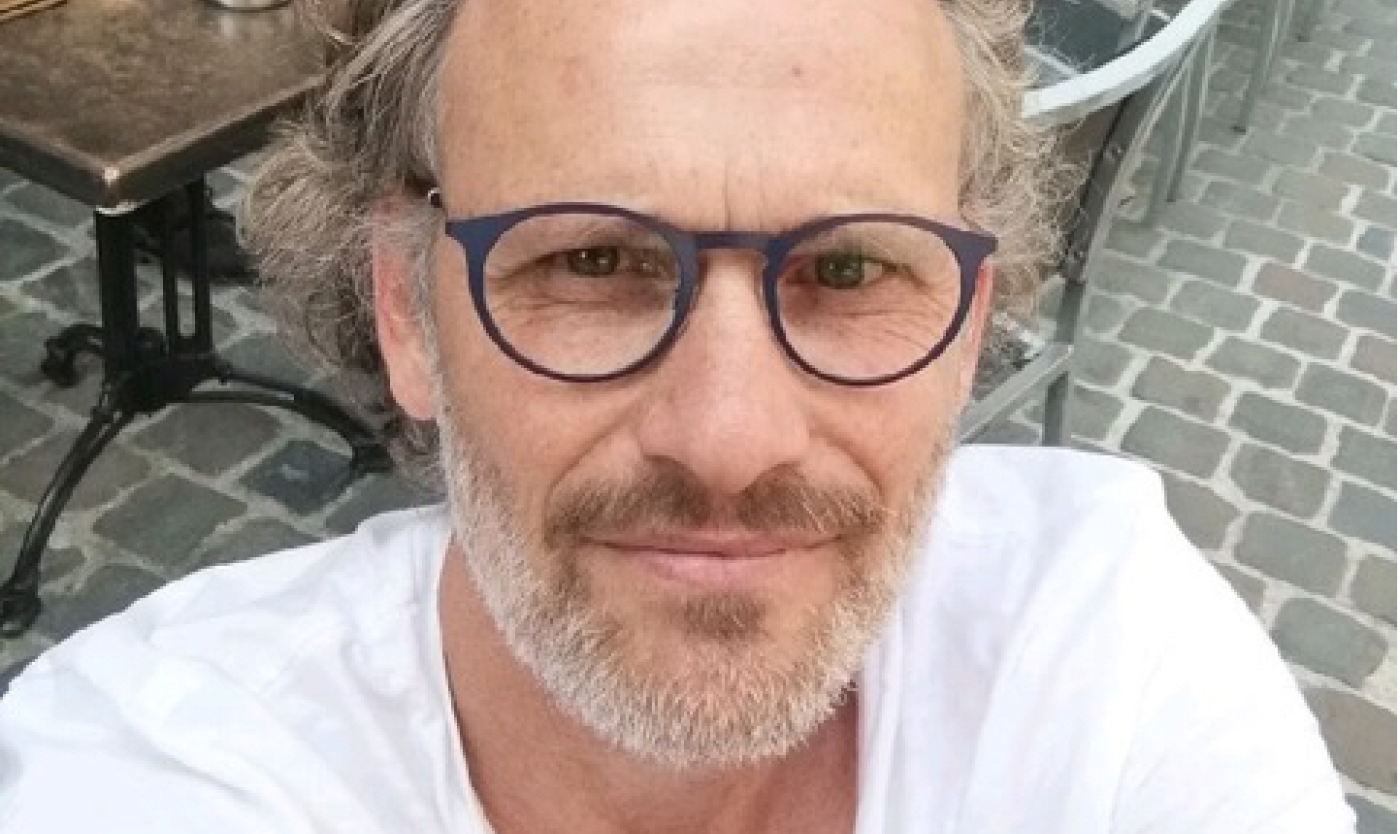
Marc Sarens (C) Wouter Cools
“VR technology is evolving fast, but the future remains uncertain”
What do you think is the biggest misconception about VR sport and health?
“That people think it doesn’t involve real physical activity, or that it makes you feel sick. ‘VR sickness’ used to be more common, but improvements in image quality and speed have reduced the likelihood of nausea. And as for exercise: it’s clear that people are physically active. There are even examples of people practising a skill, like table tennis, in VR and then performing better in the real world afterwards.”
Where do you see VR sports in European schools in five years’ time?
“That’s hard to say. It could go in any direction. On one hand, there’s a lot of potential. On the other, it depends on the technology and the companies investing in it. If investment continues, it will keep evolving. But that’s far from guaranteed. Meta recently decided to reduce investment in pure virtual reality development and shift the focus of its Reality Labs division towards artificial intelligence and augmented reality.”
Biography
Marc Sarens is a doctoral student and researcher at the Vrije Universiteit Brussel and a lecturer at the Erasmus University College Brussels. He holds a master’s degree in physical education and coordinates European projects on sport and digitalisation at VUB, including the VIBES project (VUB contacts: Dr Wouter Cools (MILO) and Marc Sarens (Faculty of Physical Education)).