

When the Vrije Universiteit Brussel (VUB) became the first university in Europe to adopt the Compassionate University designation in 2019, it marked an ambitious commitment. Seven years later, that approach is attracting international interest. On 11 June, the university welcomed a delegation from the City of Québec and Université Laval. The Canadian partners are exploring how they can develop a Compassionate City and Compassionate University of their own, and visited VUB to learn from its experience and draw inspiration from its journey.
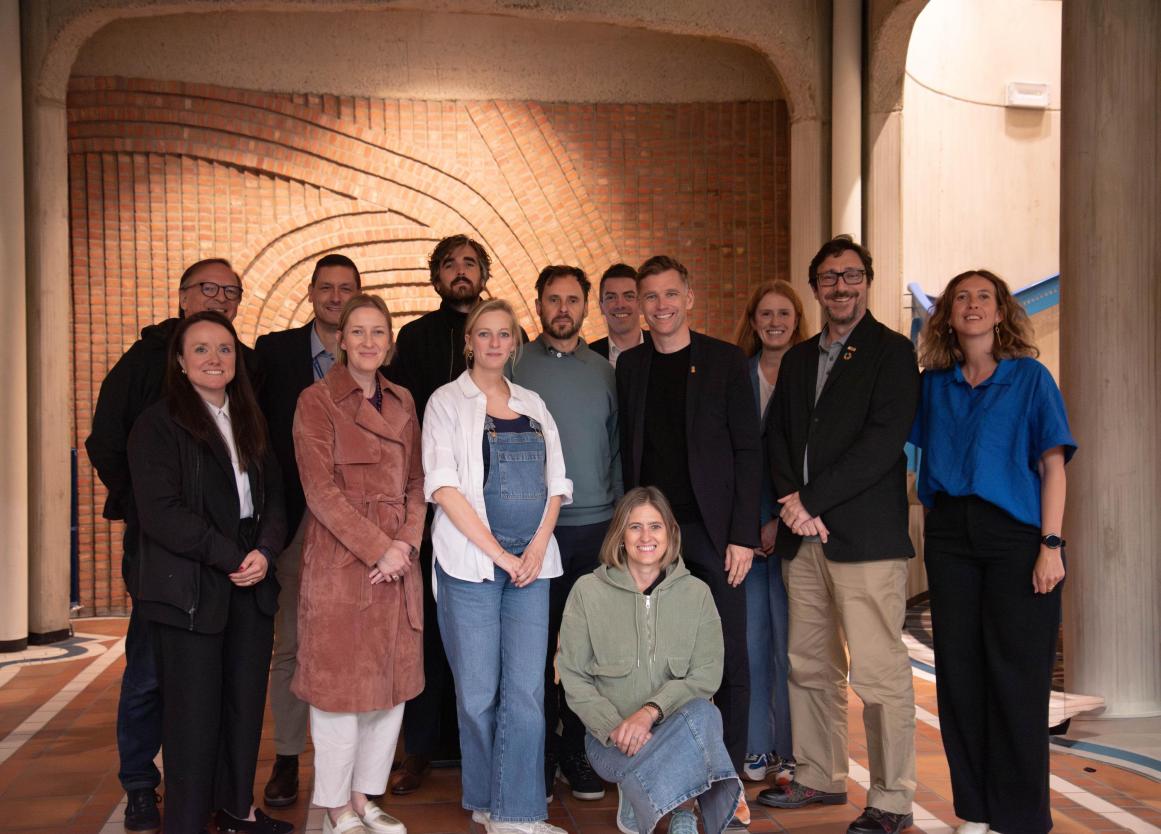
The delegation included Professor Diane Tapp, Emmanuelle Careau (Deputy Vice-Rector) and Stéphane Roche (Director of the Institute for Environment, Development and Society) from Université Laval, alongside Bruno Marchand, Mayor of Québec, Jean-Simon Campbell, Director of Communications for the City of Québec, and Sarah-Eve Huot, International Relations Advisor.
At the heart of the visit was a simple yet important question: how do you build a community in which people support one another when illness, loss, grief or caring responsibilities become part of their lives? Rector Jan Danckaert welcomed the delegation and explained why VUB chose in 2019 to become Europe's first Compassionate University.
"If you genuinely care about the wellbeing and health of every member of your community, then you must also be there for students and colleagues who are confronted with loss, illness, pain or suffering. That is the essence of a Compassionate University: being there for one another."

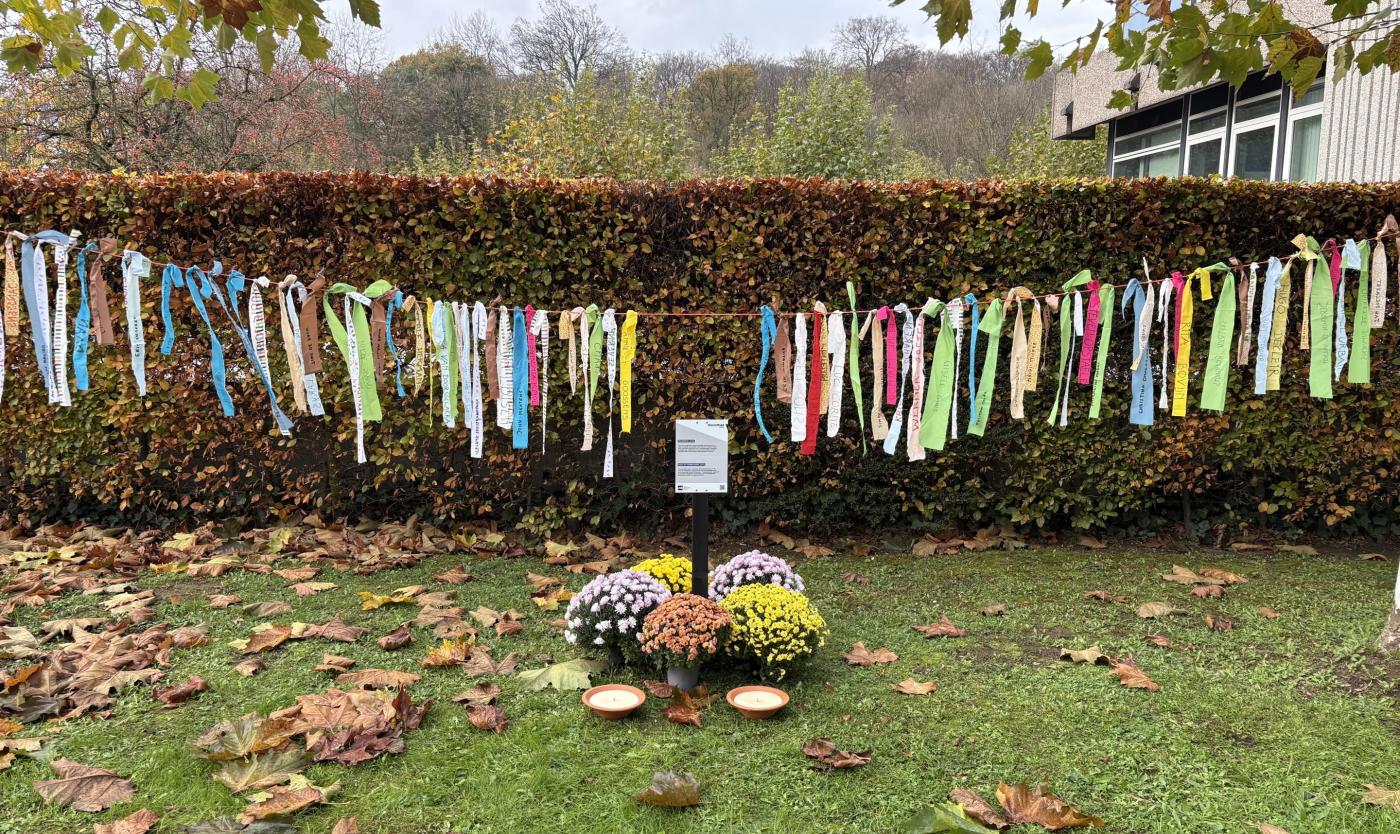
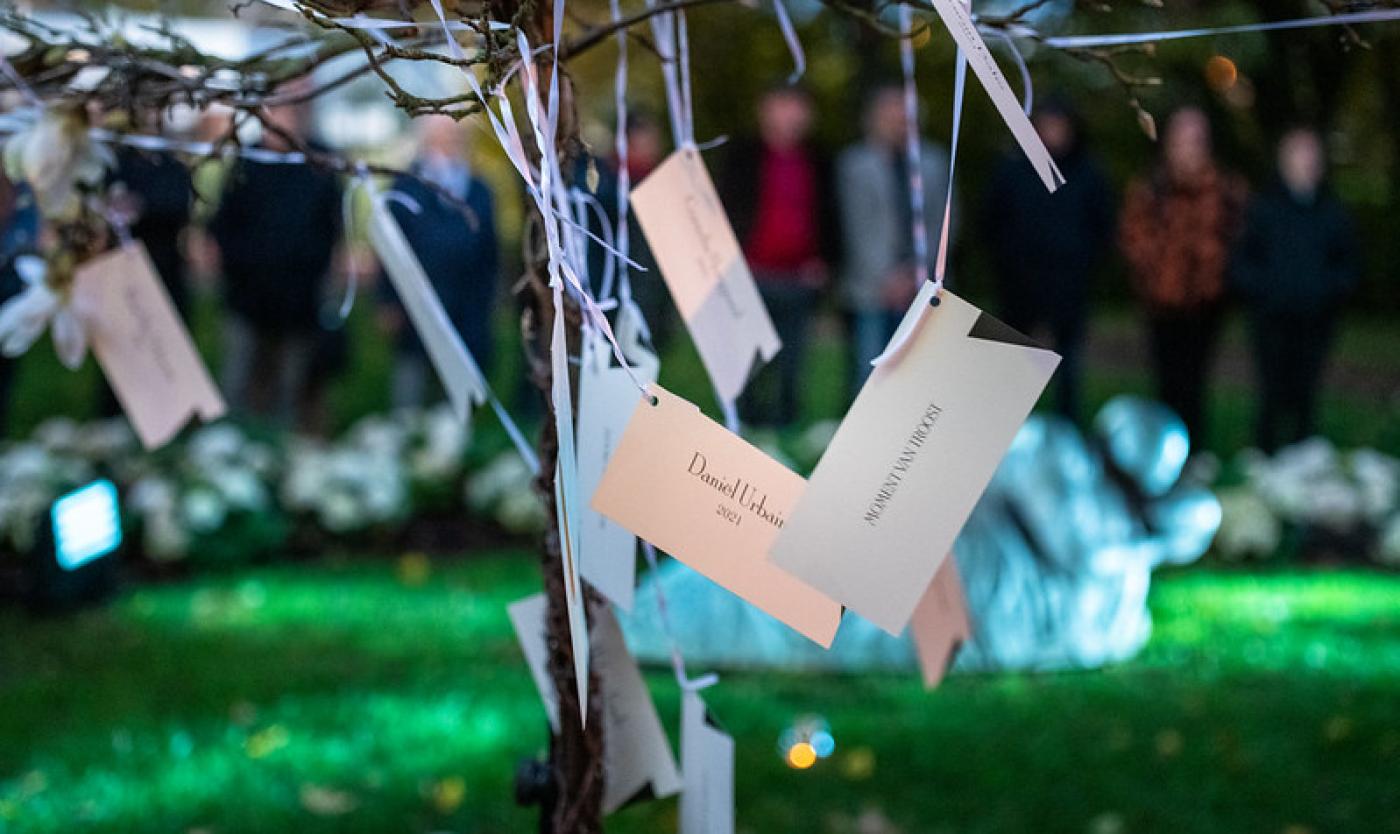
The Monument of Comfort on the Etterbeek campus
International exchange
The connections between VUB and its Canadian partners grew out of existing research collaborations, including those between Professor Sarah Dury and Professor Diane Tapp. Through the Compassionate Communities Centre of Expertise (COCO), VUB has been building international partnerships around compassionate communities for many years. The centre collaborates with partners in South Africa, among others, and is now further strengthening its ties with Canada.
During the visit, the delegation learned how VUB has developed the Compassionate University concept over recent years. The experiences of the Compassionate Cities initiatives in Bruges and Herzele were also discussed. The Monument of Comfort, the campus reflection and meeting space, provided a tangible example of how VUB embeds care and connectedness within its physical environment.
There is no blueprint for compassion
The discussions highlighted a challenge shared by many cities, universities and organisations: how do you build a Compassionate Community? And how do you measure its impact? Those embarking on such a journey often look for a roadmap or a proven model. VUB's experience, however, shows that no universal blueprint exists. Every organisation and community must find its own path, shaped by its local context, needs and opportunities.
This insight generated particular interest among the delegation from Québec. For a city administration especially, the question of how to sustainably embed a culture of care and civic engagement is highly relevant. At the same time, the exchange made clear that the impact of a Compassionate Community cannot always be captured through statistics or traditional evaluation methods. Above all, it is a cultural shift that develops gradually and often only becomes visible over the longer term.
From pioneer to source of inspiration
For VUB, the visit confirms the international relevance of the Compassionate Communities approach and the university's pioneering role in advancing it. Since signing its commitment in 2019, VUB has worked to create an environment where issues such as serious illness, loss, grief and informal caregiving can be openly discussed, and where students and staff can find support when facing these challenges. This ambition is reflected in awareness-raising initiatives such as the annual Compassionate Week, which will once again take place this November, but also in scientific research, internal policies and practices, support during difficult moments (such as the death of a student or colleague), the annual Moment of Comfort, and the activities of the COCO Centre of Expertise.
The exchange with the delegation from Québec also provided fresh insights into how different social and governance contexts address questions of care, connectedness and solidarity. While concrete follow-up projects still need to take shape, both sides expressed a clear ambition to deepen the collaboration.
What began as an introductory visit evolved into a conversation between partners who share the same conviction: strong communities are built not only through what people achieve together, but also through how they care for one another.
About Compassionate University
In 2019, VUB signed a declaration of intent to become a Compassionate University. Through this commitment, the university seeks to make issues such as serious illness, loss, grief and informal caregiving visible and open for discussion within its community. Through initiatives such as the Monument of Comfort, grief support guides, awareness campaigns and the Compassionate Communities Centre of Expertise (COCO), VUB is creating a warm and supportive environment for students and staff. As a pioneer in Europe, the university also plays an active role in building an international network of Compassionate Communities.