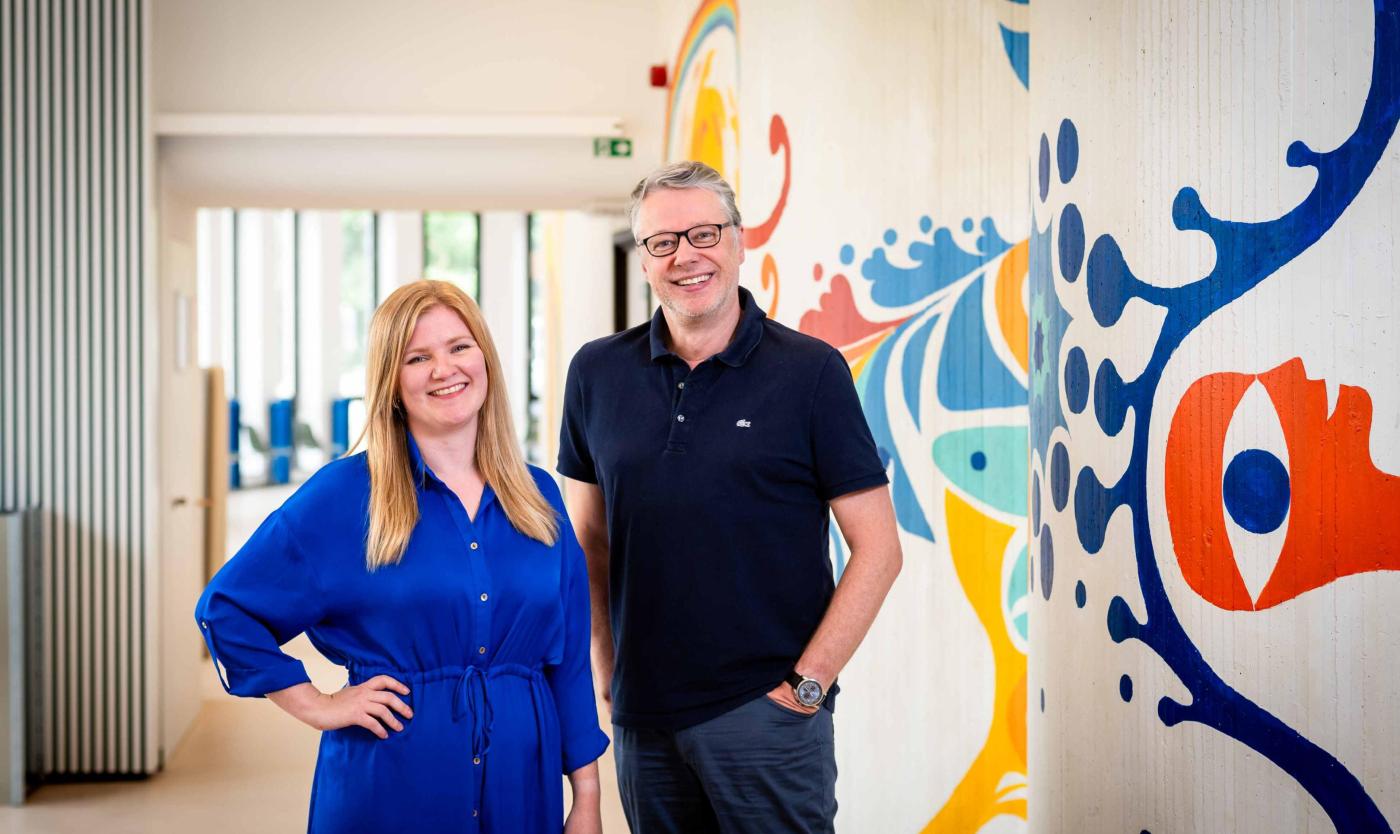


The laureates of the 2026 Science Awards have been announced. The honoured scientists are oncologist Ilse Rooman, reproductive biologist Ellen Goossens, endocrinologist Willem Staels, structural biologist Wim Versées, and physicist Vincent Ginis. The awards recognise pioneers whose groundbreaking research advances their field and who serve as role models for future generations.
The ceremony will take place at the VUB Health Campus in Jette on Thursday 30 April.
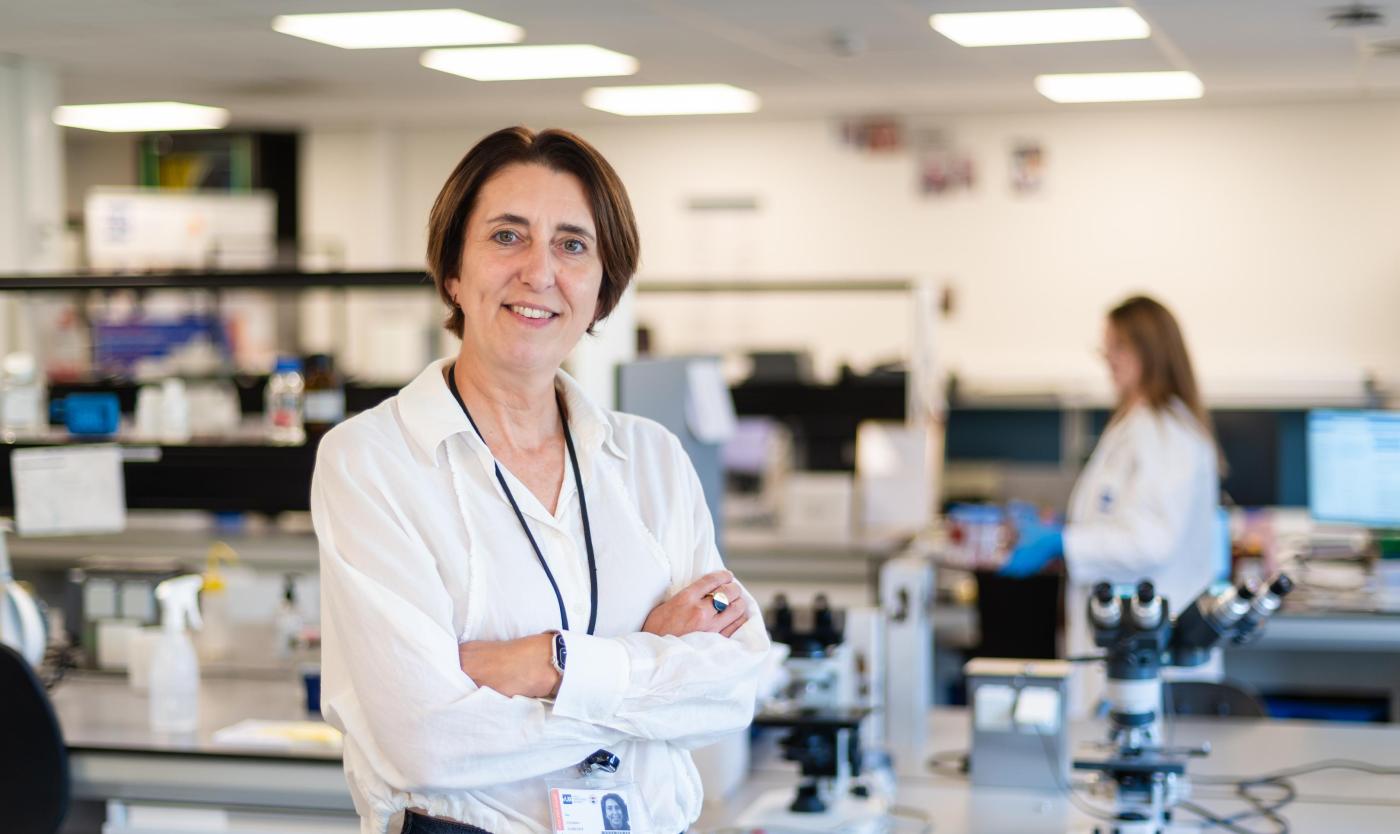
Roger Van Geen price – Ilse Rooman
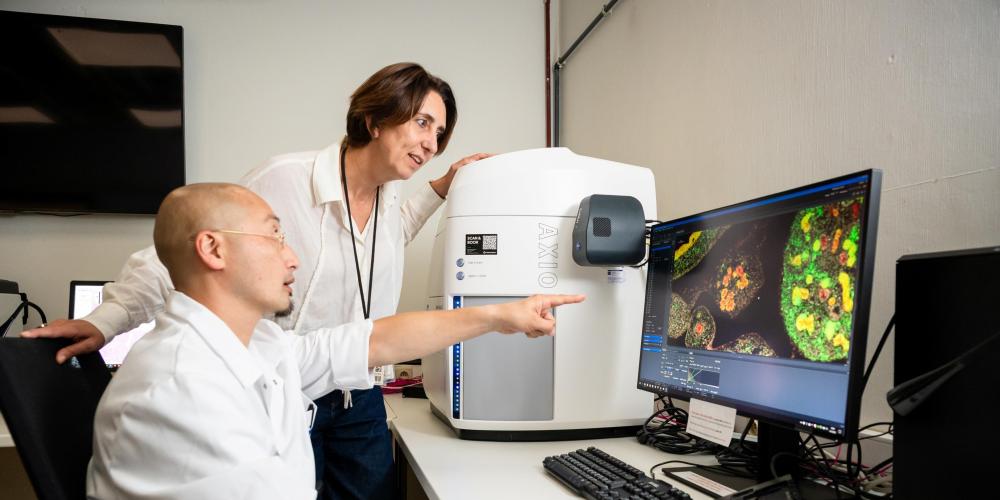
The Roger Van Geen Prize recognises researchers with exceptional scientific achievements. Laureate Ilse Rooman has built a strong international reputation over the past twenty years as an expert in pancreatic cancer research and has received wide recognition for her innovative insights into how cells change behaviour and can develop into tumours. Rooman established successful research groups in Sydney and at VUB, securing significant funding along the way. At VUB, she has given cancer research a major boost through VSTA, a high-tech infrastructure that enables researchers to analyse tissue in the finest detail. She has also played a key role in BruPaCT, a Brussels-based network that brings together pancreatic cancer research. International advisory boards, editorial boards, and governing bodies have frequently called on her expertise.
Rooman intends to use the prize to accelerate the next step in her research: mapping specific cells in detail during the earliest stages of pancreatic lesions.
Hilde Bruers Price – Willem Staels
The Hilde Bruers Prize is awarded to early-career researchers in the life sciences with up to ten years of experience. Willem Staels combines his work as a paediatric endocrinologist with a rapidly growing research career in diabetes. In recent years, he has provided important new insights into how iron metabolism and signals from blood vessels influence the development and function of insulin-producing cells, and how these cells might be able to recover. With several research grants, including an ERC Starting Grant, Staels has established a strong research line at VUB that links fundamental science to practical applications for patients. This ranges from therapies that modulate the immune system to strategies for growing new insulin-producing cells for people with type 1 diabetes. His research is directly informed by his daily work with children with diabetes. This combination of clinical experience and scientific curiosity underpins his ambition to move, in the long term, from lifelong treatment towards a genuine cure.
With the Hilde Bruers Prize, Staels aims to develop an integrated Brussels centre for paediatric diabetes, where care, technology, and innovative research work closely together.
Franz Bingen Price – Wim Versées
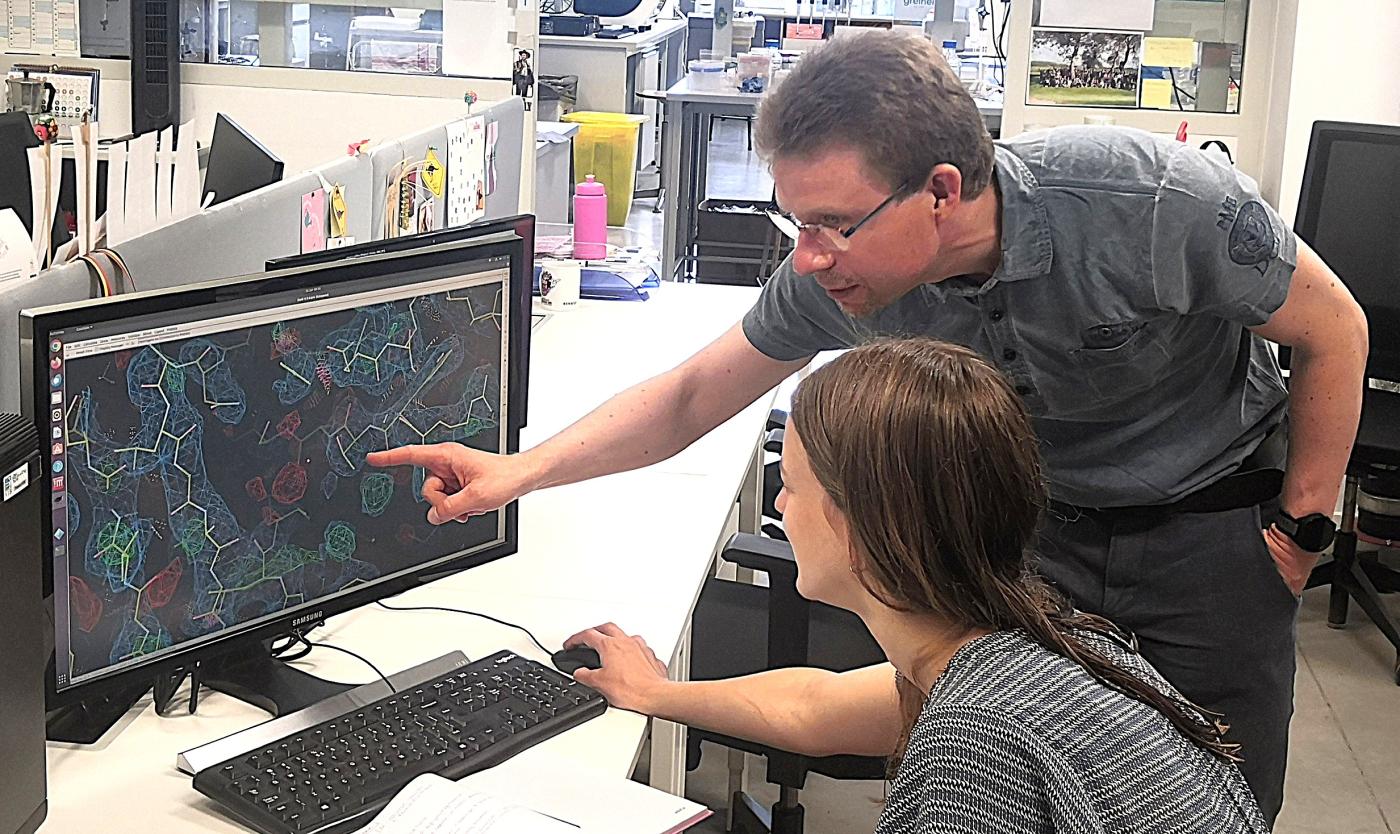
The Franz Bingen Prize recognises researchers with 10 to 25 years of experience in the basic, natural and applied sciences, as well as in bioengineering. In recent years, Wim Versées has led a leading research programme in structural biology. Together with his team, he is unravelling how proteins involved in disease function, down to the level of individual atoms. He translates these insights into new strategies to tackle neurodegenerative conditions, such as Parkinson’s disease and certain forms of epilepsy, as well as persistent bacterial infections. His research group has achieved major breakthroughs involving proteins such as LRRK2, GBA1, Skywalker and ObgE. This work has led to innovative nanobodies — small, highly targeted protein building blocks — and opened up new avenues for antibiotic development. With 84 publications in leading journals, several patents, prestigious funding, and international recognition — including an Impact Award from the Parkinson Foundation — Versées demonstrates how fundamental research can lead to applications with real relevance for patients. In addition, he has built a strong research team, is actively engaged in teaching and university governance, and communicates his work widely through the media, patient organisations, and public engagement initiatives.
Liebaers–Van Steirteghem Price — Ellen Goossens
The Liebaers–Van Steirteghem Prize is awarded to researchers in the life sciences with 10 to 25 years of experience. Over the past twenty years, Ellen Goossens has built a strong international reputation in male reproductive biology. She has carried out pioneering work on the development of sperm cells, both in the body and in the laboratory, with a focus on preserving fertility in boys and men who face a high risk of infertility later in life. Her team has succeeded in translating experimental techniques — such as the preservation of testicular tissue, the transplantation of stem cells capable of producing sperm cells, and the implantation of testicular tissue fragments — from the laboratory into clinical practice. This led to a world first in 2023: the first transplantation of a man’s own testicular tissue in an adult patient. With more than 125 scientific publications and support from European, Flemish and VUB funding, Goossens has developed a fully integrated research and care pathway, in which fundamental research, advanced 3D models of testicular function, and clinical studies come together seamlessly.
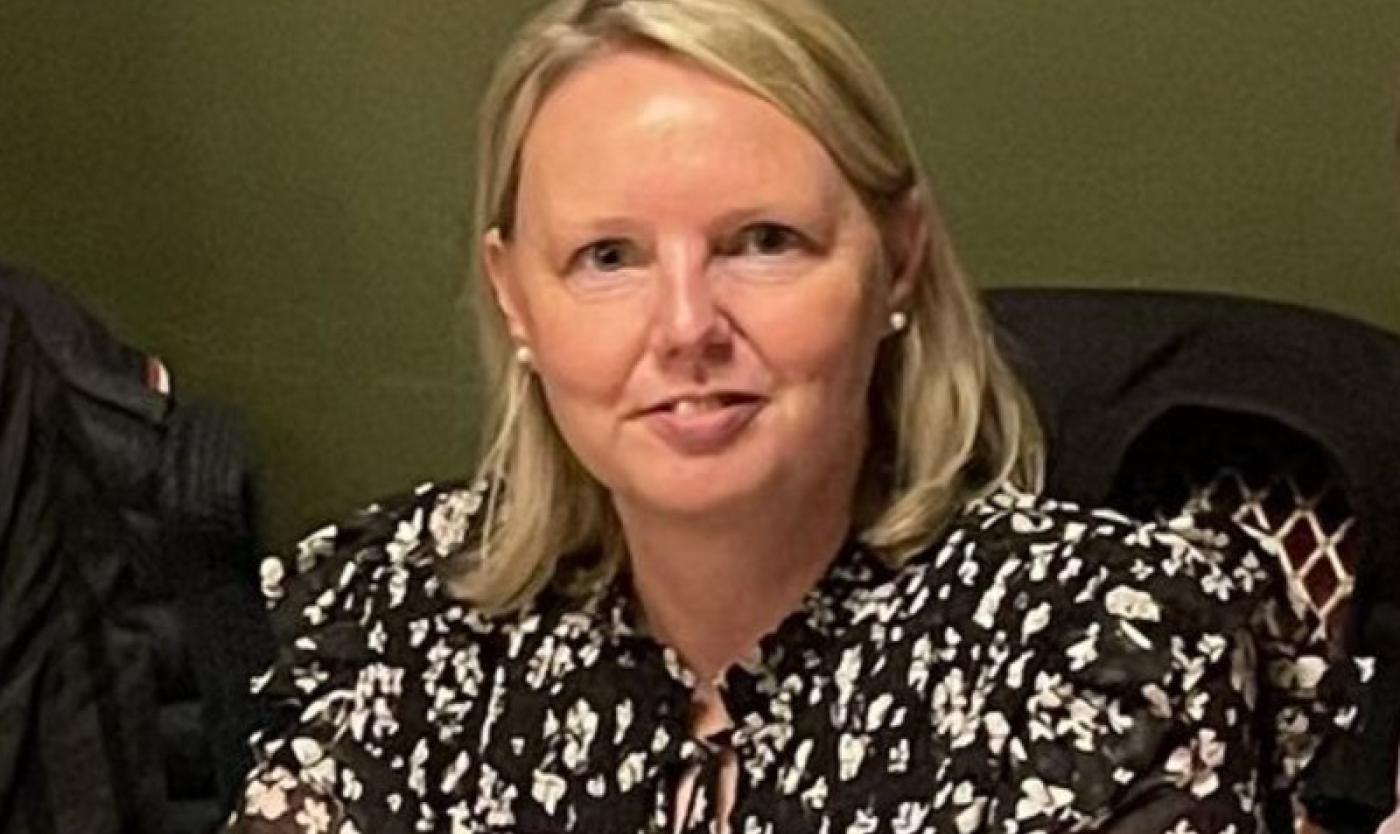
With the Liebaers–Van Steirteghem Prize, she aims to further expand her clinical study and accelerate research into the development of sperm cells in the laboratory.
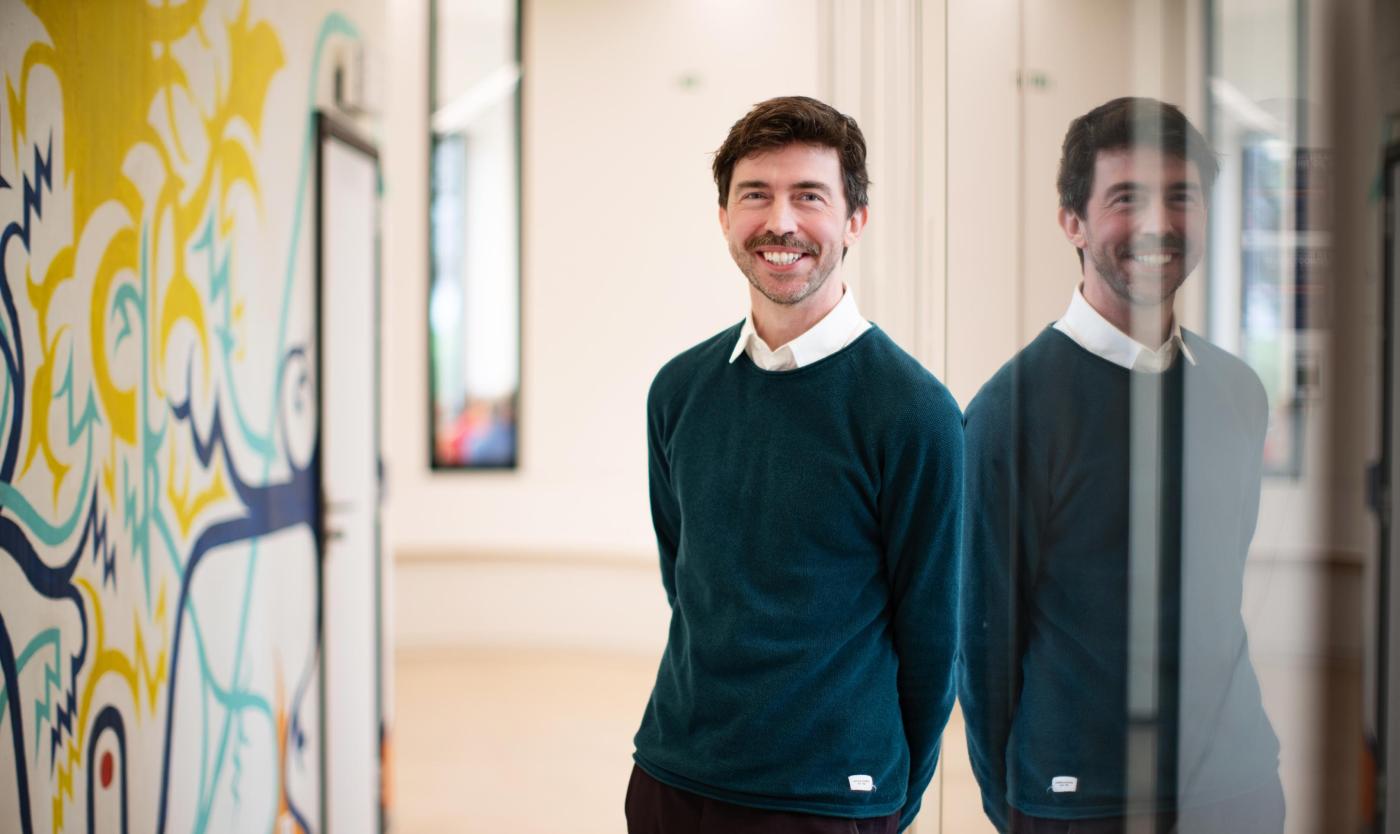
Silvain Loccufier Price - Vincent Ginis
The Silvain Loccufier Prize has been awarded to Vincent Ginis. This career prize recognises researchers who combine scientific excellence with societal impact, in the spirit of independent research and the humanist values of VUB. Vincent Ginis is a VUB researcher working at the intersection of physics, artificial intelligence, and complex systems. His scientific work ranges from research into exotic materials and methods for controlling light — collaborating with Harvard and publishing in leading journals such as Science, Nature Photonics, and PNAS — to developing new ways to better understand, test, and secure AI models. Beyond his research, Ginis is an outspoken voice in the public debate on the impact of AI and future forms of artificial intelligence on work, education, and society. He communicates technological developments clearly in the media, advocates for open and verifiable science, and warns of the risks posed by opaque algorithms and self-reinforcing feedback loops. He has previously been inducted into the Young Academy and named one of Belgium’s fifty most important technological pioneers.