

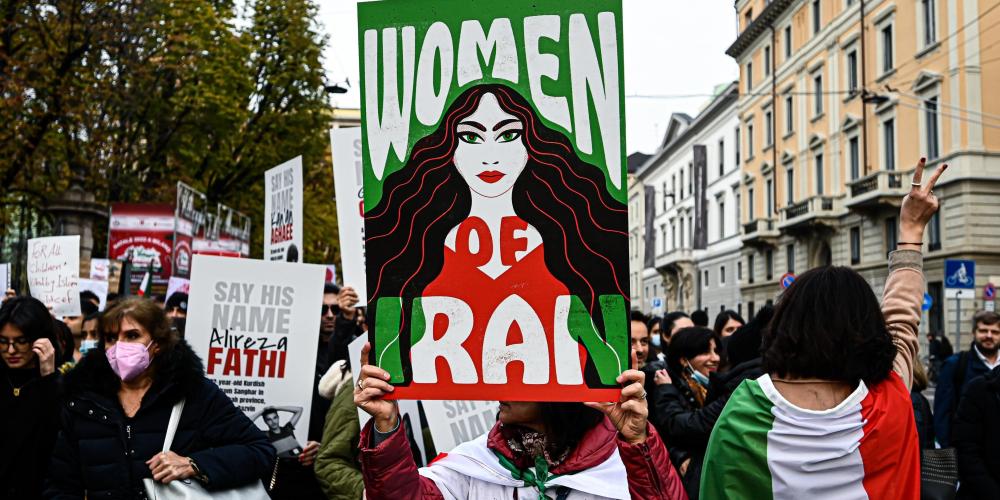


Not since the 1979 revolution has the Iranian regime come under such pressure from street protests. For the first time since 2009, demonstrators are openly calling for an end to the rule of the ayatollahs. According to Professor of International Politics Koert Debeuf (VUB), that is significant — but predictions remain risky: 'The protests aren’t yet large enough, though you can sense the regime is becoming more cautious.' The original interview appeared in De Morgen. You can read the full piece here (behind a paywall).
The economic crisis, corruption, and failed reforms are fuelling public discontent. Last year’s Israeli attack, during which Mossad operated freely, also undermined Tehran’s authority. A possible catalyst? The resignation or death of the 86-year-old Ayatollah Khamenei. “That would raise the question of who succeeds him. The generation of 1979 is gone,” says Debeuf.
Still, he warns against oversimplification: Iran is far more diverse than often assumed. In addition to left-wing movements and monarchists, there are regional groups such as the Azeris and Baloch, as well as a growing atheist population. “Those who lose power often lose their faith too,” Debeuf notes.
Even in the event of regime change, chaos looms. The Revolutionary Guard, ideologically embedded in the system, is unlikely to step aside. “This isn’t a straightforward power regime like in Egypt or Syria. It’s an ideological construct, comparable to communism in the Soviet Union. The structure remains in place, but public support is crumbling.”