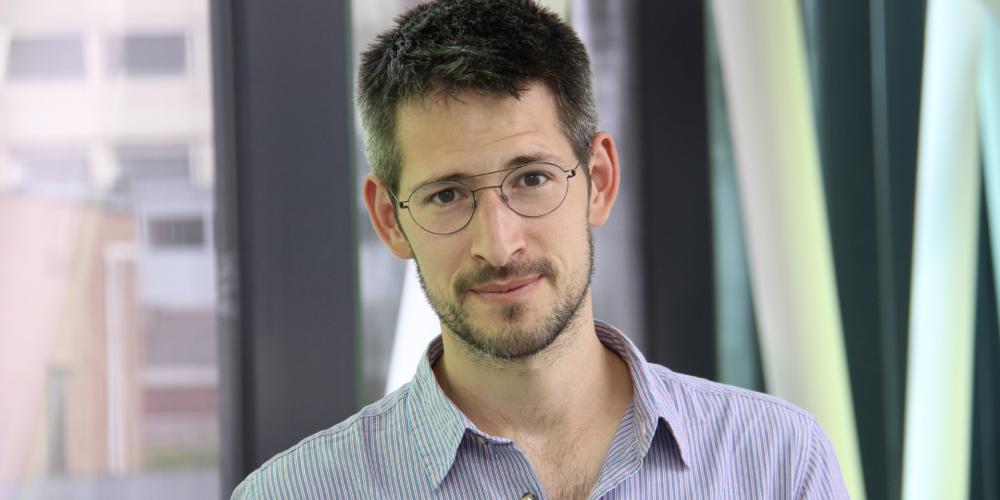


Willem Staels is a physician and researcher at Vrije Universiteit Brussel and UZ Brussels. He has been awarded the Hilde Bruers Prize, which is presented to young researchers in the life sciences. Staels combines his work as a paediatrician with a successful research career in diabetes, in which he has made rapid and significant progress in recent years.
The award ceremony will take place at the VUB Health Campus in Jette on Thursday, 30 April.
What does the prize mean to you?
“This prize is a valuable recognition of our research, through which my team and I aim to contribute to the development of a cure for diabetes. The Hilde Bruers Prize is also particularly meaningful to me because my two most recent predecessors, Professor Herman Tournaye and Professor Bart Keymeulen, are, for me, examples of successful physician‑scientists on our campus.
Years ago, I approached them to ask how they had managed to successfully combine patient care with scientific research. In that sense, they have been important role models for me.”
What has been the highlight of your scientific career?
“I am now 39, so I hope that the highlight of my scientific career is still to come. In 2020, after a postdoctoral fellowship in Paris, I returned to VUB and UZ Brussels. The past five years have been particularly intense: working hard to combine clinical practice and research while at the same time building a research line that can truly make a difference.
This year has already been a special one, with a fruitful output of publications and – more importantly – the associated scientific insights. In addition, several PhD students are on track for successful defences. If I nevertheless had to identify one highlight today, it would above all be the people around me: the strong, committed team at VUB and UZ Brussels that I am proud to be part of.”
What enabled you to conduct top‑level research at VUB?
“At VUB, I have truly been supported by others. I was also given the freedom to follow my intuition. At the hospital, I received the trust of the paediatrics department and the hospital management to devote myself consistently to research alongside my role as a physician – with the ultimate goal of advancing medicine and becoming the best possible doctor I can be.
At VUB, I have also been extremely fortunate with my mentor, Professor Harry Heimberg. He placed great trust in me and gave me the space to grow within the Beta Cell Neogenesis (BENE) research group. Not many researchers of his stature make room so naturally for young, ambitious scientists.
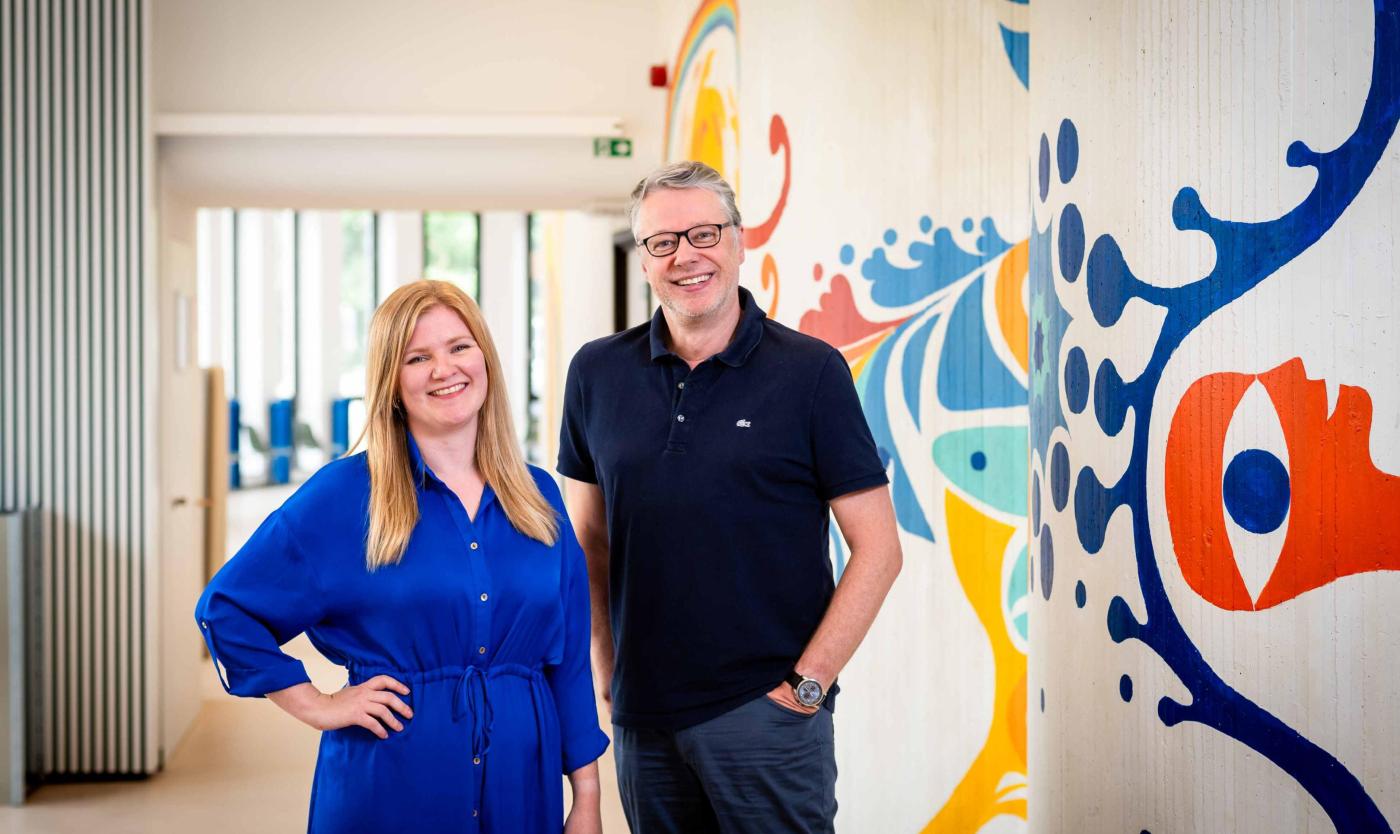
In addition, within BENE I form a strong tandem with my colleague and close friend Nico De Leu. We act as sounding boards for each other, both in the early development of ideas and throughout their full elaboration. We do this consciously together. I strongly believe in the multiple principal investigators model: it helps to identify weaknesses in hypotheses or interpretations and to strengthen each other’s ideas, ultimately leading to genuine, synergetic innovation.””
Bio Willem Staels
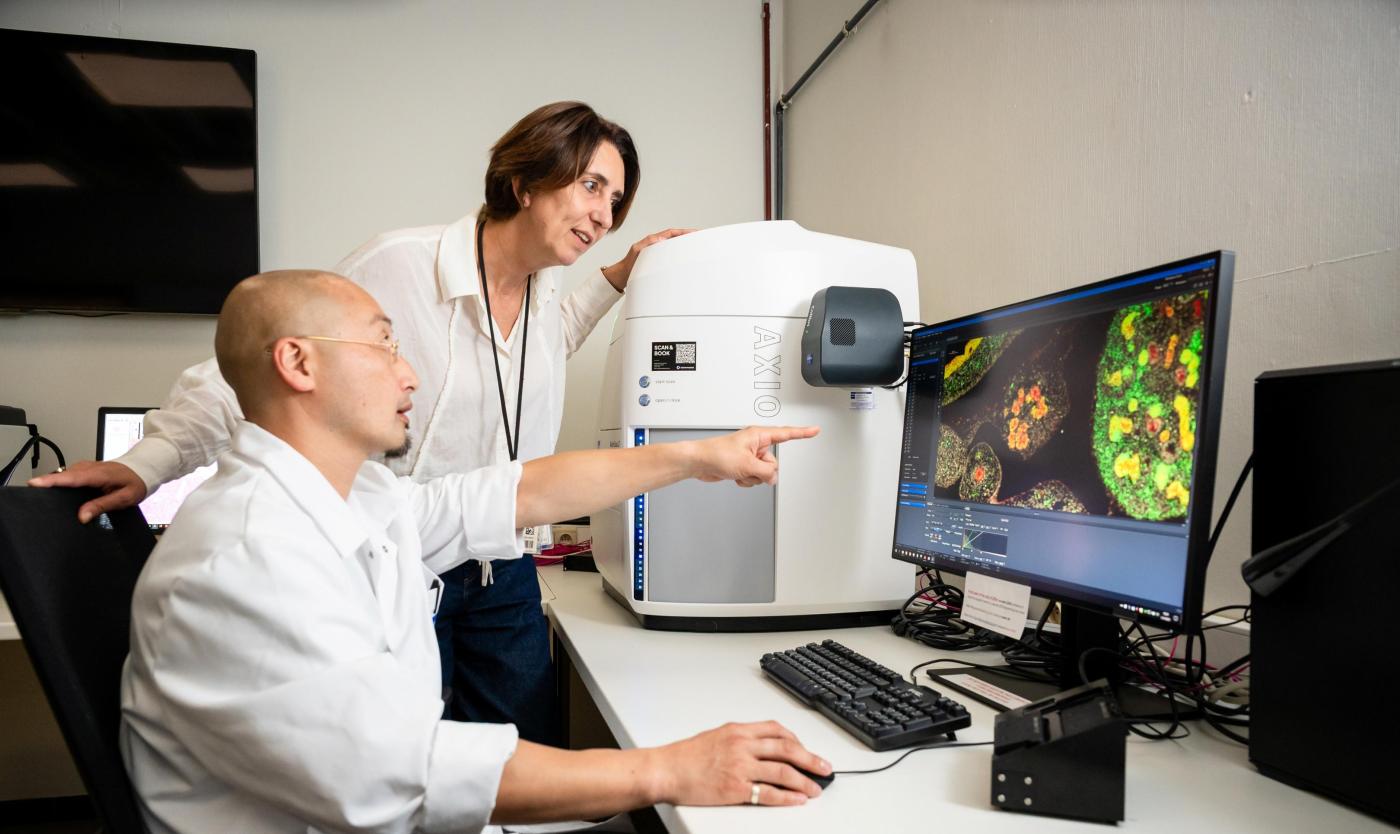
Willem Staels is searching for new ways not only to treat diabetes, but ultimately to halt or even reverse the disease. His research focuses on the insulin‑producing cell in the pancreas: what this cell does exactly, why it no longer functions properly in diabetes, and how it can be protected or made to function again.
In recent years, Staels has gained broad recognition for research showing that factors such as iron and blood vessels have an unexpectedly large impact on these crucial cells. This work has led to new insights into both type 1 and type 2 diabetes and has opened up promising perspectives for therapies that go beyond lifelong insulin administration.
With support from several prestigious research grants, including an ERC Starting Grant, he has built a strong research programme at VUB that connects laboratory science with solutions for patients. His work sits at the intersection of medicine and innovation, ranging from treatments that modulate the immune system to promising strategies in which new insulin‑producing cells are generated from stem cells. Daily contact with children and families living with diabetes sharpens his research questions and reinforces his motivation: to move from continuous disease management towards genuine, lasting cures.