

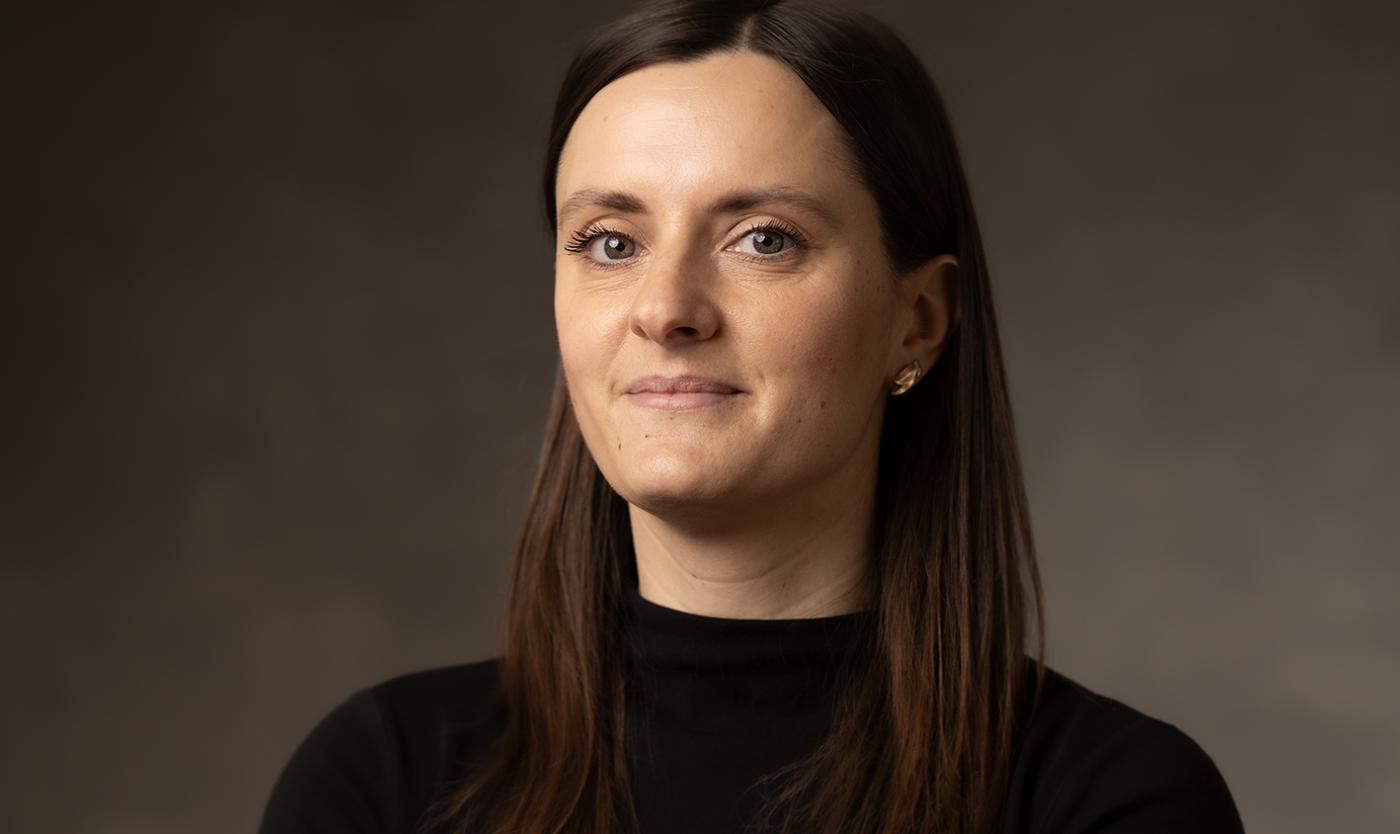
“In my ideal world, we would use science not only to explain pain, but to offer people living with pain a renewed sense of perspective”
Anneleen Malfliet
Professor of Physiotherapy
“I initially chose physiotherapy because it seemed to me the perfect combination of science, care and human contact. It’s a profession where you can work analytically while being present for people on a human level. It was only later, quite unexpectedly, that the academic world came into view. A professor asked me if I was interested in pursuing a PhD. The fact that someone saw that potential in me made me take the possibility seriously for the first time.”
“The real focus of my work only became clear in my final year of my master’s. That’s when I noticed how wide the gap can be between theory and practice. What we learned was often not enough to truly help patients, especially those with complex conditions. Their stories were richer, more layered and less straightforward than the models we used. Too little attention was paid to the full picture. That insight led me to the field of chronic pain. When a PhD vacancy arose with a clear clinical focus in this area, it felt like a real opportunity to contribute meaningfully to care for these patients.”
Today, my work sits at the intersection of chronic pain, lifestyle, and behavioural interventions. I research, among other things, the relationship between sleep and pain/functioning, dietary patterns and pain/functioning, across various chronic populations. I also explicitly examine how these insights can be integrated into the daily practice of physiotherapists. It is not just about what works, but also how to make it feasible within the realities of the profession.
Public perception of physiotherapy often remains limited to exercises or manual techniques, whereas the reality is much broader. Physiotherapists work from a biopsychosocial framework, paying attention to stress, sleep, lifestyle, and psychological factors. The legal and organisational frameworks do not always reflect this reality. Through scientific research and publications, we also aim to drive change in this area, ensuring the profession is recognised for what it truly entails today.
“A major mental shift came when I learned to let go of the idea that everything depends on performance and visibility, to choose quality over quantity, and to be truly present for colleagues and researchers.”
My work combines multiple roles: I see patients, collect and analyse data in studies I conduct or coordinate, collaborate with a highly motivated team of (PhD) researchers, and teach students and clinicians. What drives me is the observation that care for people with long-term pain is often fragmented and difficult to access. People receive conflicting messages and do not always know where to turn. Accessibility is a major issue: long waiting lists, uncertainty about which practitioner is suitable for which condition, and people who cannot find their way to care at all. That is why I also research stepwise care models, so that patients reach the right place faster and receive coherent care.
I do not focus on major breakthroughs. For me, progress often comes in small shifts. A key mental shift came when I learned to let go of the belief that everything hinges on performance and visibility. Beyond hard work, luck plays a bigger role than we often want to admit. This insight allowed me to choose quality over quantity, and to be truly present for colleagues and researchers. People perform better when they feel safe and supported.
I hope that in twenty years’ time, I will see that through care and attentiveness I have had an impact on the research environment and on the care of people with chronic conditions. I wish for physiotherapists to graduate with the same enthusiasm on this topic, and for misconceptions about pain to diminish, with greater focus on movement and self-care.
For myself, I want to stay close to patients and protect humanity within a performance-driven academic context. I draw inspiration partly from figures like Caroline Pauwels, but mostly from the people closest to me. I first think of my grandmother — almost ninety: strong, forthright, and with a clear opinion — and my parents, the foundation of who I am today as a scientist. I wish for every growing girl to be raised in an environment where choices can be made based on interest and motivation, rather than stereotyped by gender.”
BIO
Anneleen Malfliet is a physiotherapist and professor at Vrije Universiteit Brussel (VUB), affiliated with the Pain in Motion research group. Her research focuses on chronic pain and the role of lifestyle, behaviour, and biopsychosocial factors in functioning and recovery.
She combines clinical work with teaching and research, and is committed to developing integrated, accessible care models for people living with long-term pain.
In a rapidly changing world, independent, science-based insights are indispensable. Anneleen provides journalists and editorial teams with clear analysis and context on current issues, within her fields of expertise.
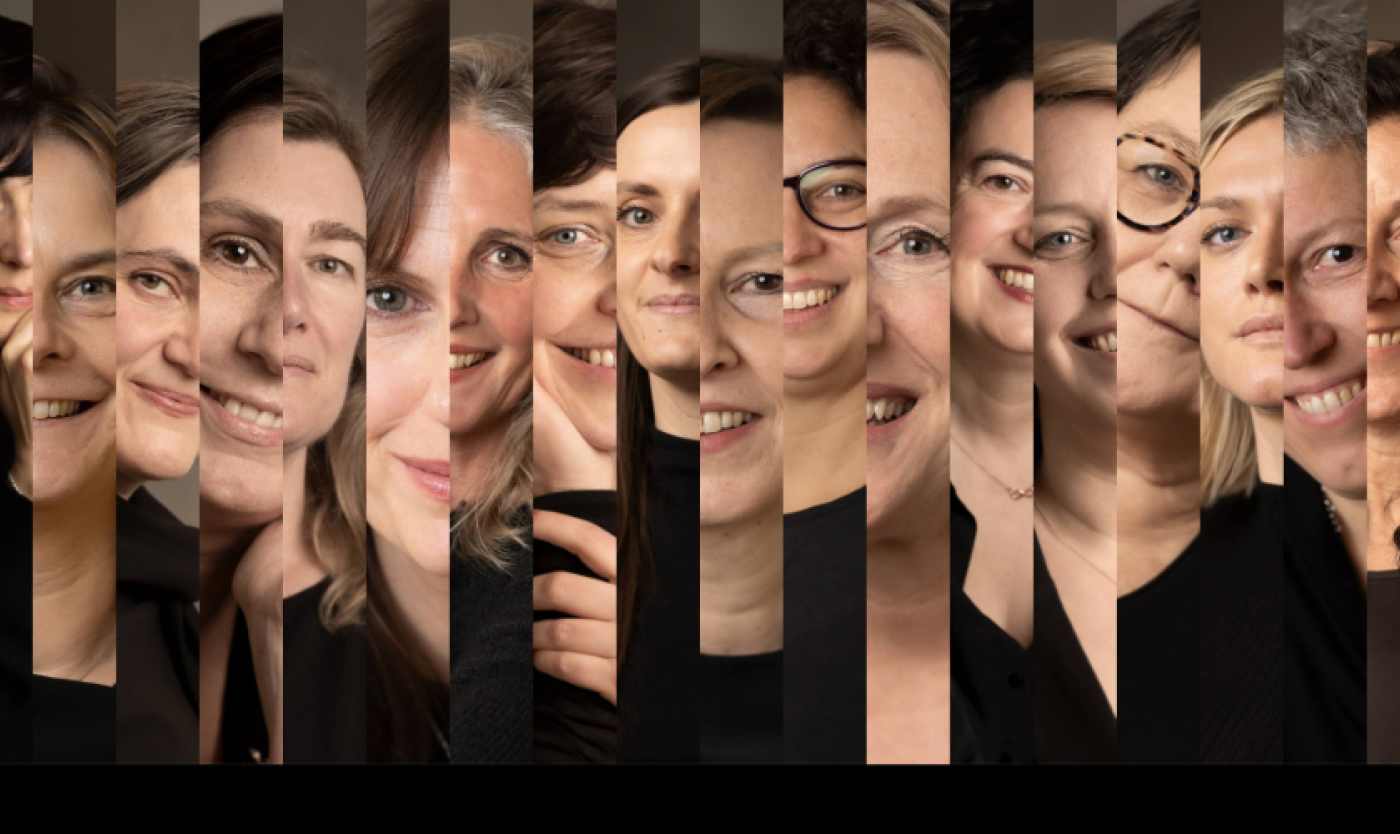
Women shaping science. You make it possible.
This campaign is more than a tribute. It is an invitation to reflect on the role of female scientists and on the obstacles they still face in fully realising their potential. But visibility alone is not enough. Women remain underrepresented in research, receive fewer opportunities, and encounter barriers more frequently throughout their academic careers.
With your donation, you help female researchers to continue their work, develop new insights and find solutions to the challenges of tomorrow.
