

“If enough ‘architects of hope’ find each other and connect their islands, something greater can emerge, perhaps even a world of hope”
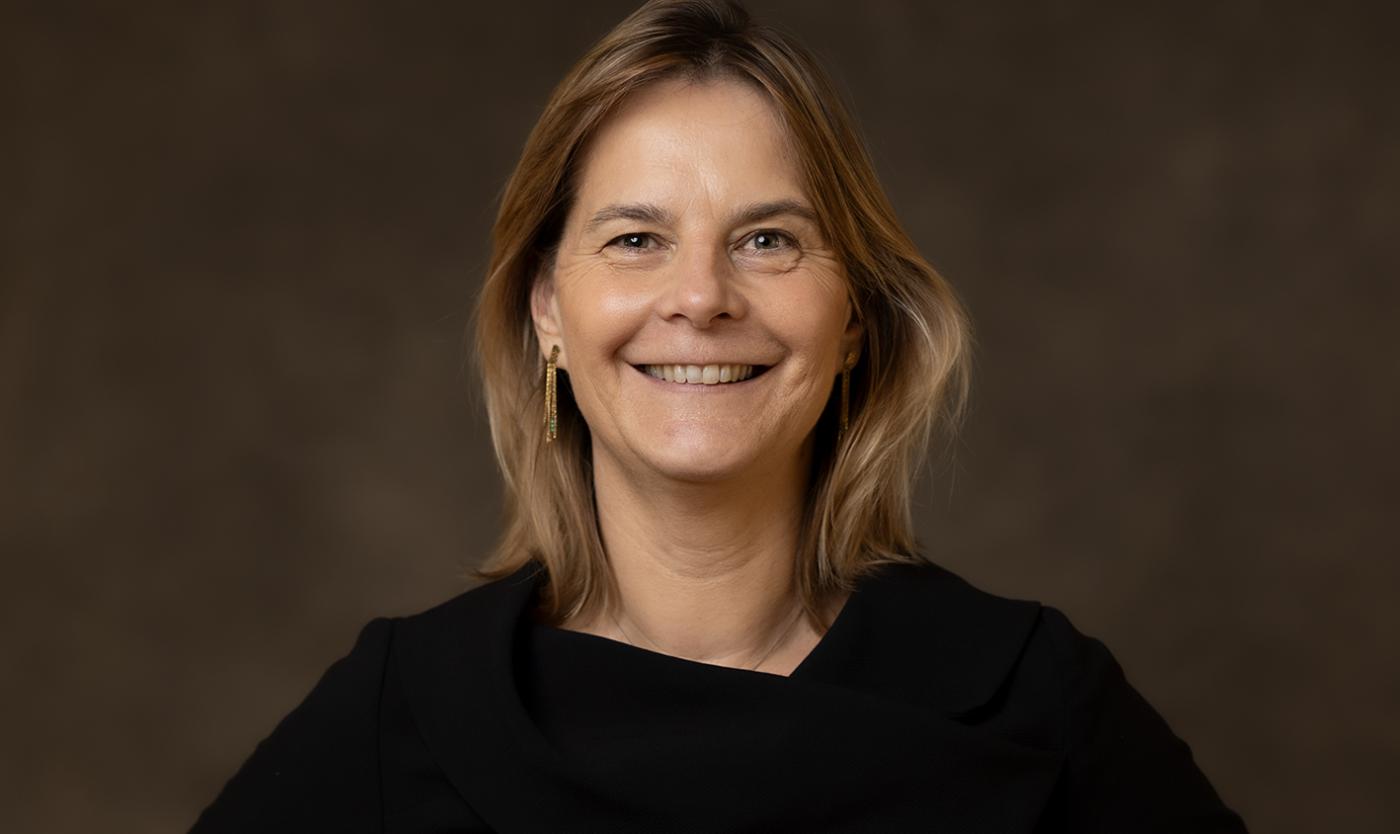
Cathy Macharis
Professor of Sustainability
“I never grew up saying, ‘I’m going to become a researcher in sustainable transitions.’ I fell into it. Over time, I realised that questions about the environment, society, justice, and change kept drawing me back. That curiosity has always been my compass.
Today, my work focuses on sustainable transitions: how personal change and societal change can reinforce each other. I developed a learning process that supports people, organisations, and researchers—so-called ‘architects of hope’—through complex change processes: the Factor 8 Compass. Together, we examine not only the context of a problem but also the beliefs and values at play. The core question is always: what can we let go of, and what can emerge or deserves support?
The polycrisis we face today—climate, biodiversity, inequality—is essentially a systemic crisis. What drives me is not treating symptoms or searching for quick fixes, but uncovering and addressing the underlying patterns and roots of these problems. Nobody can do that alone. Collaboration is therefore the common thread in everything I do.
Working transdisciplinarily is essential. Sustainability requires researchers to learn alongside citizens, civil society, NGOs, governments, businesses, and artists. Through the House of Sustainable Transitions (HOST), I create spaces where that collaboration can happen. Via the SWIFFT seed-funding programme, we support ‘islands of hope’: concrete practices where researchers and societal actors show that a more sustainable world is possible. At the same time, we conduct meta-research: what works in these transition experiments, and what role should the researcher play?
“Caroline Pauwels has always been a huge source of inspiration for me. She showed how academic leadership can be both sharp, warm, and culturally attuned.”
Education is also a crucial lever for me. Universities carry a special societal responsibility. That’s why I helped develop new sustainability courses where students learn not only to think but also to act, feel, and navigate complexity. It’s about daring to question familiar viewpoints—precisely because they have brought us to where we are today. It’s heartening to see how much students need that.
A pivotal moment in my career was founding the House of Sustainable Transitions: connecting sustainability with transdisciplinarity, systems thinking, and transformative learning. Together with other committed researchers, we have been able to launch numerous new initiatives.
My dream is for HOST to have a real, physical home. Every movement needs anchor points where people can land, connect, and experiment. Beyond that, I dream of a close-knit community where people can thrive and build a more sustainable world together. If enough ‘architects of hope’ find each other and connect their islands, something greater can emerge—perhaps even a world of hope. I continue to believe in that. Researchers play a key role in this, if we dare to take them out of their silos.
Caroline Pauwels has always been a major inspiration for me. She thought deeply, was authentically engaged, had a sense of humour, and could connect with a wide range of people. She showed that academic leadership can be sharp, warm, and culturally attuned at the same time. That her son is now doing his doctorate with me feels like a particularly special and moving coincidence.”
BIO
Cathy Macharis (b. 1971) is a full professor at the Vrije Universiteit Brussel (VUB), affiliated with the Faculty of Economics and Social Sciences. She teaches a range of courses on sustainability, transitions, and decision-making. Driven by her passion for advancing a more sustainable world, she founded the House of Sustainable Transitions (HOST), a transdisciplinary platform that brings together researchers, students, businesses, policymakers, and citizens to tackle the major sustainability challenges of our time. She is also co-director of Mobilise, the research group focused on urban mobility and sustainable logistics.
Cathy Macharis has published over 100 articles in international scientific journals and is the author or co-author of 12 books. Her most recent book, Land van Hoop (Land of Hope), advocates for a systemic and hopeful approach to the sustainability crisis. Among her contributions is the development of the Multi-Actor Multi-Criteria Analysis (MAMCA), a methodology that gives multiple stakeholders a voice in complex sustainability decisions. In recent years, she has also focused on climate constellations, an embodied and experiential method to better understand and guide complex transition processes.
In a rapidly changing world, independent, science-based insights are indispensable. Cathy provides journalists and editorial teams with clear analysis and context on current issues, within her fields of expertise.
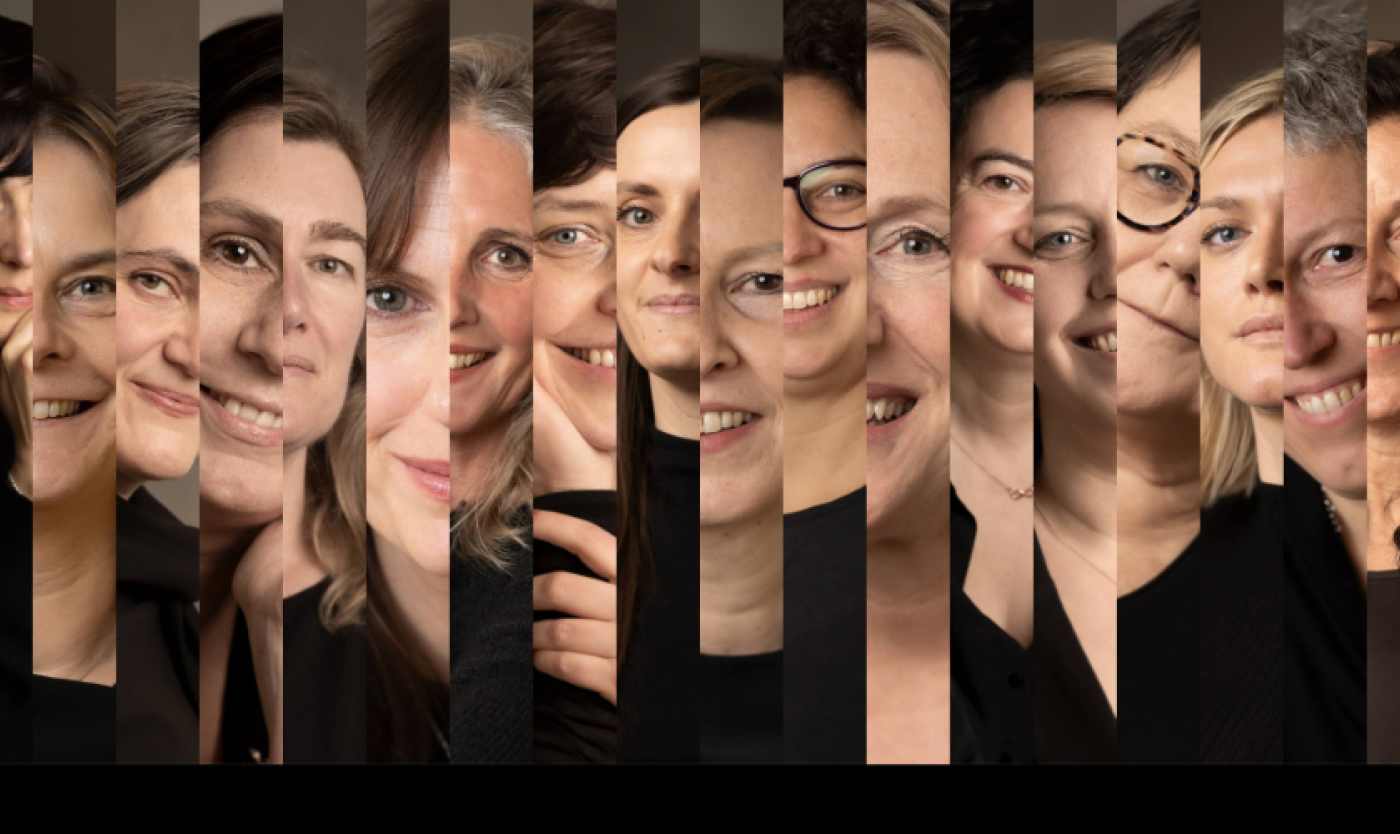
Women shaping science. You make it possible.
This campaign is more than a tribute. It is an invitation to reflect on the role of female scientists and on the obstacles they still face in fully realising their potential. But visibility alone is not enough. Women remain underrepresented in research, receive fewer opportunities, and encounter barriers more frequently throughout their academic careers.
With your donation, you help female researchers to continue their work, develop new insights and find solutions to the challenges of tomorrow.
