

“My team and I aim to develop better, personalised cancer therapies to save as many lives as possible in the future”
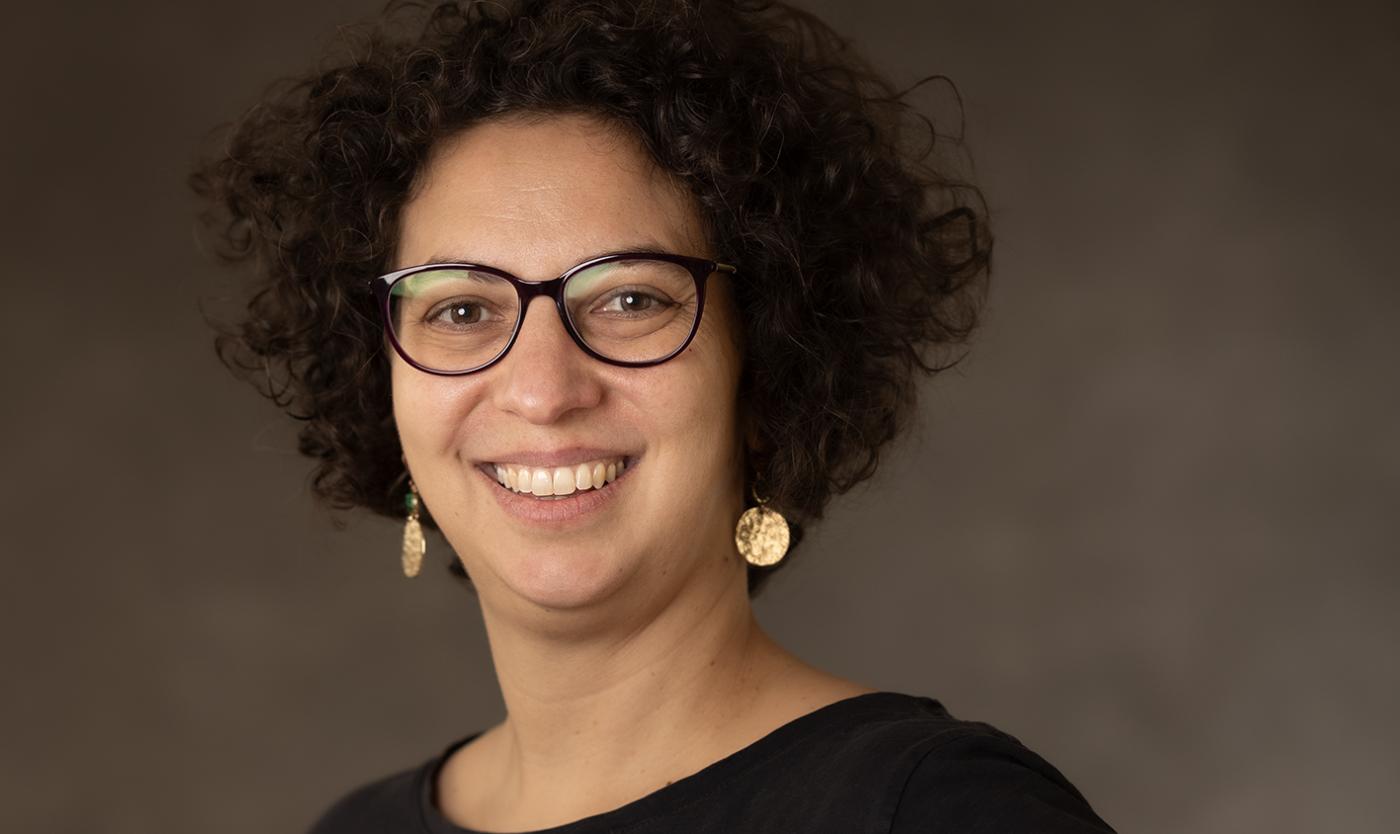
Damya Laoui
Cancer Researcher and Professor of Bioengineering
“From a young age, I was fascinated by nature. I originally dreamed of becoming a reporter for the BBC, making documentaries about wildlife in Africa. I considered studying zoology, but that course was only offered in Ghent and Antwerp. Living away from home wasn’t financially feasible. A friend suggested bioengineering: ‘It opens a lot of doors.’ That’s how I made my choice. VUB was right next to my secondary school, and half my class went there, so I followed suit. But I soon found myself aligning with VUB’s values: freedom, openness, and critical thinking.”
During my studies, I became interested in immunology — how the immune system fights disease. For my master’s thesis, I chose a topic related to cancer. My father had lung cancer at the time, and my godmother and the mother of one of my closest friends had passed away from the disease. That didn’t consciously influence my choice — the main driver was my passion for research and understanding complex processes — but perhaps it played a role subconsciously.
Today, my work focuses primarily on cancer and the immune system. A tumour contains not only cancer cells, but also immune cells that try to destroy them. Unfortunately, some immune cells are somewhat “corrupt”: instead of fighting the tumour, they actually support it. I focus on one type: the dendritic cell. We study why some dendritic cells suppress tumours while others support them.
A major breakthrough was the discovery that there are different types of dendritic cells, and that we could identify the “good” types and harness them therapeutically. In mice, we use these cells as a kind of cancer vaccine, aimed at preventing relapse or metastasis. The ultimate goal is clinical application: for a patient with, for example, lung cancer, the tumour would be removed and dendritic cells that recognise the cancer mutations isolated. By re-administering these cells, we activate the immune system and build immune memory, helping prevent the patient from relapsing.
“It’s an incredible feeling when someone on my team discovers something new, and we are the only people in the world who know it at that moment.”
I aim to have impact in several ways. Firstly, through research itself and by emphasising the importance of fundamental research. Behind every therapy or breakthrough lie years of basic science, which is at least as essential as applied research. Secondly, I gain immense satisfaction from mentoring the next generation of scientists. I also aim to inspire young people — often girls, including those from migrant backgrounds — to get excited about science through science communication.
I am fortunate to be surrounded by inspiring people. I think of Professor Mohamed Lamkanfi (UGent), a top researcher who is also an outstanding father, perfectly balancing research and family, and who is very approachable. I also look up to Professor Eveline Peeters, head of microbiology at my faculty, who leads a large group while remaining gentle, approachable, and generous with advice.
My dream is that, before I retire, I can say: ‘These therapies exist thanks to our research.’ Beyond that, I hope to remain as enthusiastic about our work as I am today. It is a powerful feeling when someone on my team makes a new discovery, and at that moment, we are the only ones in the world who know it. Discovering something and then sharing that knowledge with the world is the very essence of science.
BIO
Damya Laoui is a bioengineer and Professor of Bioengineering. She studies the interaction between cancer and the immune system, with a particular focus on dendritic cells and their potential for personalised cancer immunotherapy.
Alongside her research, she is deeply committed to mentoring young scientists and science communication, aiming to inspire young people — especially girls — to engage with science.
In a rapidly changing world, independent, science-based insights are indispensable. Damya provides journalists and editorial teams with clear analysis and context on current issues, within her fields of expertise.
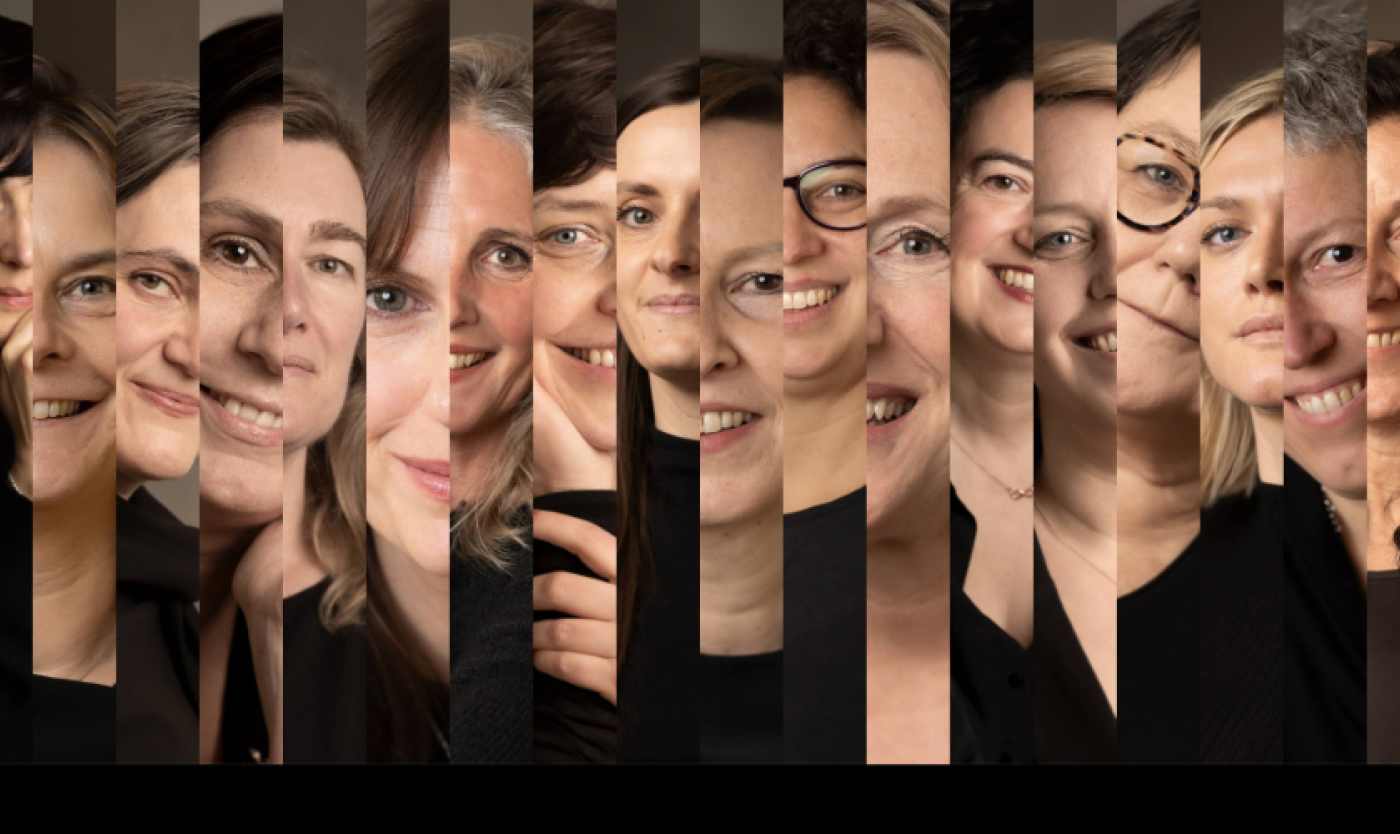
Women shaping science. You make it possible.
This campaign is more than a tribute. It is an invitation to reflect on the role of female scientists and on the obstacles they still face in fully realising their potential. But visibility alone is not enough. Women remain underrepresented in research, receive fewer opportunities, and encounter barriers more frequently throughout their academic careers.
With your donation, you help female researchers to continue their work, develop new insights and find solutions to the challenges of tomorrow.
