

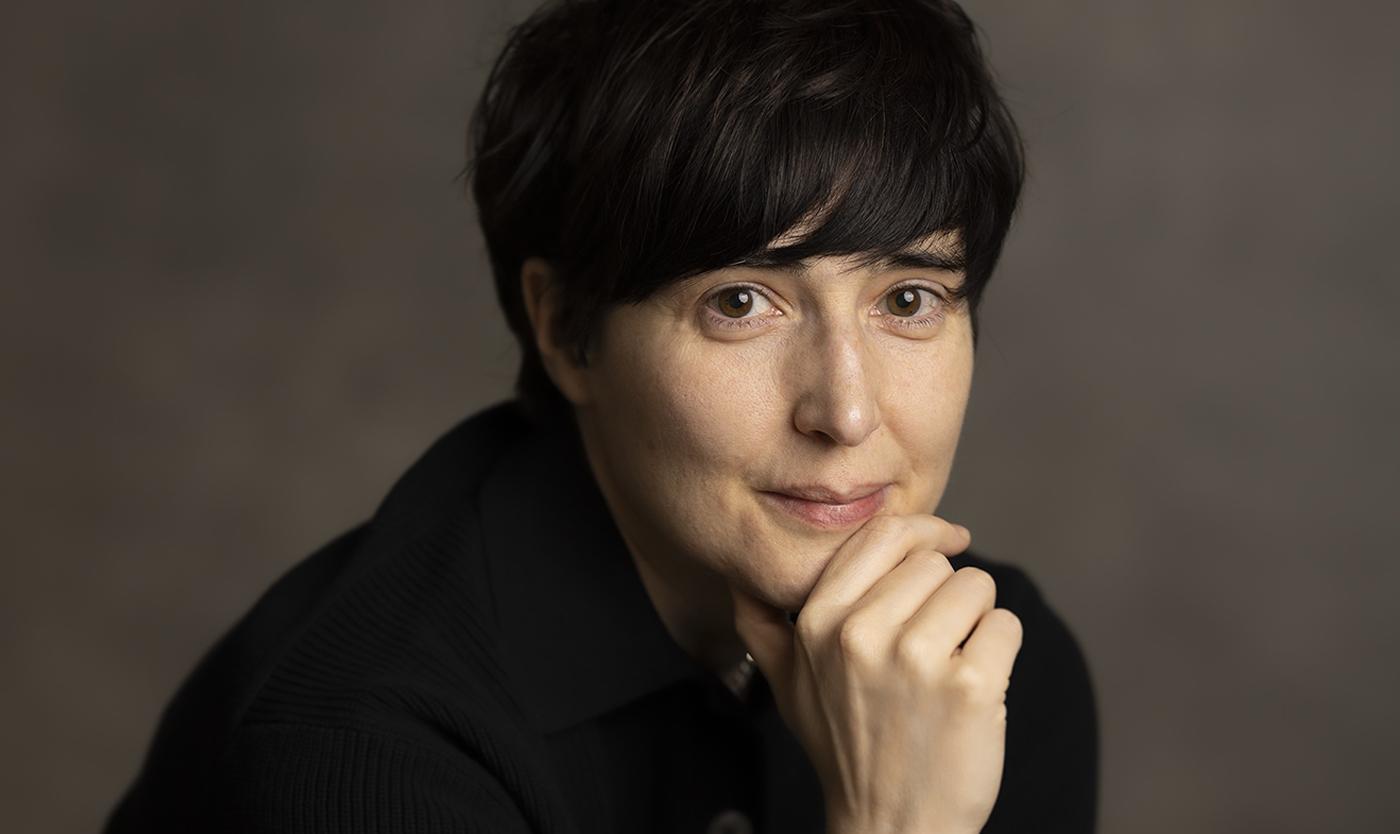
"In my ideal world everyone understands that if we want to control power, we must control data”
Gloria González Fuster
Research Professor in Digitalisation, Rights and Freedoms
“I came to research relatively late. For years, I was simply interested in everything. I first studied journalism, then linguistics, and eventually law. In the meantime, the internet was emerging. I loved it: suddenly I could download and listen to any music I wanted. It was ‘free’, though perhaps not legal. Was I doing something wrong? My mother worried that someone might find out. But could anyone actually know? And what did that mean for my privacy? Those questions stayed with me and eventually led me to the LSTS research group at the VUB, where I was able to explore the relationship between the internet and the law.
Today, my research focuses on how we can build a digital society in Europe that protects rights and freedoms. I examine how legal systems deal with data and artificial intelligence, and how we can embrace technology without weakening our democracy. I do this through classical legal research—analysing court rulings, following legislative debates—which I genuinely enjoy. But I am equally committed to interdisciplinary work: collaborating, for example, with computer scientists and sociologists to understand what is really happening with data, how it happens, and how it can—and should—align with the law.
Privacy and data protection laws often get a bad reputation: absurd, restrictive, overly technical. I would like people to see them differently. They matter because they protect freedom in societies that are increasingly driven by technology. And they are fascinating because they force us to think: how do we organise technology in a way that takes different interests into account?
I would like people, including fellow researchers, to understand that data protection is not an enemy, but a friend—and a particularly interesting one.
The turning point in my career came when I was appointed as a doctoral researcher at the VUB. I had little research experience, no network, and a CV that was rather… eclectic. Yet Professor Serge Gutwirth decided to give me a chance. That trust changed everything. Meeting someone who believes in you is the greatest gift—both in life in general and in academia.
My dream? To spend time in libraries and archives around the world, researching how data protection law emerged in the 1970s. It was an extraordinarily creative moment in legislation: people still working with typewriters were designing new rights for a society increasingly shaped by computers. Alongside that, I dream of large interdisciplinary projects on data rights, of empirical research into access to remedies in digital law, and of work on the relationship between data and gender performativity. More importantly, I want to keep collaborating with people who share similar dreams.
I never really had a fixed role model. If I had to choose one now, I might say… the Power Rangers. Research is largely about teamwork. Everyone brings their own talents. Sometimes you only discover what you are capable of when the moment arrives and the team needs you. I find that ongoing process of self-discovery deeply exciting.”
BIO
Gloria González Fuster is a Research Professor at the Vrije Universiteit Brussel and Director of the Law, Science, Technology & Society (LSTS) research group. She studies how digitalisation—particularly data and artificial intelligence—can coexist with fundamental rights such as privacy and data protection. Her work combines legal research with close collaboration across disciplines, including computer science and the social sciences, with a single aim: to shape technology in ways that strengthen democracy and freedom rather than place them under pressure.
In a rapidly changing world, independent, science-based insights are indispensable. Gloria provides journalists and editorial teams with clear analysis and context on current issues, within her fields of expertise.
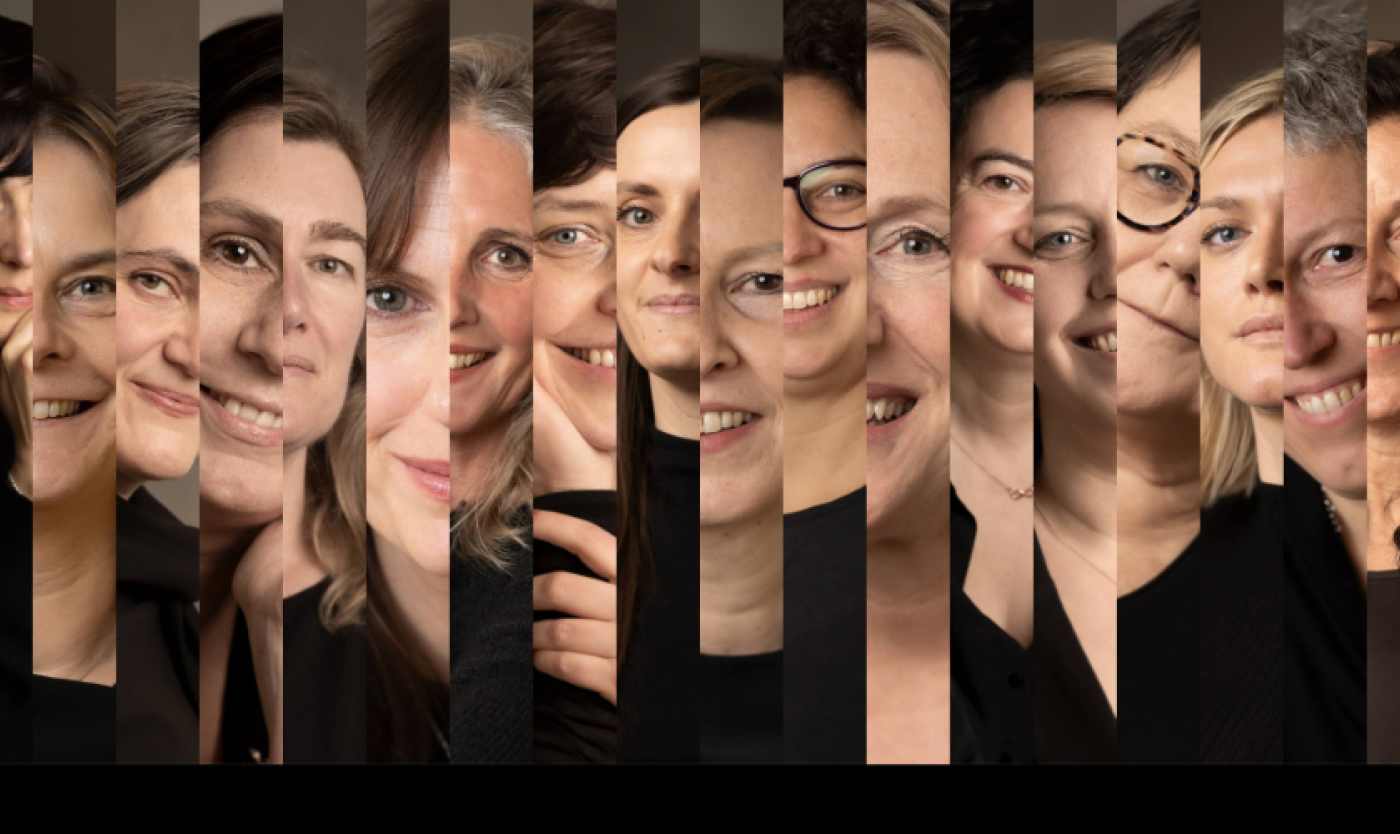
Women shaping science. You make it possible.
This campaign is more than a tribute. It is an invitation to reflect on the role of female scientists and on the obstacles they still face in fully realising their potential. But visibility alone is not enough. Women remain underrepresented in research, receive fewer opportunities, and encounter barriers more frequently throughout their academic careers.
With your donation, you help female researchers to continue their work, develop new insights and find solutions to the challenges of tomorrow.
