

“By targeting glial brain cells, we may be taking the first step towards a cure for epilepsy”
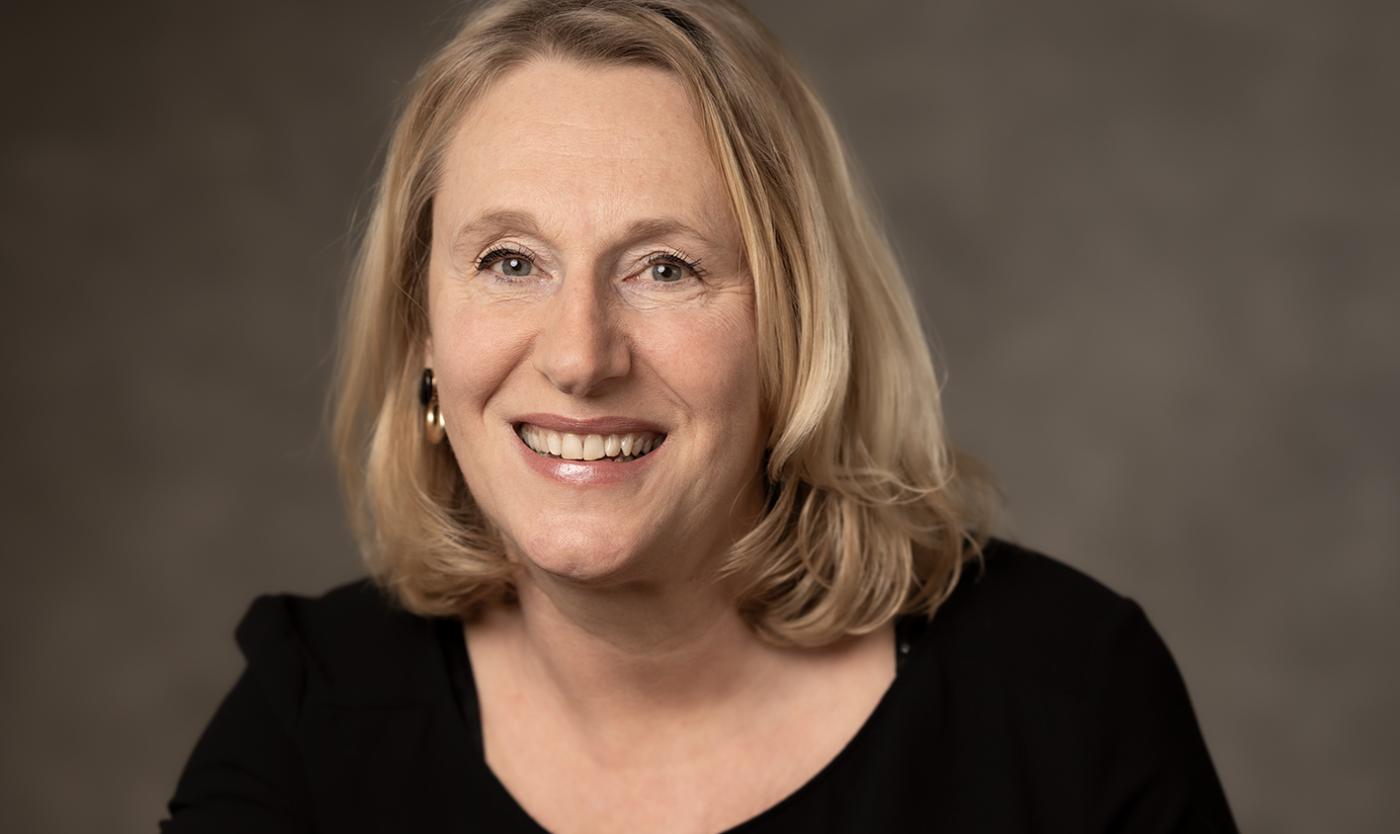
Ilse Smolders
Professor of Pharmaceutical Sciences
“As a child, I loved going to the pharmacy. The little boxes and bottles, filled with substances that could make people better, seemed almost magical. It was as if every medicine contained a secret waiting to be unraveled. Later, I chose to study pharmaceutical sciences. From the start, I was fascinated by the molecular processes within our cells, the communication between different cell types, and how small disturbances in these processes can lead to disease. Medicines allow us to correct many of these disruptions. Pharmacology, for me, is like solving puzzles: why does a drug work here but not there? Every discovery makes the picture a little clearer.”
Since completing my PhD in 1992, my focus has been on neuropharmacology and neuroscience. The brain never ceases to amaze me with its complexity. Beyond neurons, glial cells — such as astrocytes and microglia — play a crucial role in maintaining a healthy brain. They support, protect, and regulate neuronal functions, but in disease, they can be severely compromised. My research primarily focuses on epilepsy, especially difficult-to-treat, refractory formsassociated with memory impairments. This work feels particularly meaningful because uncontrolled epilepsy has a profound impact on patients’ quality of life.
Current medications mainly suppress seizures, but they do not cure epilepsy. I want to go beyond symptom control. By targeting astrocytes and microglia, we aim to address the underlying disease mechanisms — a potential first step towards a cure. In other projects, we use photopharmacology, where light precisely activates a drug only at the site of epileptic activity, minimising side effects.
For me, impact is not only about developing potential new therapies but also about passing on knowledge. As a professor, I want to give students a deep understanding of how drugs work — and when they should, or should not, be used. Responsible use is essential, as is combining medication with non-pharmacological therapies such as psychotherapy, lifestyle interventions, and exercise. This benefits patients, healthcare, and the environment.
“The ambition to connect and push boundaries did not come out of nowhere. Before I became a scientist, I was a middle-distance and cross-country athlete.”
A pivotal moment in my career was my postdoctoral fellowship at the University of Bristol. Participating in groundbreaking research on synaptic plasticity led to a publication in Nature, later followed by one in Nature Neuroscience. These achievements formed the basis for three consecutive postdoctoral FWO mandates and strengthened my international reputation, ultimately leading to my appointment as full professor at VUB.For the final decade of my career, I dream of embedding my Experimental Pharmacology research group within a large European network. This would increase the visibility of our work, facilitate knowledge sharing, mentor young international researchers, and help shape future research and policy.
The ambition to connect and push boundaries comes naturally. Before becoming a scientist, I was an athlete in middle-distance and cross-country running. My role model was Mary Decker Slaney, a runner who never followed the pace of others but set her own. In science, I found inspiration in my PhD supervisor, Prof. Yvette Michotte, who combined an impressive career with a warm family life. And, of course, in our former rector, Prof. Caroline Pauwels, who convinced me of possibilism: the world does not improve on its own, but it can become better if we collaborate, listen, and stay curious.
BIO
Ilse Smolders is Professor of Pharmaceutical Sciences and leads the Experimental Pharmacology research group. Her expertise lies in neuroscience and the pharmacology of refractory epilepsy and associated cognitive disorders.
In her preclinical research, she develops innovative strategies to target both seizures and the underlying disease mechanisms. She is also passionate about teaching students how medicines work.
In a rapidly changing world, independent, science-based insights are indispensable. Ilse provides journalists and editorial teams with clear analysis and context on current issues, within her fields of expertise.
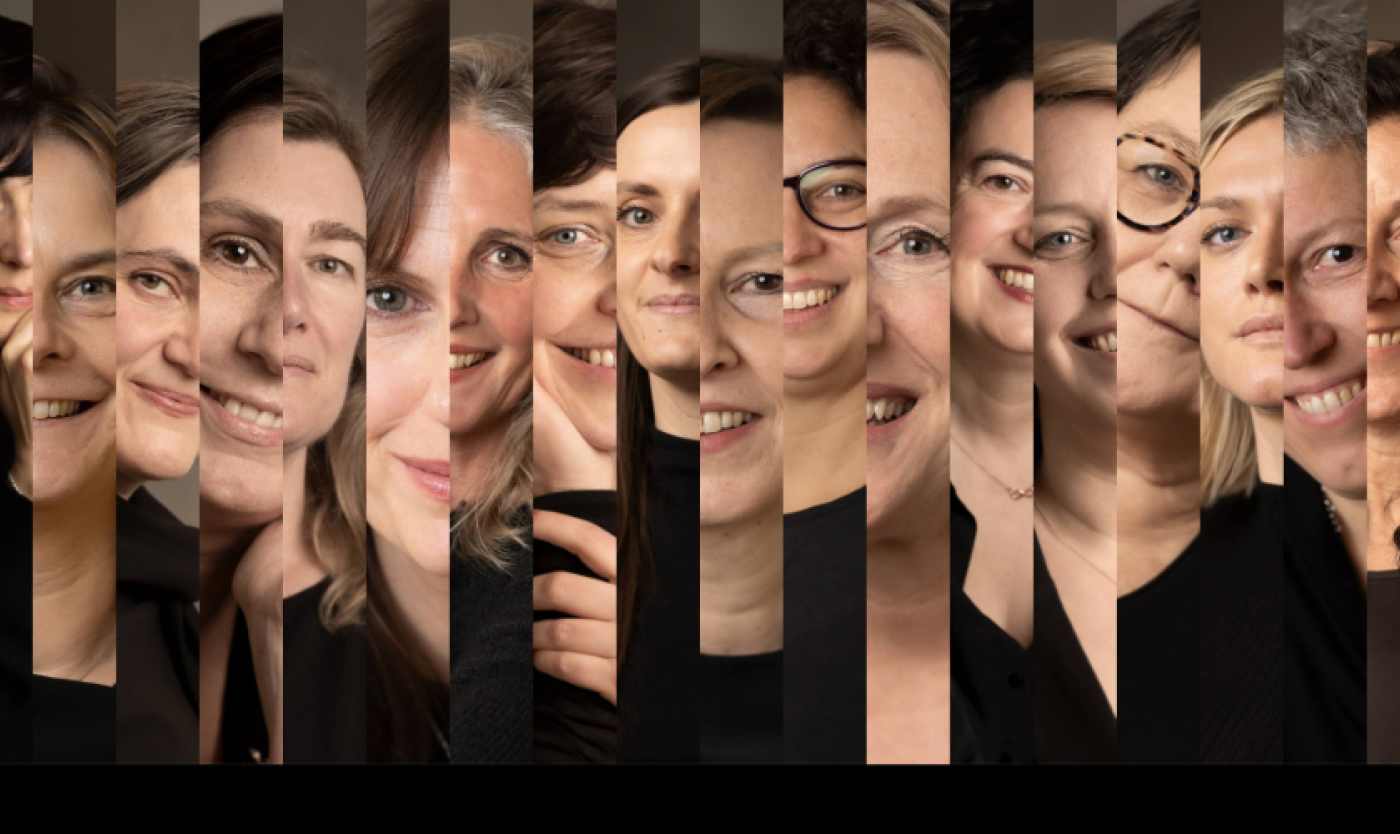
Women shaping science. You make it possible.
This campaign is more than a tribute. It is an invitation to reflect on the role of female scientists and on the obstacles they still face in fully realising their potential. But visibility alone is not enough. Women remain underrepresented in research, receive fewer opportunities, and encounter barriers more frequently throughout their academic careers.
With your donation, you help female researchers to continue their work, develop new insights and find solutions to the challenges of tomorrow.
