

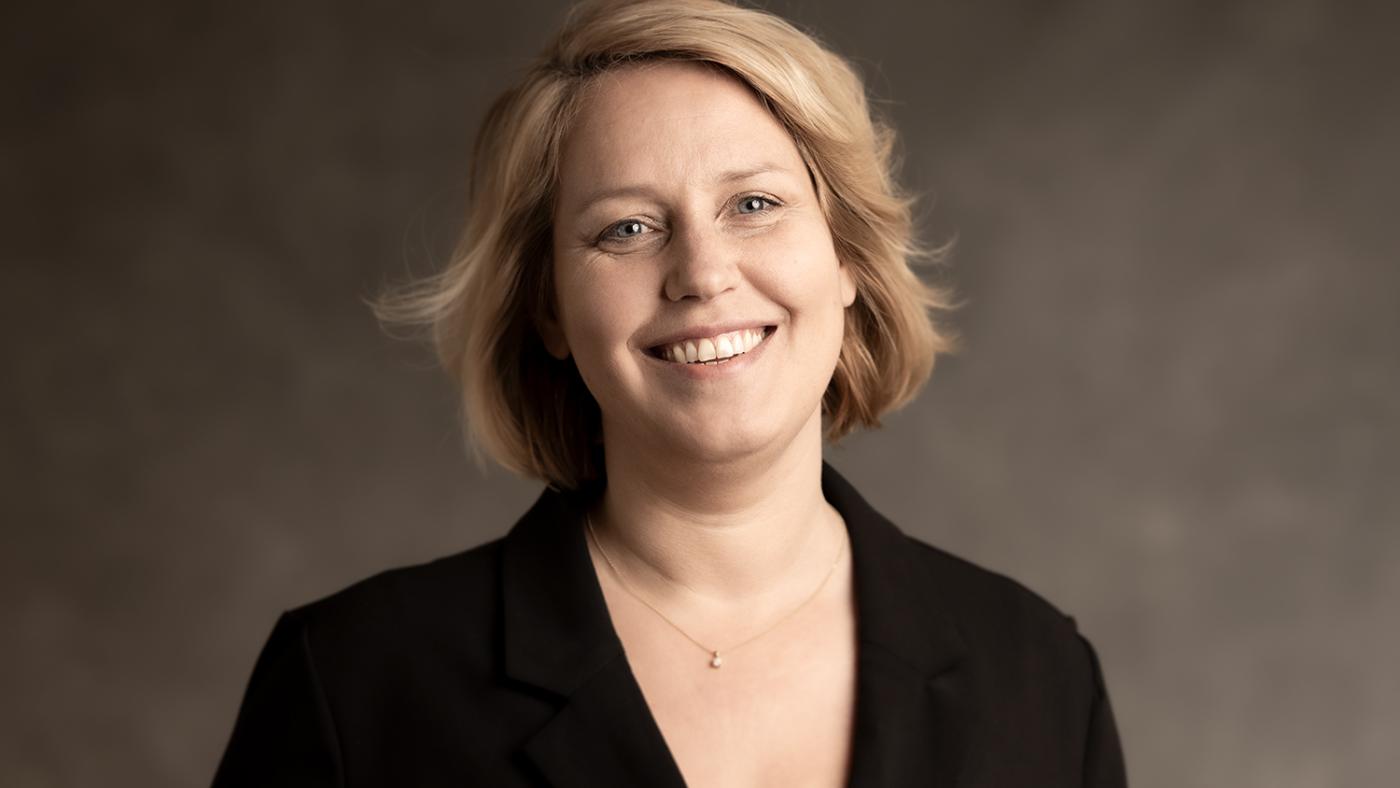
“I aim to contribute to an environment where fewer young people feel like they are struggling alone, and where support is available more quickly”
Imke Baetens
Professor of Psychology
“As a young person, I didn’t have a clear plan for my studies. At first, I thought about (interior) architecture: improving your environment through concrete designs. But at the SID-in university fair, I lingered over a leaflet about orthopedagogy. It wasn’t just about individual problems; it considered how children and adolescents function within their family, school, and wider context. It resonated intuitively: instead of shaping spaces, I could help shape opportunities and developmental pathways for young people, with attention to prevention and guidance.
Today, I am preparing an ambitious, multi-year research project on mental health challenges in young people. Specifically, I am drafting an ERC research proposal, one of the most competitive grants in Europe. The central question is both complex and urgent: how do self-harm and related mental health issues spread within networks of young people, such as friend groups, classrooms, and social media? Under what conditions does exposure increase risk, and when does it not?
“Too often, we only address young people’s problems once things have gone wrong, and we focus too heavily on the individual.”
Methodologically, I combine longitudinal school-based measurements with fine-grained diary studies. This allows me to track both long-term developments and daily fluctuations in stress, emotions, and coping. The digital dimension is essential: young people also live online. Equally important is alignment with the field. I collaborate with schools, practitioners, researchers from multiple disciplines, and young people themselves.
My vision for the future is that society engages with youth mental vulnerability earlier, smarter, and more compassionately. Too often, we intervene only after problems arise, and we focus too narrowly on the individual. Scientifically, I aim to build a pioneering research programme. The goal is to translate mechanisms that are often vague today – such as contagion, normalisation, or peer pressure – into measurable, testable models. Not to label young people, but to better predict when risks increase and what support can truly make a difference. These ambitions extend internationally. Serving as co-editor of the Oxford University Press Handbook of Nonsuicidal Self-Injury, a reference work globally, has reinforced that my work is not only locally relevant but also contributes to international discourse.
Equally important is translating that knowledge into practice. I want to help create an environment in which fewer young people feel alone, where support is available more quickly, and where society can respond with competence and compassion. Prevention and strengthening social contexts are crucial, so that schools, practitioners, and parents feel less powerless when faced with self-harm or mental health challenges.
If I were to single out one person who has been particularly influential in recent years, it would be Prof. Nancy Heath. She is not only a global authority on self-harm but also a warm, present mother. Her guidance has helped me maintain boundaries, make realistic choices, and balance ambition with sustainability. That combination – excellence without hardness, engagement without self-erasure – continues to inspire me profoundly.”
BIO
Imke Baetens is Professor of Psychology, specialising in the prevention, aetiology, and treatment of emotional and behavioural problems in children and adolescents, with an international reputation for research on deliberate self-harm in youth. She is co-founder of the Brussels University Consultation Center (BRUCC), which integrates clinical practice, research, and teaching.
In a rapidly changing world, independent, science-based insights are indispensable. Imke provides journalists and editorial teams with clear analysis and context on current issues, within her fields of expertise.
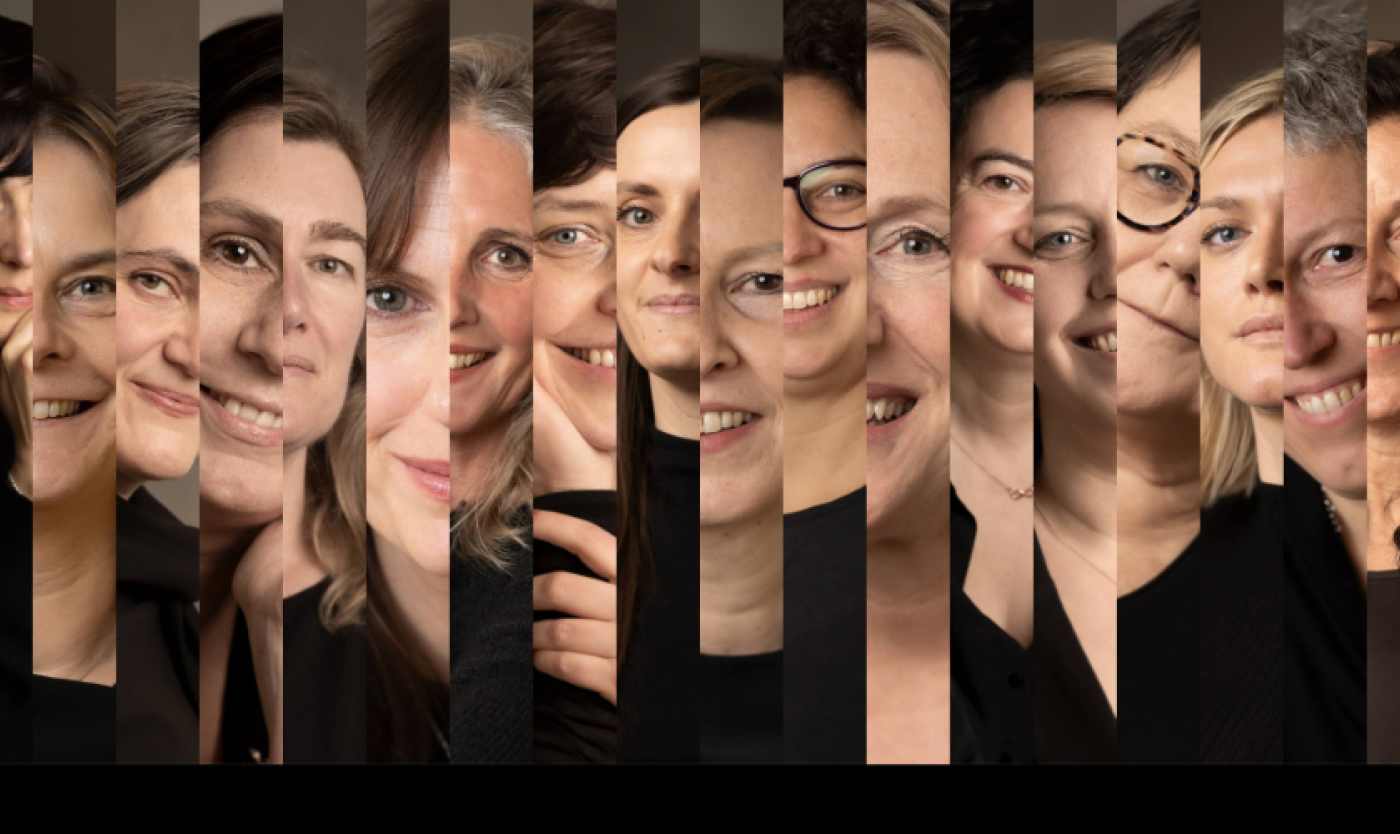
Women shaping science. You make it possible.
This campaign is more than a tribute. It is an invitation to reflect on the role of female scientists and on the obstacles they still face in fully realising their potential. But visibility alone is not enough. Women remain underrepresented in research, receive fewer opportunities, and encounter barriers more frequently throughout their academic careers.
With your donation, you help female researchers to continue their work, develop new insights and find solutions to the challenges of tomorrow.
