

“I like to think of myself as a ‘democratic designer’; I design innovations aimed at tackling inequality and injustice”
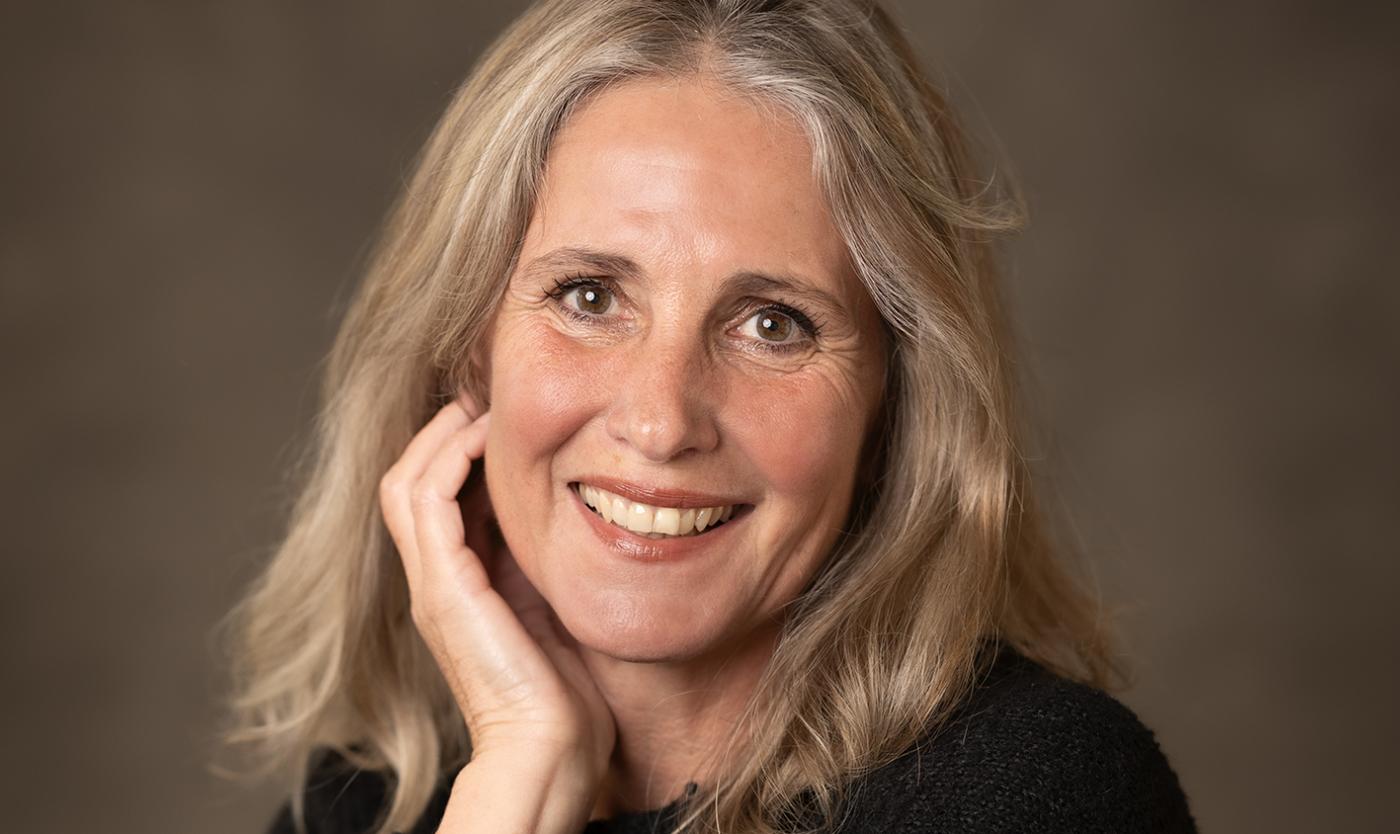
Karen Celis
Professor of Political Science
“I come from a family deeply marked by the concentration camps. My grandmother’s family was arrested because her sister was active in the resistance. That history laid the foundation for my career, which from the very beginning has been guided by a commitment to justice and democracy.
My first real job was curating an exhibition on women during wartime. Their roles in the war, in the resistance, and in society had long been overlooked. Through this exhibition, we aimed to make those contributions visible. The project was funded by Belgium’s then-State Secretary for Equal Opportunities, Miet Smet. That led me to join her cabinet as a speechwriter in 1998, the year Belgium celebrated fifty years of women’s suffrage. There, I became fascinated by gender and politics, especially because Miet Smet defied every stereotypical image of female leadership.
Over time, my focus shifted from ‘women in politics’ to a broader question: how can we ensure high-quality, just democratic decision-making? Equality, freedom, and inclusion may sound self-evident, but what do these values mean in practice, and how can we measure whether they are truly realised? I study the political representation of underrepresented groups and seek to understand why inequality and injustice persist so stubbornly. At the same time, I develop tools to more accurately measure inclusivity in politics, and I design concepts and theories about what good, democratic representation entails.
“Strong institutions need a democratic society, and vice versa. Democratic universities that practise freedom and inclusion are indispensable in this regard.”
I like to think of myself as a ‘democratic designer’. I do not only study inequality and justice; I also design innovations to address them. Take quotas, for instance: they increased the number of politicians from disadvantaged groups, which is an important achievement. Yet in terms of content, little often changed, and many citizens still felt unrepresented. That is why my team and I are working on a new representation process that is more flexible in accommodating diverse perspectives and strengthens citizens’ connection with democratic institutions. We explore ways for politicians to listen better and to gain deeper insight into what matters to the people.
A pivotal moment in my career was my appointment as research professor at the VUB. It gave me the freedom to pursue innovative, agenda-setting research. At the end of that mandate, my book Feminist Democratic Design was published by Oxford University Press, for which I also received an award. This marked the starting point for attracting European funding and building a research team.
My ultimate dream is to establish a leading Centre for Systemic Democratisation: both an observatory to monitor democratic shortcomings and a workshop to design and test creative solutions. These solutions need to be institutional as well as societal. Strong institutions require a democratic society—and vice versa. Democratic universities that embody freedom and inclusion are an indispensable part of that ecosystem.
I often find inspiration in concrete acts and statements—sometimes large, sometimes small—that intrigue, surprise, or even challenge me. I have learned to pay attention to them. They are opportunities to improve yourself, both as a scholar and as a human being.”
BIO
Karen Celis is Professor of Political Science at the Vrije Universiteit Brussel. She leads the research group Democratic Futures (DFUTURE) and is a member of the RHEA Expertise Centre on Gender, Diversity, and Intersectionality. Her research focuses on the quality of democracy and ways to strengthen it. Currently, her work centres on ‘democratic design’ and the role of emotions in politics.
In a rapidly changing world, independent, science-based insights are indispensable. Karen provides journalists and editorial teams with clear analysis and context on current issues, within her fields of expertise.
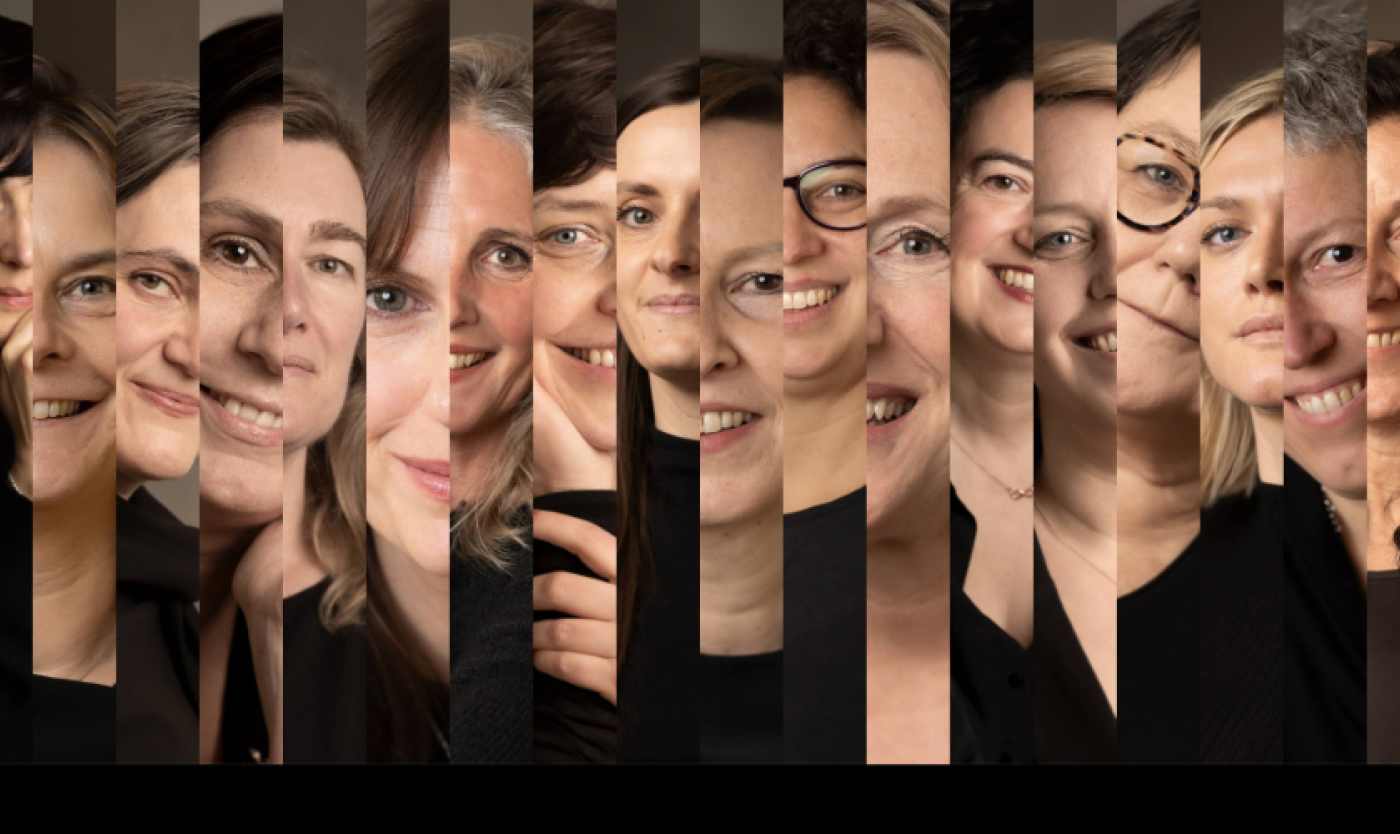
Women shaping science. You make it possible.
This campaign is more than a tribute. It is an invitation to reflect on the role of female scientists and on the obstacles they still face in fully realising their potential. But visibility alone is not enough. Women remain underrepresented in research, receive fewer opportunities, and encounter barriers more frequently throughout their academic careers.
With your donation, you help female researchers to continue their work, develop new insights and find solutions to the challenges of tomorrow.
