

“I want dignity, and above all humanity to be at the centre for people facing serious illness, dying, or receiving care”
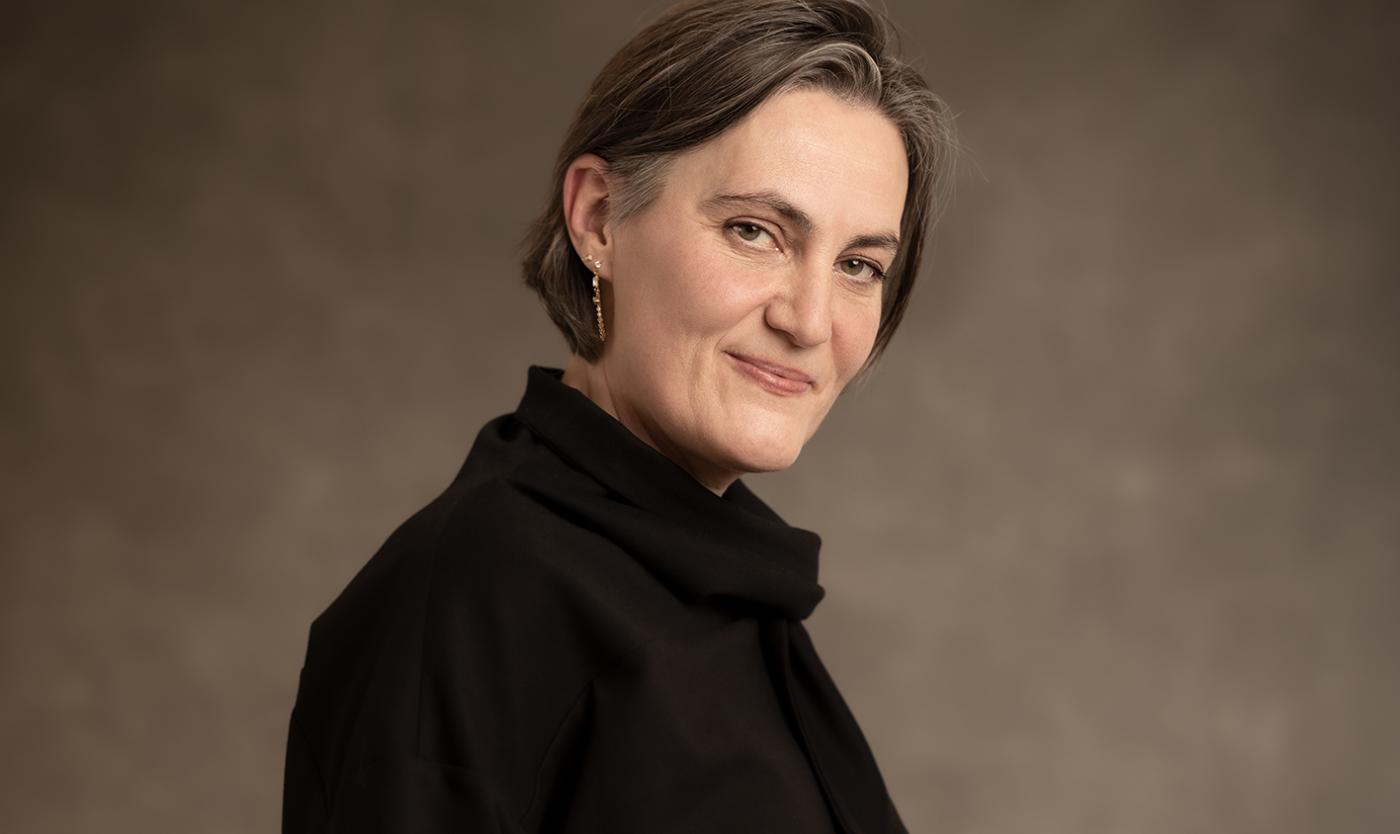
Lieve Van den Block
Professor of Aging and Palliative Care
“Choosing to research the end of life was not an obvious path for a young researcher. Yet for me, it felt completely natural. I grew up in a family where life and death went hand in hand, where caring for others was central, and where illness, health, and wellbeing played an important role.”
“Today, people are living longer, all over the world. That is an enormous societal achievement. At the same time, it means that people are older when they die, often with multiple serious health conditions. In my research, I aim to understand what really matters to older adults who are seriously ill — or whose health is in significant decline — in the final years of their lives. What needs do they experience? What priorities do they themselves have? What do they hope for? This includes older adults with cancer, dementia or other neurodegenerative conditions, as well as those with complex care needs.”
I use this knowledge to develop innovative care and support models that better assist older adults and their loved ones, both at home and in residential care, up to the end of life and beyond. I currently lead the EU NAVIGATE project, funded by the European Union, in which we implement and evaluate a navigation programme across six countries to improve the quality of life and social wellbeing of older adults living at home.
“Dying is not just a medical event, but also a social one”
Through my research, I aim to contribute to better experiences around the end of life. Dying is not merely a medical event, but also a social one. That is why my research group, the End-of-Life Care Research Group, works at the intersection of medical and social sciences. We collaborate with healthcare providers, policymakers, and civil society — in Belgium and internationally — to translate scientific insights into better care practices and policies. This field ultimately touches everyone: illness, dying, grief, and caregiving are parts of life at some point. That societal relevance is decisive for me.
Major breakthroughs in my career were the international research projects I had the opportunity to develop and lead early on. As a young postdoctoral researcher, I coordinated a Marie Curie Doctoral Network and the European PACE project on palliative care in residential care centres. Large-scale, comparative European research is challenging but immensely rewarding. It demands ambition, collaboration, and international coordination — and it generated a wealth of data and insights that have shaped my position as a leading researcher in this field.
My vision is a world in which dignity, inclusivity, and above all humanity are central for everyone facing serious illness, dying, or care. To realise this vision, I also aim, through my research group, to nurture a new generation of research leaders who can make a global impact.
My greatest source of inspiration remains my mother, who passed away far too early. Without realising it, she gave her daughters the confidence to follow their own paths. The fact that today I can focus as a leader on collaboration, connection, and the development of people — while also making strategic decisions and delivering results — I owe in large part to her.
BIO
Lieve Van den Block is Professor of Aging and Palliative Care at VUB and leads the End-of-Life Care Research Group. She conducts international research on palliative and end-of-life care, with a focus on older adults. Through European projects such as EU NAVIGATE, she works on developing dignified and inclusive support models.
In a rapidly changing world, independent, science-based insights are indispensable. Lieve provides journalists and editorial teams with clear analysis and context on current issues, within her fields of expertise.
Women shaping science. You make it possible.
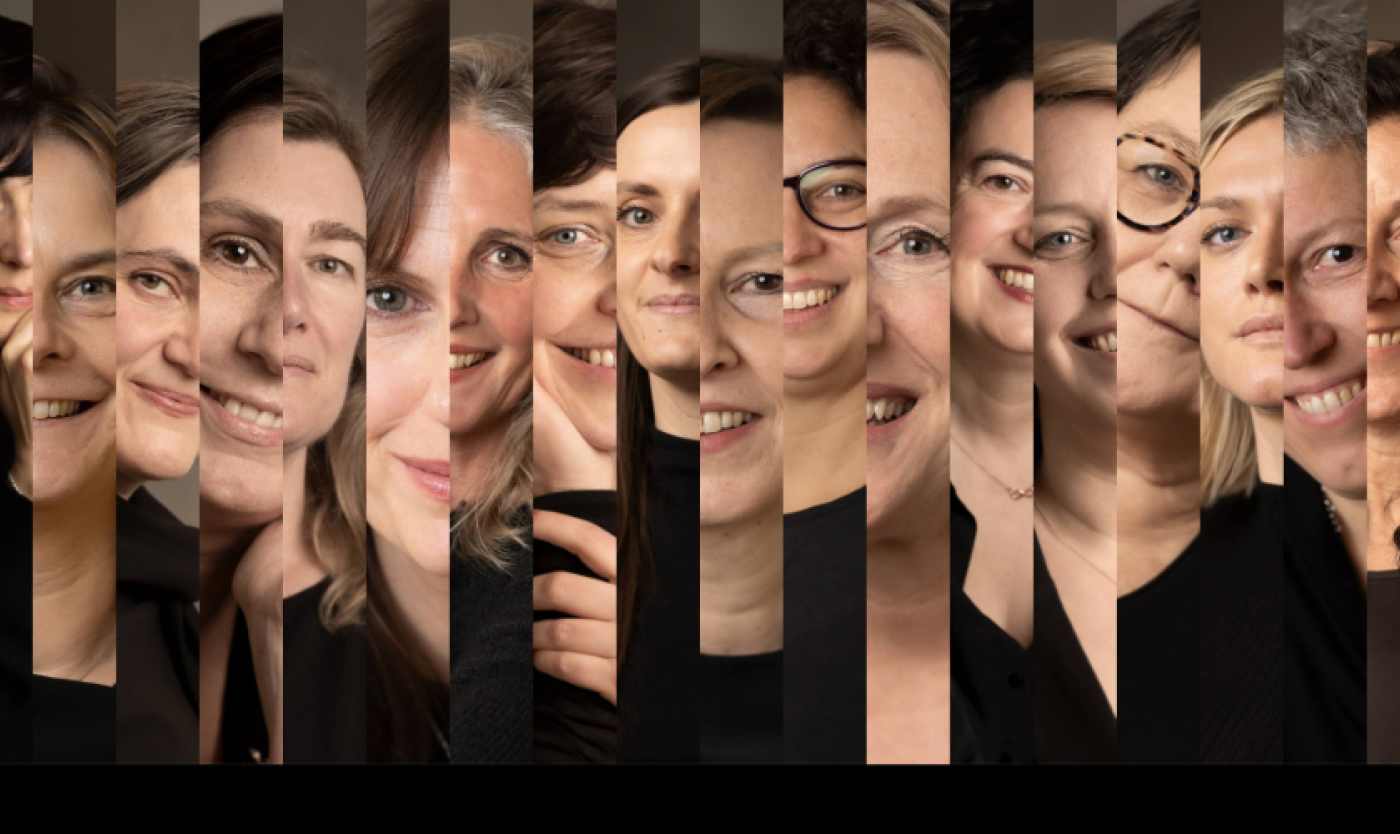
This campaign is more than a tribute. It is an invitation to reflect on the role of female scientists and on the obstacles they still face in fully realising their potential. But visibility alone is not enough. Women remain underrepresented in research, receive fewer opportunities, and encounter barriers more frequently throughout their academic careers.
With your donation, you help female researchers to continue their work, develop new insights and find solutions to the challenges of tomorrow.
