

“Groundwater is the most mysterious component of the water cycle. Through my research, I aim to make the invisible visible and contribute to a resilient water system”
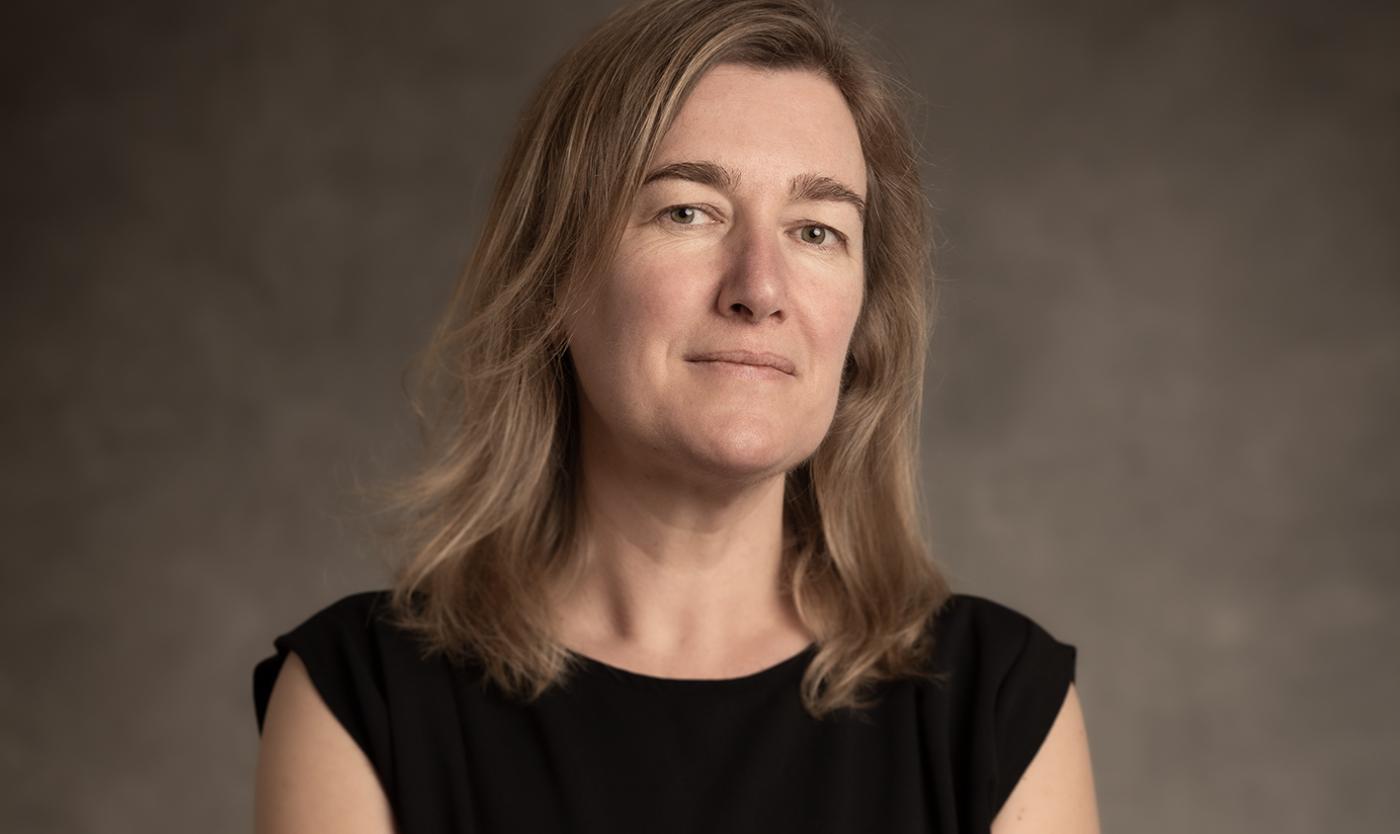
Marijke Huysmans
Professor of Hydrology and Water Management
“Groundwater is invisible, often hidden deep underground, and we have very few direct measurements of how it flows. It was precisely that unknown quality that drew me in. At the same time, groundwater is of crucial importance: half of the world’s population depends on it for drinking water and food production. Groundwater feeds rivers and wetlands and forms an essential buffer for storing water, helping us cope with periods of both excess and scarcity. Yet groundwater often receives too little attention in research and policy — precisely because it is invisible. What is unknown is sometimes unloved, and that is something I want to help change.”
Today, my research focuses on how sustainable groundwater management can contribute to resilient water systems. To withstand both drought and flooding, we need to be able to infiltrate sufficient water into the subsurface when it is abundantly available. That way, water remains accessible when dry conditions return later on. Together with my team, I work on several pilot sites where we investigate where infiltration is most efficient, how much water we can buffer, and what the impact is on both the quantity and quality of groundwater. In doing so, we examine how nature, agriculture and drinking water reserves can become more resilient to drought.
With our research, we aim not only to improve our understanding of groundwater, but also to contribute to greater awareness of its importance. Groundwater, drought and infiltration must be given a full and proper place in water policy and water management. That is why, over the past few years, I have given more than a hundred interviews to newspapers, magazines, radio and television, delivered public lectures on water, written a children’s book about water, and served on various policy advisory bodies in Belgium and the Netherlands. Interaction with the media and politics can sometimes be bumpy, but I do see that groundwater now receives far more attention from both the general public and policymakers — including through the Blue Deal, which aims to make Flanders more resilient to drought and flooding. When people make jokes about groundwater on social media all year round — whatever the weather — I think to myself: mission accomplished.
“Collaborating with other disciplines is intensive and time-consuming, but it enriches research and increases its societal impact.”
A major turning point in my career was embracing interdisciplinary research and collaborating with disciplines far removed from my own. In the VLIR-UOS IUC project with the Universidad Católica Boliviana, I worked on water management alongside psychologists and human rights experts. In the research project GROW, we have now been working for six years with communication scientists at the VUB on perceptions of, and communication about, the reuse of treated wastewater in agriculture. Collaborating with disciplines that speak a different language and use different methods is demanding and time-consuming, but it enriches the research and amplifies its societal impact.
Looking ahead, I feel that in terms of research and impact I have already achieved more than I ever dared to dream. In the coming years, I want to focus primarily on inspiring and supporting young students and researchers, so that they can help tackle the many water challenges of the future. I hope to inspire them to build a career in the world of groundwater and to help them grow through my knowledge, experience and network. Through my policy roles, too, I want to contribute to an academic environment in which young, promising researchers feel supported and are given opportunities.
When I started at the VUB, Annick Hubin had just become the first female dean in engineering sciences. The way she combined top-level research with major leadership roles left a strong impression on me: strategic and with a keen eye for talent, yet at the same time warm, empathetic and sometimes also vulnerable. What I particularly value is that she used her own success to create opportunities for young researchers. That example is something I consciously carry with me in the way I try to work and mentor today.
BIO
Marijke Huysmans is Professor of Groundwater Hydrology and Water Management at Vrije Universiteit Brussel (VUB). Her research focuses on groundwater and sustainable water management in the context of drought and climate change.
She combines fundamental hydrological research with a strong societal and policy impact, including through advisory roles in Belgium and the Netherlands and extensive public engagement on water-related issues.
In a rapidly changing world, independent, science-based insights are indispensable. Marijke provides journalists and editorial teams with clear analysis and context on current issues, within her fields of expertise.
Women shaping science. You make it possible.
This campaign is more than a tribute. It is an invitation to reflect on the role of female scientists and on the obstacles they still face in fully realising their potential. But visibility alone is not enough. Women remain underrepresented in research, receive fewer opportunities, and encounter barriers more frequently throughout their academic careers.
With your donation, you help female researchers to continue their work, develop new insights and find solutions to the challenges of tomorrow.
