

“I work towards a world where we confront the past honestly, including its darker chapters, so that today we become more resilient to propaganda, hatred, and simplistic narratives”
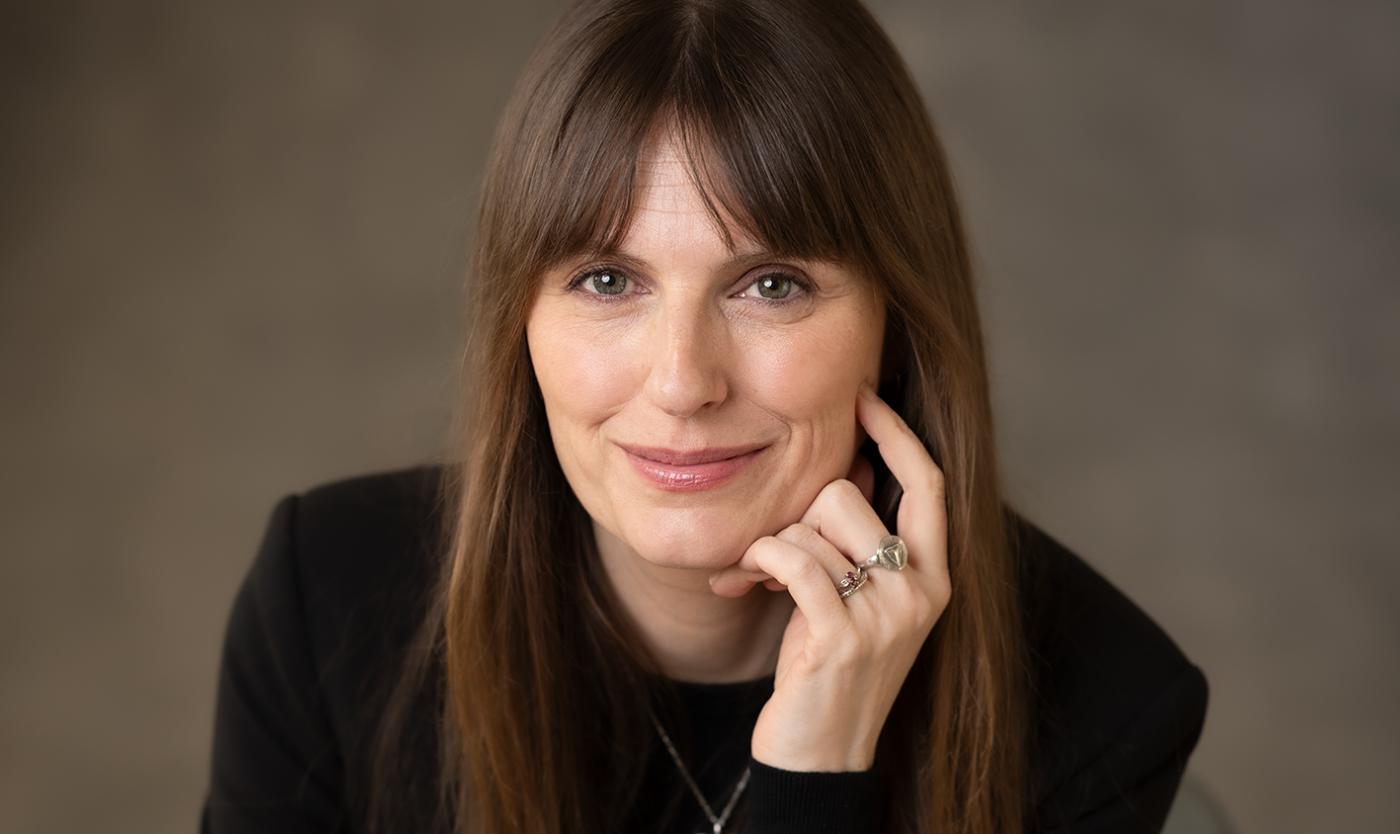
Nel de Mûelenaere
Professor of Contemporary History
“The past still surprises, moves, and unsettles me every day. That attraction—the desire to know how it truly was—started early. As a child, I spent a lot of time with my grandparents and with my nose in books. My grandfather had helped a Russian deserter during the Second World War and received a silver rouble for it. I would ask him to tell that same story over and over. My father took me on battlefield tours in the Westhoek, and I became the youngest member of the Western Front Association. Later, I was fortunate to have a series of passionate and encouraging history teachers. People often find it odd that I have been fascinated by military history and war since childhood, but these stories shouldn’t be left only to boys playing with tin soldiers.”
Today, Nel de Mûelenaere works with a team focusing on the First and Second World Wars, particularly on how different groups of people navigated life under military occupation. “What draws me most,” she says, “are those who did not look away in dark times: helpers, protectors, people who took action and their fate into their own hands. I don’t want to study them as cardboard heroes, but as flesh-and-blood humans, with fear, mistakes, doubt, and regret. That moral complexity fascinates me.”
One of her research strands explores resistance against Nazi Germany. The team seeks to understand why individuals took the risky decision to resist a violent, authoritarian state and how they did it. “We combine quantitative data, from which we can derive patterns, with personal documents such as letters, diaries, and art,” she explains. “For example, we set up a project on farewell letters from executed resistance members. With the help of volunteers, we trace letters in archives, some of which never reached their families. So far, we’ve collected over 500 letters, including nearly fifty that were previously unpublished.” Other subprojects investigate Austrian migrants and Belgian officers in the resistance, while collaborations are being developed with a research centre in Ukraine on everyday, non-organised resistance.
Another strand focuses on American female humanitarian workers in Belgium and France immediately after the First World War, and on how the war sparked significant interest among scholars and governments in domains such as household management, nutrition, and child care.
“I myself did not follow a traditional academic trajectory, and my parents had no university background. I know what it is to find your way in academia through trial and error.”
De Mûelenaere is committed to making the history of war visible and understandable, with attention not only to leaders and major processes but also to those often left out of the narrative. In Belgium, military history was long unpopular at universities, even though the world wars and military violence profoundly shaped the country. In her teaching—she offers the only university-level course in military history in Flanders—she aims to challenge and confront students while giving them a sense that they too belong in the field. “Because I did not follow a conventional academic path and my parents had no university background, I know what it is to navigate the academic world through trial and error,” she notes.
A key milestone in her career was a postdoctoral fellowship at Cornell in 2019. “I received the grant for a project that was entirely mine, about two American female professors—life partners—who came to Belgium after the First World War to assist in reconstruction. The positive reception was liberating: it freed me from the tendency to mould myself into what I thought would be ‘taken seriously’ and confirmed that authenticity and passion are just as important in science as rigor and expertise.”
Looking ahead, she wants to continue developing as a researcher and educator: reading widely, mentoring students and early-career researchers, and initiating relevant projects with colleagues—among them the creation of a Brussels Center for Interdisciplinary Resistance Studies. She also aims to further strengthen the VUB’s history programme. “Our bachelor’s programme is one of the fastest-growing at the VUB, but it faces pressures from budget cuts and the far right. I want to make the importance of historical, critical thinking even clearer, both within and beyond academia.”
De Mûelenaere draws inspiration from many sources. Historian and VUB alumna Sophie De Schaepdrijver was a formative influence; Nel first heard her speak at the In Flanders Fields Museum at age fourteen and was struck by her flair and intellect. Now, as colleagues, she knows De Schaepdrijver is not only brilliant but warm and hilarious. “I must also mention my nine-year-old son, Edward. Since his birth, I have become even more ambitious—not only to make him proud, but because his enthusiasm for knowledge and science, and his dream of becoming a biologist, inspires me immeasurably.”
BIO
Nel de Mûelenaere is Professor of Contemporary History at the Vrije Universiteit Brussel (VUB) and holds the Chair in Traces of Resistance, established in partnership with the non-profit Helden van het Verzet. She teaches courses including Theory of History and War and Military Culture in Historical Perspective, and conducts research on the impact of war and occupation on the Belgian population. Her work combines quantitative and qualitative approaches and is carried out in collaboration with researchers from fields such as sociology and literary studies, as well as with memory and heritage communities.
In a rapidly changing world, independent, science-based insights are indispensable. Nel provides journalists and editorial teams with clear analysis and context on current issues, within her fields of expertise.
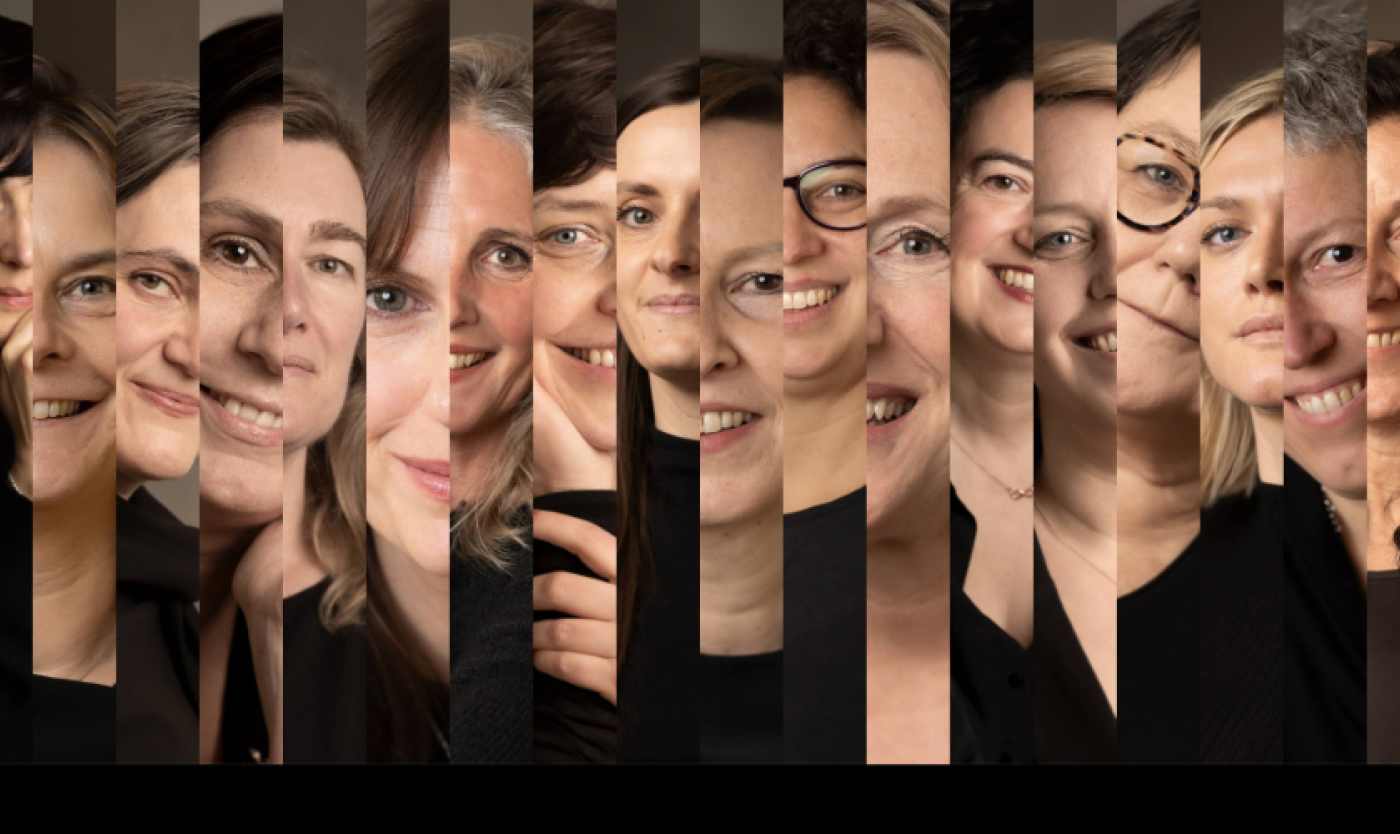
Women shaping science. You make it possible.
This campaign is more than a tribute. It is an invitation to reflect on the role of female scientists and on the obstacles they still face in fully realising their potential. But visibility alone is not enough. Women remain underrepresented in research, receive fewer opportunities, and encounter barriers more frequently throughout their academic careers.
With your donation, you help female researchers to continue their work, develop new insights and find solutions to the challenges of tomorrow.
