

“I work towards a world in which the police do not display power, but provide protection for everyone, guided by human rights”
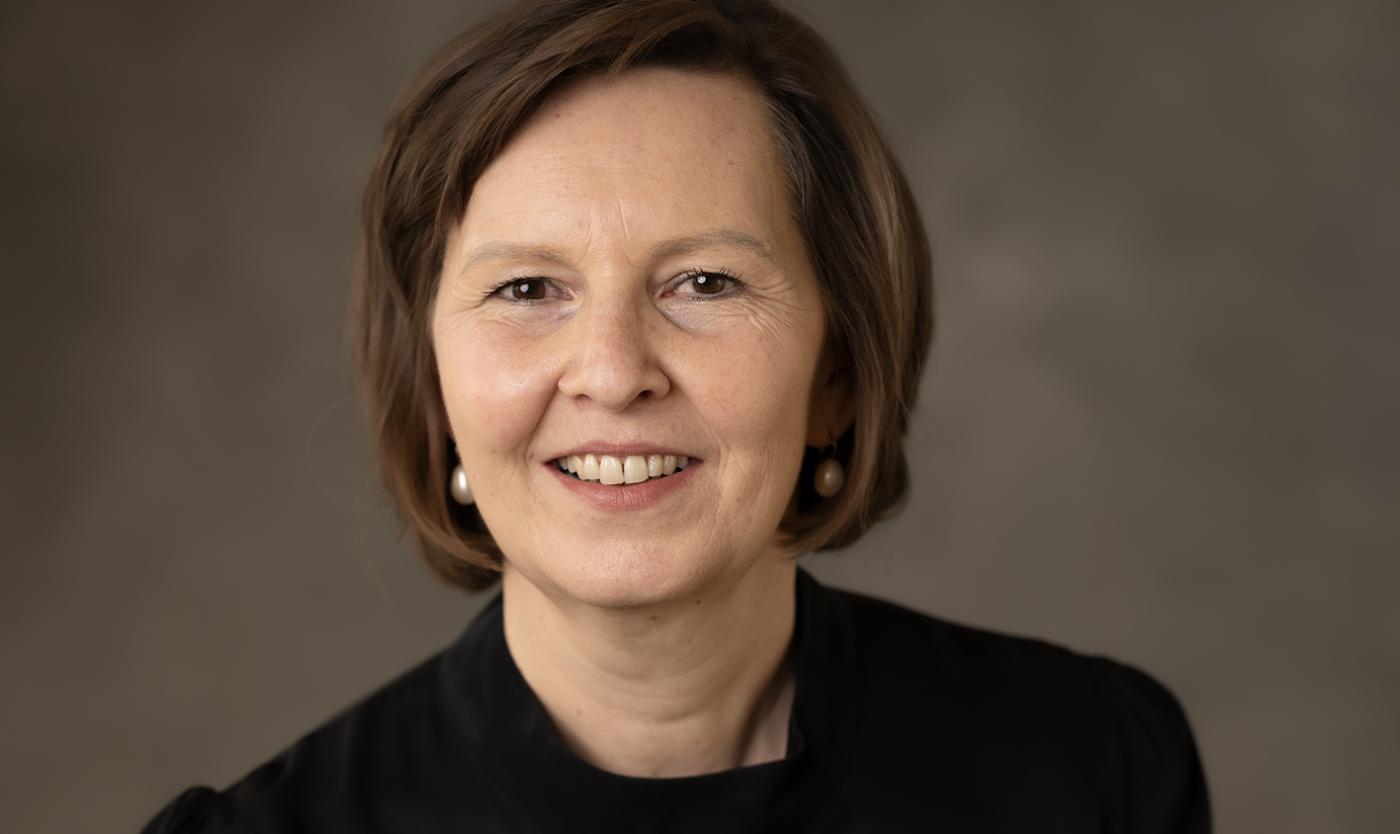
Sofie De Kimpe
Professor of Criminology
“Politics and public administration were part of daily life at home: my father was active in local politics, and my mother worked at the town hall. As a teenager, I believed that good policy could truly make a difference. At the same time, I was shaped by the 1980s and ’90s, a period when safety and violence were very visible in public life: the Brabant killers, the Heysel tragedy, fears of attacks, and later cases like Julie and Melissa. That era instilled in me a mixture of outrage and determination, and, frankly, a youthful conviction that I could help set things right.”
“It was during my studies in public administration that I first encountered criminology. For an assignment, I had to interview officers from both the national gendarmerie and local police, and I discovered just how far policy on paper can be from practice on the streets. What struck me most was the human side of organisations under extreme pressure. That is where my curiosity was firmly sparked.”
“Today, my work as a criminologist revolves around one central question: how does society respond to crime, and what role does the police play as the first and decisive link? The police act as a gateway into the criminal justice system. Once people enter that system, returning is often extremely difficult. In my research, I examine the police as a ‘gatekeeper’: how are decisions made on the street, who gets stopped or questioned, and what are the consequences?”
“Together with colleagues in the Crime & Society research group (CriS), we focus on the daily realities of police work and the relationship between officers and citizens. We conduct qualitative fieldwork: riding along on patrols, observing interactions, and speaking with police officers. At the same time, we listen to citizens who come into contact with the police, exploring how these experiences affect their trust in law enforcement.”
“This research is complex. I need the police to study the police. Building trust takes time, especially when the work exposes patterns that are less than flattering. It is often a balancing act: analysing rigorously and honestly, while communicating carefully so that doors remain open.”
“I dream of a police academy where science and policing work together to professionalise the job.”
“What I want to change is not the individual officer, but the system in which they operate. Institutional mechanisms and entrenched routines can mean that, despite good intentions, an organisation produces inequality or harm. Too many people still come into contact with the police unnecessarily. Far from everyone who is stopped or recorded is a criminal.”
“A pivotal moment in my career was research on identity checks among young people, conducted with my colleague Jenneke Christiaens. Young people who are repeatedly stopped carry that experience into their self-image and trust in government. It has stayed with me ever since. At the European level, this work contributed to the COST network, a research network spanning 27 countries. Groundbreaking was how recognisable the patterns were: across diverse contexts, identity checks are experienced in remarkably similar ways, revealing the same tensions between police, state, and citizens.”
“My vision for the future is very concrete: to reform police education. To achieve lasting change, it must start at recruitment and training. I dream of an academy where science and policing work hand in hand to professionalise the service. Beyond that, I want to contribute to measurable reductions in police racism. Fewer people unfairly targeted and increased trust—that is what real progress looks like to me.”
BIO
Sofie De Kimpe is Professor of Criminology and a member of the Crime & Society Research Group (CRiS) at VUB. Her research focuses on policing and the everyday practice of law enforcement. She studies topics such as police procedures (including identity checks), policing and surveillance policy, police education, institutional racism, and the impact of digitalisation on police work.
In a rapidly changing world, independent, science-based insights are indispensable. Sofie provides journalists and editorial teams with clear analysis and context on current issues, within her fields of expertise.
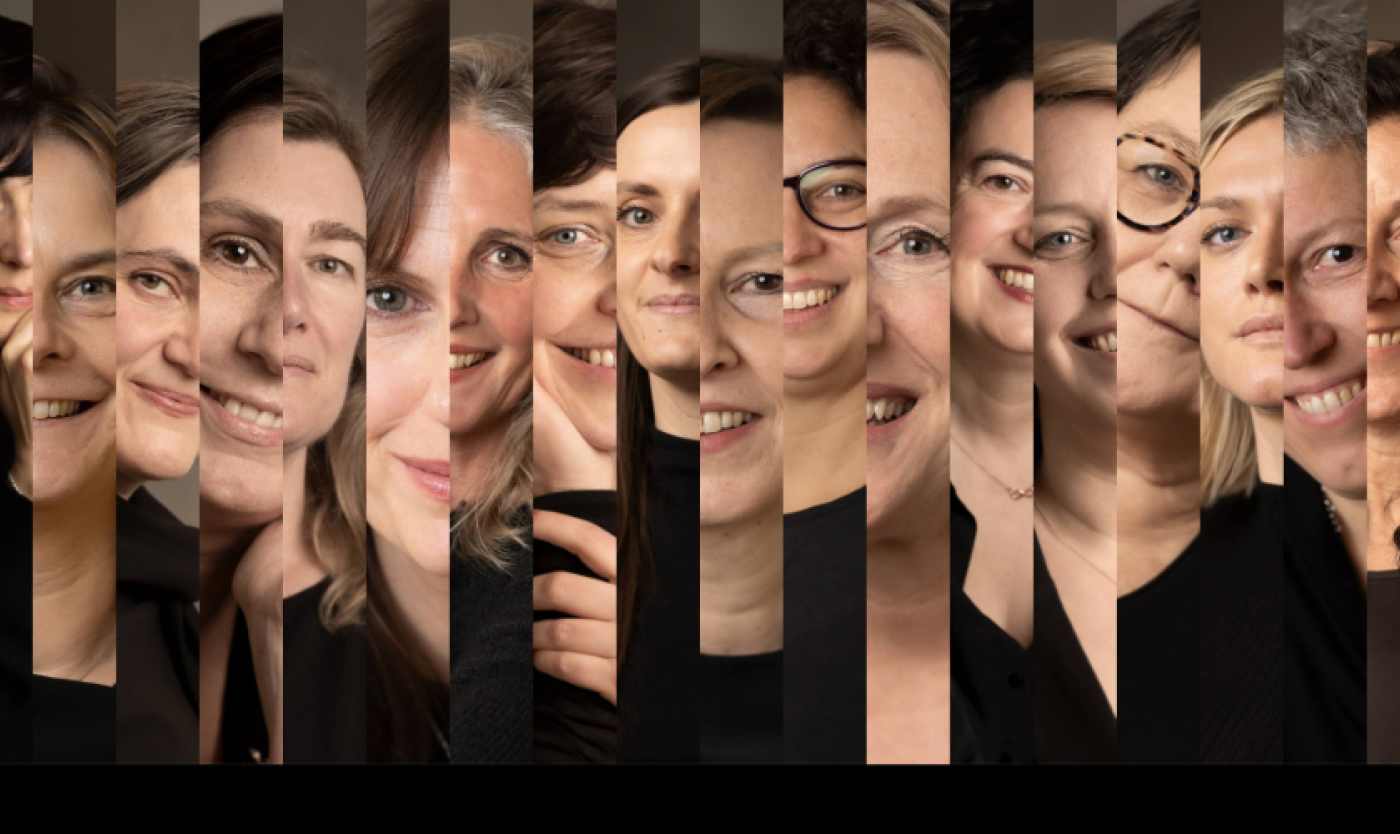
Women shaping science. You make it possible.
This campaign is more than a tribute. It is an invitation to reflect on the role of female scientists and on the obstacles they still face in fully realising their potential. But visibility alone is not enough. Women remain underrepresented in research, receive fewer opportunities, and encounter barriers more frequently throughout their academic careers.
With your donation, you help female researchers to continue their work, develop new insights and find solutions to the challenges of tomorrow.
