

“Communication is essential for human connection, and by unraveling the underlying neurological mechanisms after brain injury, I aim to contribute to better diagnostics, interventions, and ultimately, quality of life”
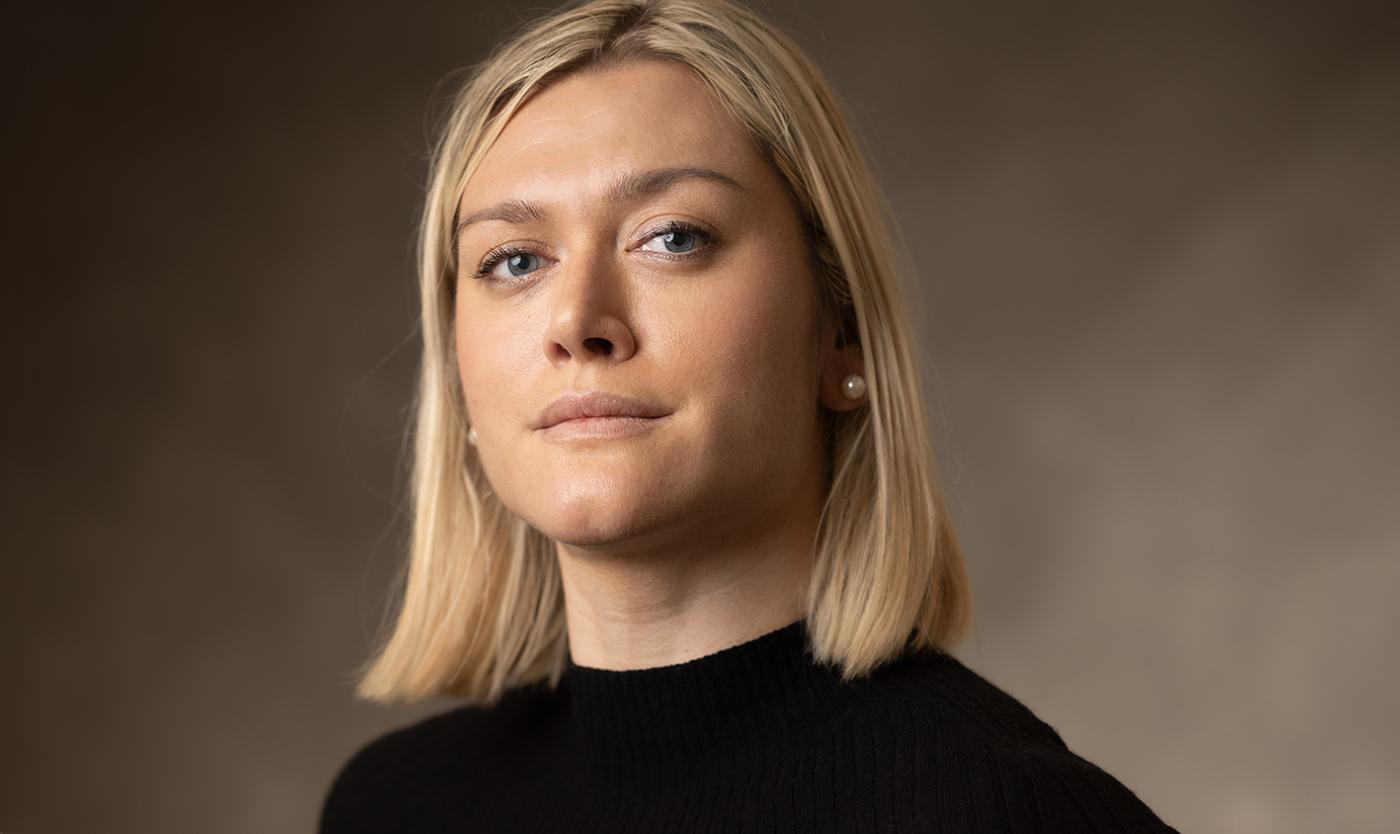
Stefanie Keulen
Professor of Neurolinguistics
“When I was in secondary school, my interests were all over the place. I loved languages, but I was also good at maths. I started studying law at VUB. I never doubted the university itself: despite the big difference with my home environment in Limburg, I immediately felt at home. After a year, however, I realised that law wasn’t what I was looking for intellectually, so I switched to Language and Literature. That felt like a breath of fresh air. Professors quickly noticed my curiosity. I wanted to look beyond the course materials and conduct my own research—and I was given the space to do so.
Neurolinguistics was introduced already in my first year. The combination of language and the brain fascinated me. I requested to take extra courses, such as biological psychology and human anatomy & physiology. For the first time, I felt a sense of calm: I had found my passion, and I knew I wanted to pursue research.
Today my work in neurolinguistics focuses on two main areas: speech and language. These terms are often used interchangeably, but they refer to different processes. For example, people who stutter struggle with articulation but can produce grammatically correct sentences. Language disorders, such as aphasia, affect the language system itself.
In the domain of speech, we study phenomena such as Foreign Accent Syndrome, where individuals speak with what sounds like a foreign accent, even though it is not their native language. In the language domain, we focus on aphasia, in particular primary progressive aphasia—the condition actor Bruce Willis has. I also coordinate an international research network around this topic.
“I pay particular attention to unusual clinical cases, patients with rare disorders who have nowhere else to turn.”
I aim to make an impact on multiple levels. In teaching, I try to inspire students about neurolinguistics and help them understand disorders such as dyslexia, dysgraphia, and other speech and language impairments they may encounter as teachers or professionals. Many students tell me that they continue to use this knowledge years later, which I find incredibly rewarding.
Through research, we aim to understand how language and speech are embedded in the brain, and which therapies can help those with speech and language disorders. I place particular emphasis on unusual clinical cases. I regularly receive emails from patients with rare conditions such as Foreign Accent Syndrome, who have nowhere else to turn. By sharing our findings with colleagues, I hope our knowledge can reach more people.
In recent years, several forms of recognition have followed quickly. I received the award for the best doctorate in the Humanities at VUB and was appointed EFL Chair (Empirical Foundations of Linguistics) in Paris—a gratifying acknowledgment for a professor with a relatively young career.
Looking ahead, I hope to continue meeting highly motivated students and to further develop our research within the Brussels Centre for Language Studies (BCLS) alongside them. I draw inspiration from those around me: my parents, my husband, my supervisors, colleagues, and young researchers. A warm, supportive environment makes all the difference—in research, teaching, and life.”
BIO
Stefanie Keulen is Professor of Neurolinguistics at the Vrije Universiteit Brussel and affiliated with the Brussels Centre for Language Studies (BCLS). Her research focuses on the relationship between language and the brain, with particular emphasis on neurological speech and language disorders such as Foreign Accent Syndrome and primary progressive aphasia. She combines fundamental neurolinguistic research with clinical applications and teaches courses in research methodology and neurolinguistics.
In a rapidly changing world, independent, science-based insights are indispensable. Stefanie provides journalists and editorial teams with clear analysis and context on current issues, within her fields of expertise.
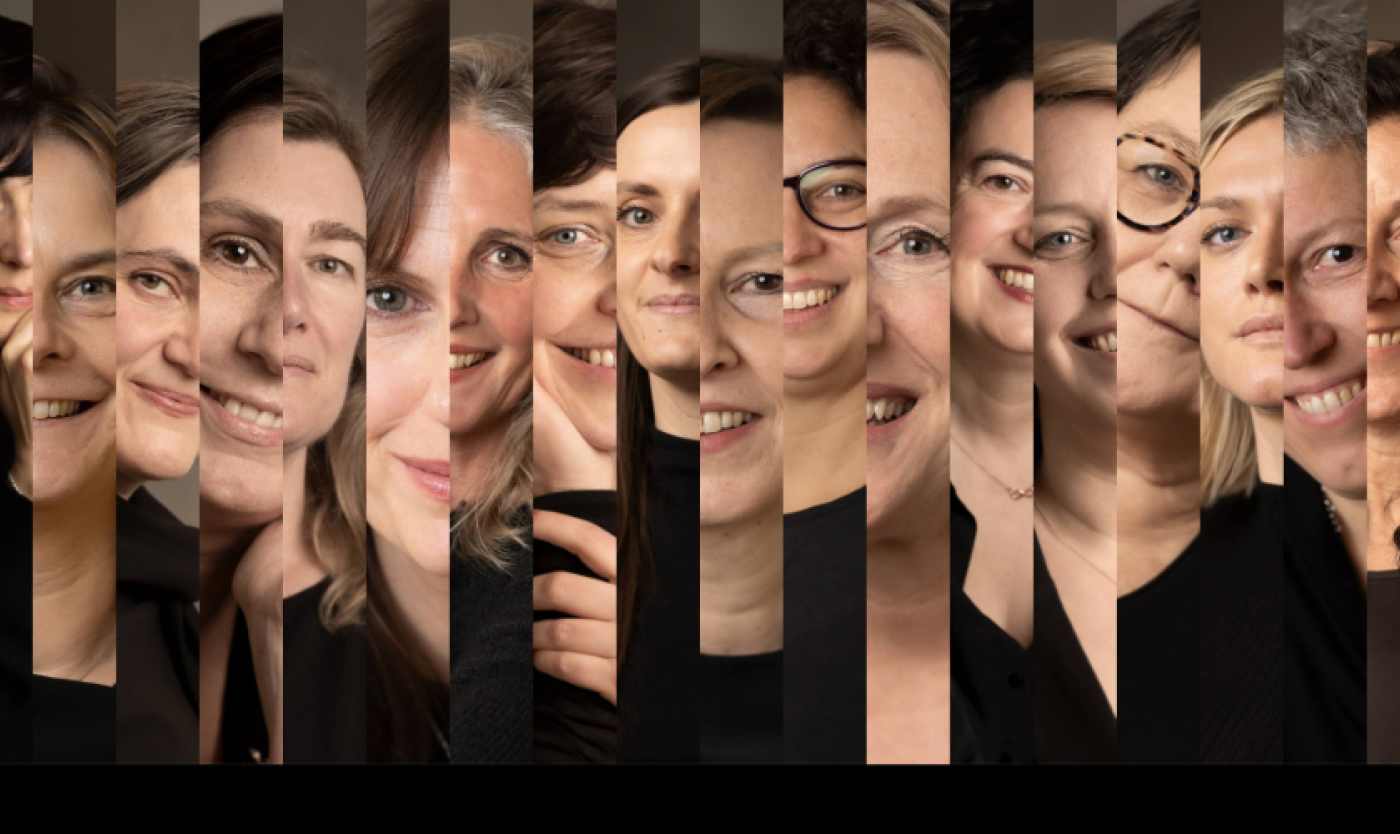
Women shaping science. You make it possible.
This campaign is more than a tribute. It is an invitation to reflect on the role of female scientists and on the obstacles they still face in fully realising their potential. But visibility alone is not enough. Women remain underrepresented in research, receive fewer opportunities, and encounter barriers more frequently throughout their academic careers.
With your donation, you help female researchers to continue their work, develop new insights and find solutions to the challenges of tomorrow.
