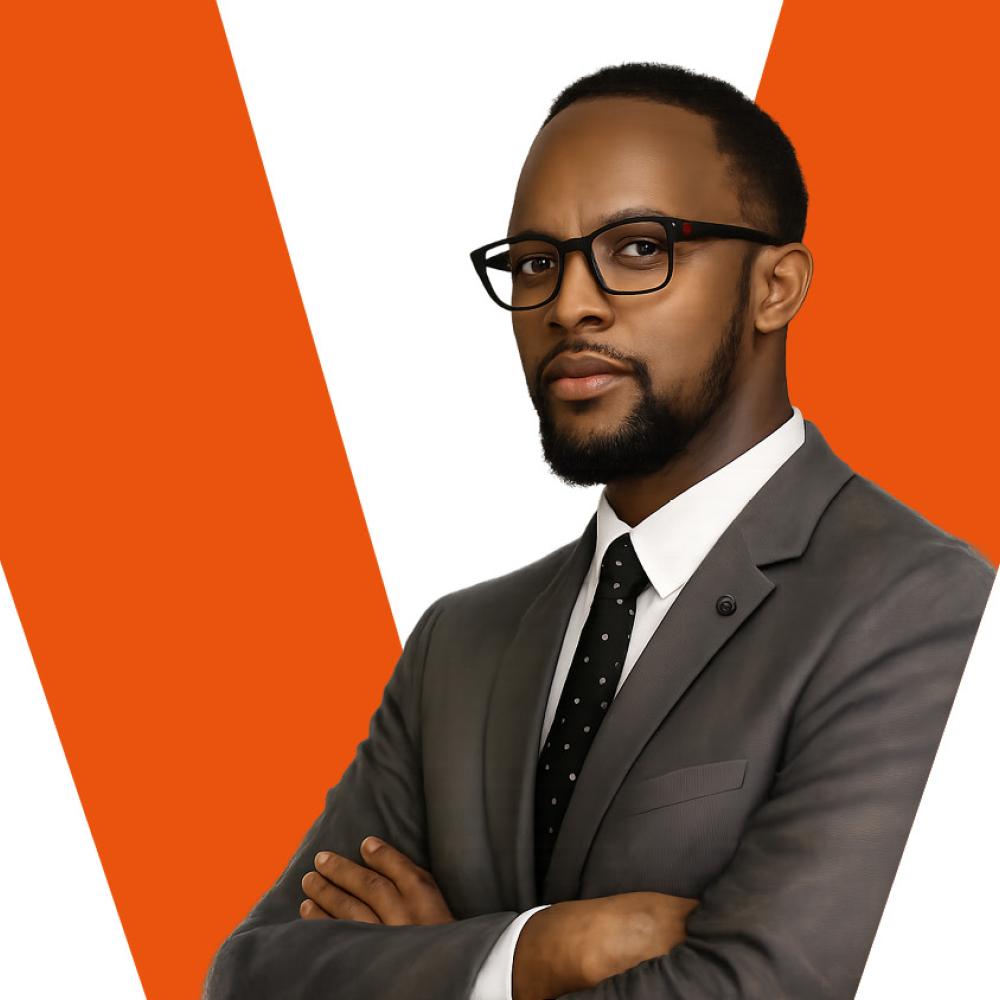
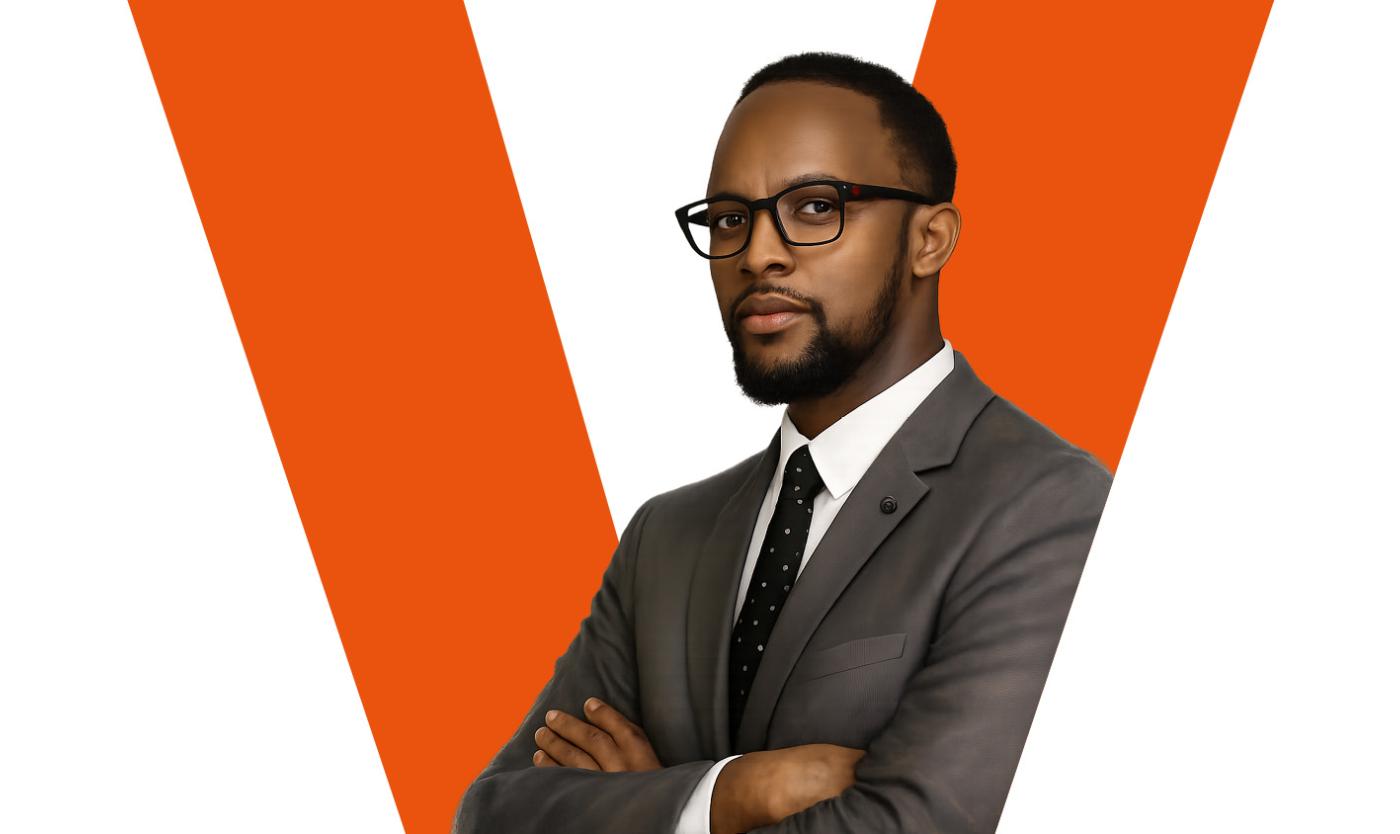
Samuel Baker Byansi is a Rwandan investigative journalist, press freedom activist and human rights defender. He focuses on investigative reporting on human rights violations, LGBTIQ+ rights and public interest litigation, particularly cases challenging laws that restrict press freedom and freedom of expression. He fled Rwanda in search of a safe environment in which to continue his work. In his book From Watchdog to Traitors: The Less You Know, The More You Believe, he examines the media sector in Rwanda. Byansi is a co-founder of Unité M28, which provides training, mentorship and collaboration opportunities for aspiring journalists in sub-Saharan Africa.
Laureate Difference Day Honorary Title for Freedom of Expression 2025
The genocide against the Tutsi in 1994 profoundly shaped the career of Rwandan author and investigative journalist Samuel Baker Byansi. He witnessed how information was manipulated to serve political interests and silence dissenting voices. Since then, he has come to believe that good journalism must uphold truth and hold power to account. For Byansi, journalism is not merely a profession but a calling that demands courage, integrity and an unwavering commitment to truth over neutrality. He himself was intimidated, censored, threatened, prosecuted, arrested and tortured. In 2024, Reporters Without Borders ranked Rwanda 144th out of 180 countries in the World Press Freedom Index.
Rwanda under Kagame’s rule is often praised internationally as a miracle, a post-genocide success story. The gleaming streets of Kigali, technological initiatives and economic growth figures dominate the international narrative. Yet behind this polished image lies a darker reality: one in which fear is not only present but official policy, where surveillance is normalised and silence has become a survival strategy. Kizito Mihigo composed songs calling for reconciliation; he died under suspicious circumstances in police custody. Paul Rusesabagina spoke out, was abducted in Dubai and sentenced to 25 years in prison. Journalist and poet Innocent Bahati disappeared without trace. Opposition leader Boniface Twagirimana vanished from his prison cell. Politician Diane Rwigara faced intimidation, imprisonment and a dubious trial after announcing her candidacy for the presidency. Journalist John Williams Ntwali’s suspicious death followed his reporting on abuses by the Kagame regime. These are not isolated incidents; they represent a systematic elimination of dissenting voices. In today’s Rwanda, expressing an opinion can cost you your job, your freedom or your life. Opposition figures face arbitrary detention, fabricated charges and torture. Journalists work under the constant threat of prosecution based on vague laws. Human rights defenders are labelled traitors. Even in exile, Rwandans live with the knowledge that the reach of the regime extends far beyond the country’s borders. In neighbouring Congo, an estimated six million people have died in conflicts in which Kagame’s regime has played a role. The recent resurgence of the M23 rebels—responsible for atrocities, war crimes and the displacement of millions—has repeatedly been linked by UN experts and human rights organisations to direct support from Kigali. Villages are burned to the ground, children are recruited into armed groups, and women are abused.
The hard truth is that the international community not only overlooks these abuses, it enables them. Western governments funnel billions into Kagame’s regime with minimal human rights conditions. International organisations showcase Rwanda’s economic statistics while ignoring political prisoners. Development experts praise Rwanda’s clean streets while turning a blind eye to the blood beneath them. This silence is complicity disguised as diplomacy. Rwanda deserves leaders who do not fear the voices of their own people. And it deserves an international community that upholds human rights everywhere, not only where it is convenient. Byansi calls for concrete action. “To international donors financing the Kagame regime: implement human rights conditions in your aid programmes. To media organisations: challenge the polished narrative, investigate disappearances and report on political prisoners and human rights abuses. Give a voice to those who cannot speak. To academic institutions: collaborate with exiled Rwandan scholars, document abuses, preserve testimonies and create safe spaces for dialogue that cannot take place in Rwanda. To policymakers: investigate arms sales to Rwanda. Impose targeted sanctions on officials responsible for abuses and support regional peace initiatives that address root causes rather than symptoms.”
Freedom of expression is not a Western ideal. According to Byansi, it is a right—a lifeline. It is the difference between dictatorship and democracy, between fear and dignity. Samuel Baker Byansi accepts the Honorary Title not as a reward, but as a responsibility to continue speaking out. He calls on academics, journalists, students and citizens to raise their voices as well: to support those who are silenced and never to confuse silence with peace, or stability with justice. “To quote Holocaust survivor Elie Wiesel: We must take sides. Neutrality helps the oppressor, never the victim. Silence encourages the tormentor, never the tormented.”
Sources: Acceptance speech, Difference Day 2025; interview with VUB Today.