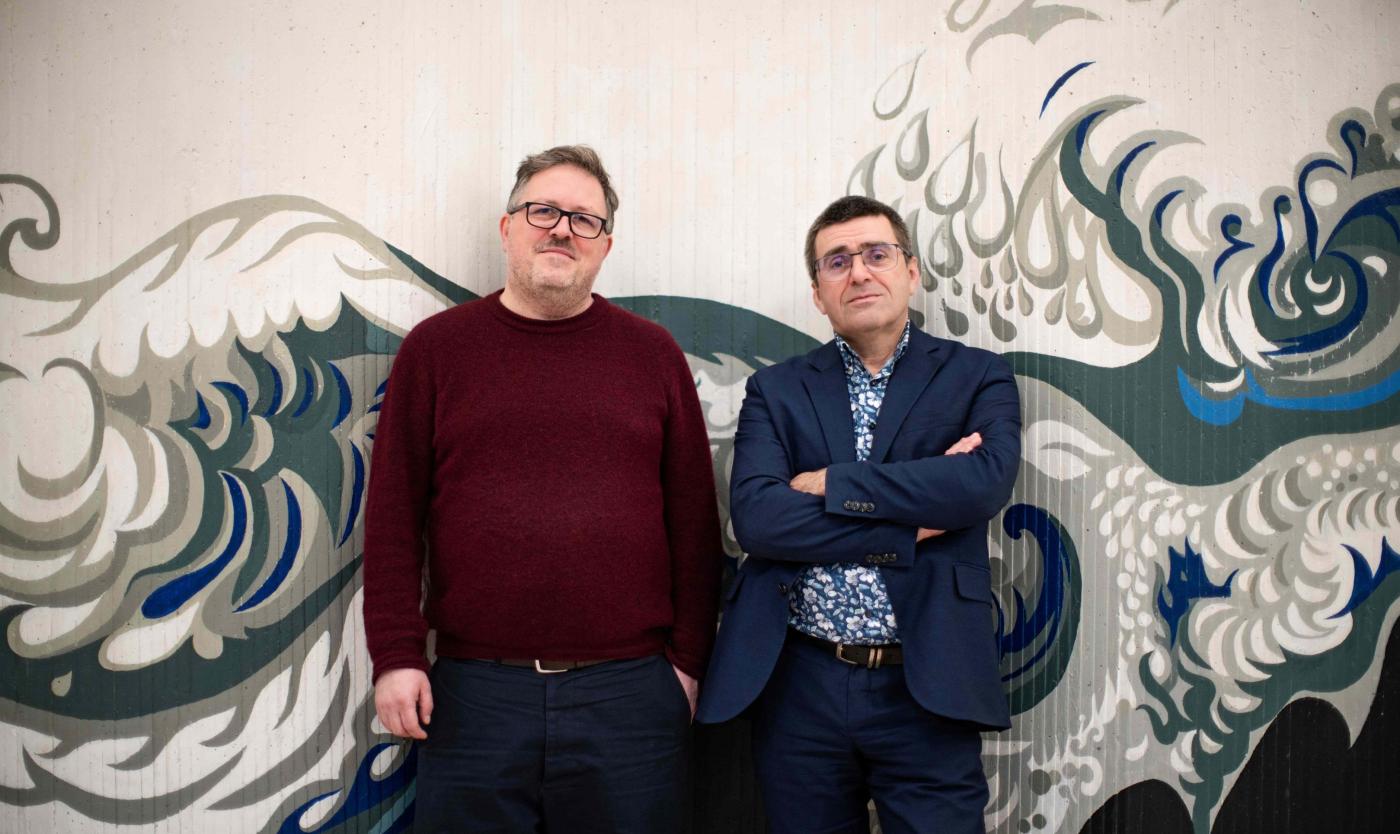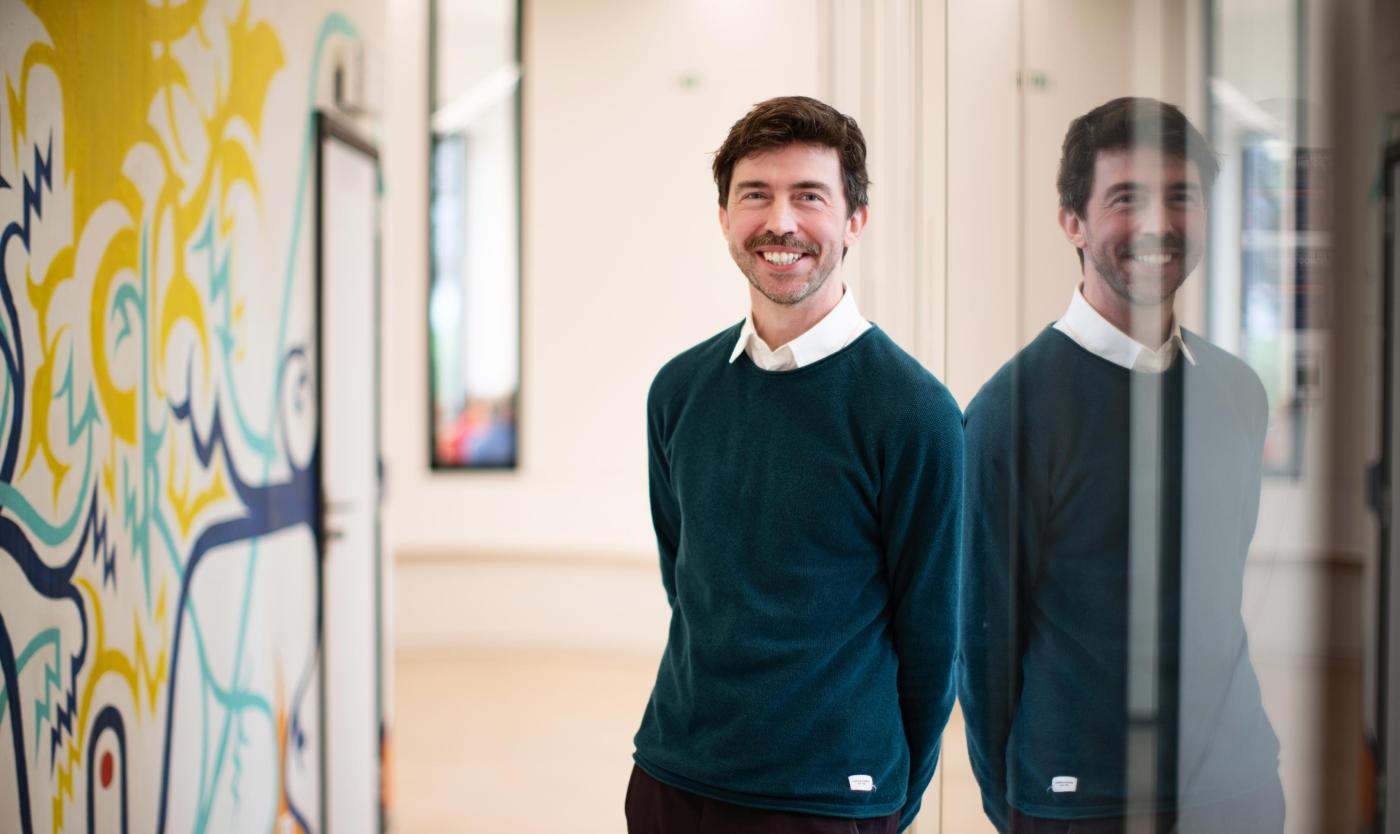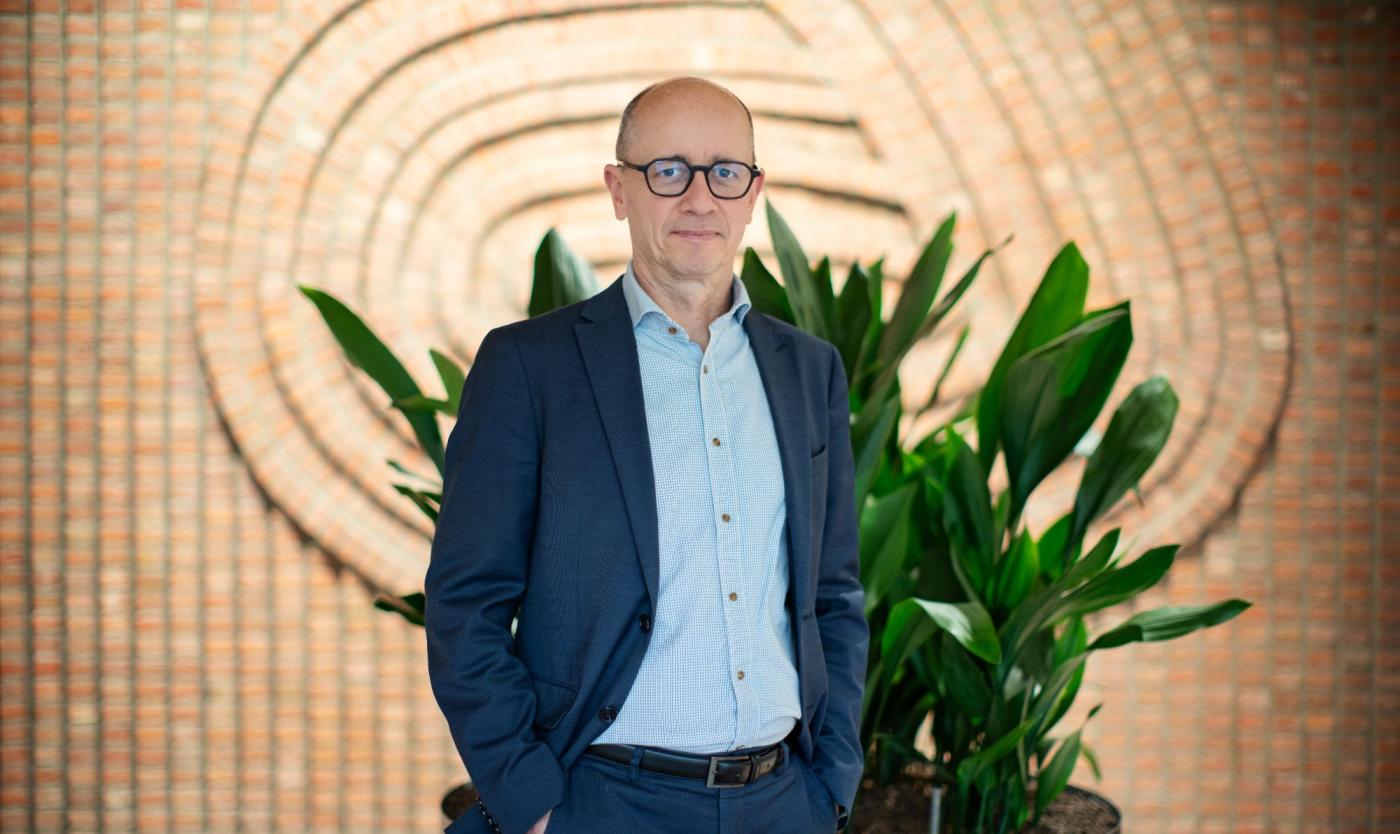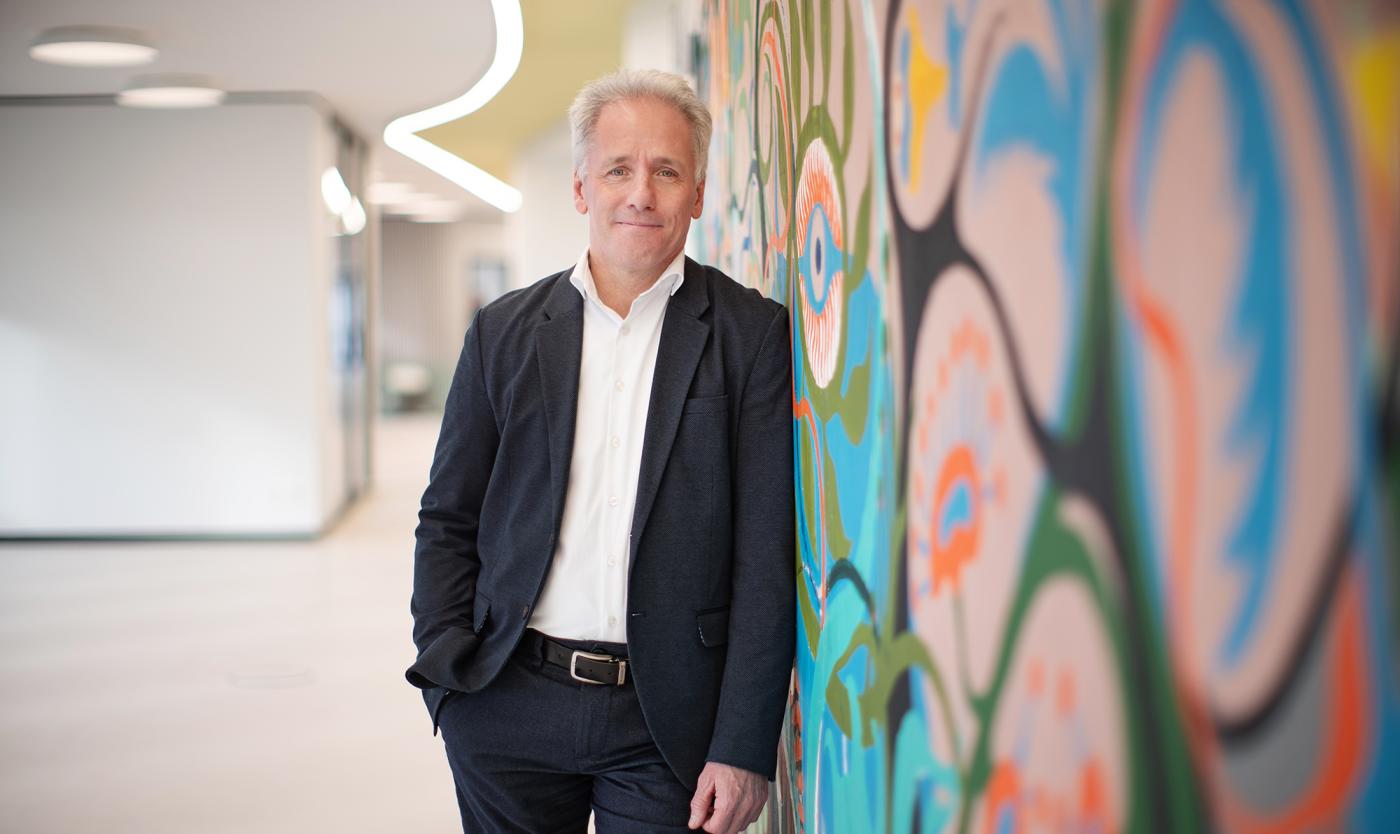



Elisabeth Rabaey, Head of the VUB Foundation, sees the need for funding from the Foundation continuing to grow. Alumni remain generous in their donations, but fundraising among companies has become more challenging in the current financial crisis. Above all, she is proud of her team’s human approach: “If someone wants to include the VUB in their will, we visit them personally. We receive a great deal of recognition and gratitude for that.”
Why are the funds of the VUB Foundation so important today?
“For many areas of research – and especially research that involves a great deal of trial and error – there is simply not enough funding available. When researchers apply to funding bodies, they are required to submit a very strict plan from which it is difficult to deviate. Income from the Foundation, which comes from legacies, donations and sponsorship, gives researchers far more freedom. It allows them to make new discoveries during their research, sometimes even by chance, which can ultimately lead to major breakthroughs with a huge impact on society. Funds raised through the Foundation are therefore important not only because public funding is insufficient, but also because this type of funding gives researchers an exceptional degree of freedom.”
You have been operating for 13 years. Has the need for funding changed in recent years?
“In the past, we mainly raised funds for research. Today, we also raise money for education. With the announced budget cuts, there is a risk that some courses may be scrapped, and we want to see whether we can step in there. There is also a need for funding to promote the identity and values of the VUB through the Pauwels Academy of Critical Thinking (PACT). In addition, and especially since the pandemic, we have a very vulnerable student population: 25% of our students receive a study grant. For them, the late Rector Caroline Pauwels set up the Student Emergency Fund, for which we also raise money. Finally, we also bring in funds for the VUB’s heritage. For example, we financed the restoration of the wall paintings in the Braem Building. So the need is greater, and also much more diverse.”
Can you help everyone who comes to you with a funding request?
“We are a team of five at the Foundation, so unfortunately we do not have the capacity to say ‘yes’ to everything. Not every topic is suitable for fundraising either. We always ask ourselves whether a project will resonate with our donors. That sadly means that for some faculties or topics it is much harder than for others. Some themes – even if they are very present in society – feel less urgent to donors than, for example, cancer research or support for vulnerable students.”
You raise funds through legacies as well. Cancer research is also ‘popular’ there. In 2022, €1.7 million from legacies went to cancer research – a substantial sum.
“We are in a situation where financial need is high. From a policy perspective, since 2019 we have chosen to allocate the funds immediately to the projects specified in the legacy. Proceeds from legacies earmarked for cancer research are awarded as co-financing to research projects and programmes that have been evaluated and approved through peer review. This acts as a lever for increasing the societal impact of the research.”
Who are these donors, actually?
“They are often alumni who feel a strong connection with the university. We see particularly strong solidarity when it comes to the Caroline Pauwels Student Emergency Fund. Alumni feel it is important to give the next generation the opportunities they themselves once had. But with the Yamina Krossa Fund for breast cancer research, which supports the research of Professor Damya Laoui, for instance, we notice that many donations come from the Antwerp region, where Yamina lives. Yamina herself is not an alumna, but she has a big heart for the VUB.”
Is it becoming harder to raise funds?
“Not among alumni. Even though the tax deduction for donations in personal income tax is likely to be reduced this year from 45% to 30%, they continue to give. That shows that the tax certificate is not the main driver. However, 50% of our donations come from companies, and there it is becoming more difficult. The financial crisis is clearly being felt: approval procedures often drag on, and fewer large amounts are being donated. As Head of the Foundation, corporate partnerships are something I want to focus on more, such as company-funded endowed chairs. We have brought some new people into the team who will concentrate on this. On the one hand, we will inform researchers about the benefits; on the other, we will also reach out to companies. For them too, this kind of sponsorship has many advantages. It is not only fiscally attractive: as a company, you are put in direct contact with an academically independent institution conducting research in a field in which the company itself is often very active. That gives them a front-row seat when it comes to research results. Sometimes their data can also be used for research. Finally, by aligning themselves with the VUB and funding research, companies gain greater visibility and can strengthen their corporate social responsibility.”
You have also launched a new action platform – a website where people can register fundraising initiatives linked to a specific fund. Is it working?
“The platform allows donors to track how much money they are raising. It also makes it easy for them to share their initiative within their own network. Many organisations have such a platform, so we decided to follow suit. But what we really see is that the more active you are, the more funds you raise. We have, for example, a grandfather whose grandson has Duchenne muscular dystrophy. Every year he goes on a cycling trip and shares his adventures on social media. That kind of initiative really resonates.”
You have been Head of the Foundation for two years. What are you personally most satisfied with?
“I am very proud of our work around legacies, and of the way we approach and support people who wish to include the VUB in their will. If someone wants to do that, we visit them personally and explain the different options, so that they are well prepared when they go to their notary. The effect will only be felt in the long term – hopefully those people will all live for many years to come – but we receive a great deal of recognition and gratitude for this approach. I very much hope we can continue to preserve that personal contact with our donors.”
Professor of Strategy and Infrastructure Elvira Haezendonck (Solvay Business School) set up three endowed chairs in 2024 focusing on infrastructure, ports and the circular economy.
“The Circular Port Monitoring in Flanders Chair supports Flemish seaports in measuring and improving their circular economy efforts. I had already been working on this topic for some time from a theoretical perspective. When both the ports and Flanders Circular expressed interest, this eventually led to the creation of an endowed chair.
The Agile & Future-proof Infrastructure for Transport (AFIT) Chair examines how we can make our infrastructure investments future-proof. Think, for example, of questions such as: how can we prepare our roads and inland waterways for autonomous driving and navigation? AFIT builds on earlier endowed chairs. Over the years, I have developed a network and a relationship of trust with many partners. I stay in close dialogue with them: what are their current concerns, and which research questions are on their agenda? It is often from these conversations that the theme for a new collaboration emerges.
The third chair, the VUB Masterclass Series in Ostend on Future-proof Leadership & Strategy, grew out of an earlier collaboration with the Port of Ostend. At their request, Professor Michel Maus and I brought academic executive education to Ostend. The first cohort has now received its certificate of participation. The chair has also led to even closer ties between our Rectorate, the city authorities and the port, which will result in the launch of a VUB hub in Ostend in 2026. An endowed chair therefore often not only has its roots in a relationship of trust built over time, but can also become the seed for broader developments within the university.
“The announced cuts to research funding mean that competitive research funding is becoming even more important. As long as independence from sponsors is guaranteed, this offers many opportunities. Beyond financial support, an endowed chair helps to narrow the gap between the private and public sectors. It brings the different parties around the table to work together on solutions to societal challenges. Thanks to this collaboration, research results also tend to find their way into the public domain more easily, as partners help to disseminate them. For our PhD researchers, such a chair is also extremely valuable: it allows them to see the real-world impact of their work. Moreover, the networks they build in this way improve their job prospects later on. Finally, partners are contractually co-responsible for providing reliable – and, crucially, sufficient – data. For AFIT, for example, we have built a database of social cost–benefit analyses for Flemish infrastructure projects. This too is highly valuable and significantly strengthens the research.”
Professor Nico De Witte is the academic coordinator of the Chair in Entrepreneurial Learning, a collaboration between the VUB and HOGENT, funded by Xerius.
“HOGENT and Xerius had already worked closely together in the past. After that collaboration came to an end, Xerius came forward with a clear question: how can we support self-employed people who run a business as a secondary occupation and want to make the transition to self-employment as their main activity? More and more entrepreneurs want to take that step, but many do not succeed. In earlier research, this group has received very little attention. Xerius therefore felt it was timely to explore how this group could be supported in a scientifically grounded way. This question can only be answered by bringing fundamental and practice-oriented research much closer together. That is how the structural collaboration between HOGENT’s E-lab, Xerius and the VUB came about, and how an endowed chair was established, with myself as academic coordinator and Professor Derre of HOGENT as chair holder. Xerius acts as the sponsor, while the PhD researcher is seconded from HOGENT. To the best of my knowledge, this chair represents the first structural collaboration between a university college and a university. The VUB’s fundamental research knowledge and methodological depth are thus combined with HOGENT’s practice-oriented, applied research approach, allowing theory and practice to reinforce one another.
Given the intense competition for research grants today, an endowed chair offers an attractive alternative for valorising scientific knowledge in full independence. However, such a chair does not come about overnight; it requires trust to be built over time. For Xerius, this represents a substantial investment. As a company, they carried out a risk analysis: will this investment pay off, and will the research results generate societal value? Their decision to come on board was driven by the credibility HOGENT has built up over the years in the field of entrepreneurial learning, combined with the VUB’s methodological expertise.
An endowed chair offers significant benefits for all partners involved. For the VUB, it brings an influx of knowledge and expertise in entrepreneurial learning, as well as the opportunity to supervise a PhD researcher who can devote four years to in-depth fundamental research on the topic. HOGENT, in turn, gains a newly qualified expert, with fundamental insights that can be directly applied in practice-based research, strengthening its applied research activities. In this way, the bridge between theory and practice is structurally embedded. For Xerius too, this remains a valuable partnership. As a leading partner for the self-employed and liberal professions in Belgium, they want to contribute actively to societal impact. Their involvement goes beyond attracting customers: they aim to stimulate entrepreneurship and, in doing so, create broader societal value.”